
HVAC Repair in Crystal Lake, IL
Homes here need heat from October through May and cooling from June through August. If your system quits, tell us what it's doing and a licensed contractor who covers McHenry County will get in touch.
Tell us about the job
It takes about a minute.
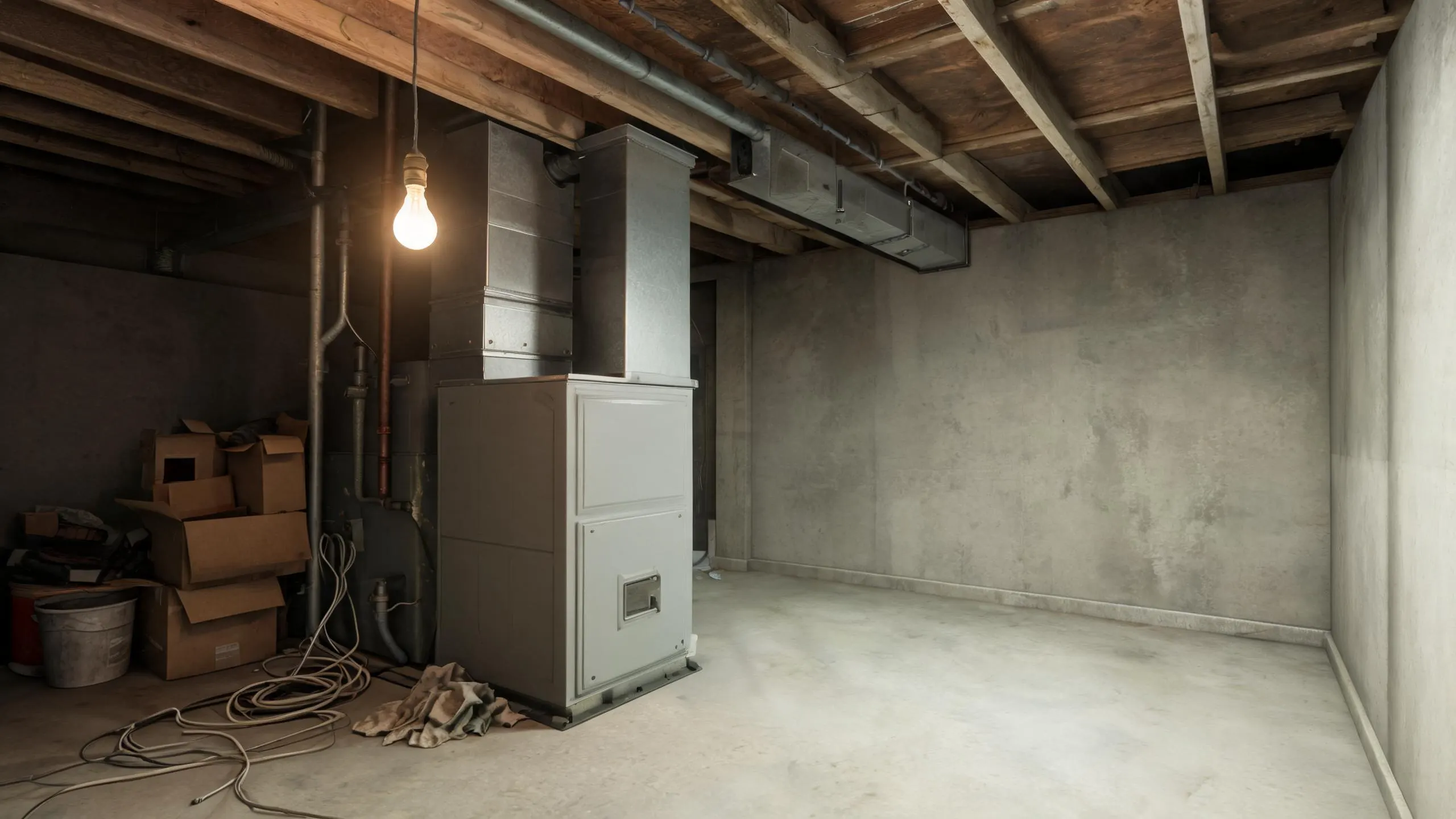
McHenry County asks a lot of your furnace, then your AC
Your furnace runs from October through May here, close to eight months a year. On winter nights averaging 17°F it cycles on and off for hours at a stretch, and every start puts strain on the igniter and the ignition control. Most homes here heat with gas, so that burner carries the load all winter.
Then summer hands the job to your AC, running through June and August against afternoons averaging 81°F. A capacitor or a condenser that has sat idle all winter has to work hard fast, and that is often where it gives out. McHenry County has seen 18 winter storms and 140 damaging wind events over the past ten years, and storms like that knock out power along with everything else. A system already worn from the seasonal swing can lose power or take a direct hit on top of it.
- 8 months
- October through May, your system heats
- 3 months
- June through August, it cools
- 17°F
- the average winter night it heats against
- 81°F
- the average summer afternoon it cools against
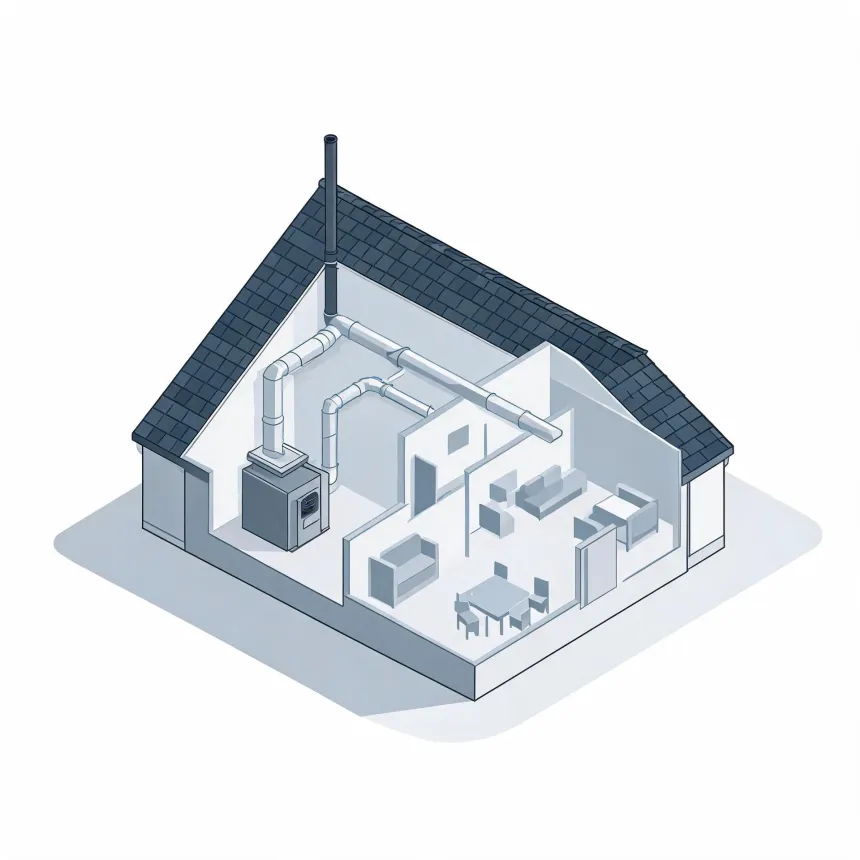
NOAA nClimDiv, 1991–2020 normals

A new furnace and air conditioner would cut about $170 a year off heating and cooling for a typical McHenry County home.
Estimates for a typical McHenry County home, compared with an older unit built to the previous federal minimum, from EIA household energy data, Illinois fuel prices and NOAA climate normals. Your home will differ.
Repair makes sense when one part has failed.
Replacement makes sense when the furnace's heat exchanger is cracked, the air conditioner's compressor has failed, or repairs keep coming.
In Illinois, HVAC licensing for homes is left to the cities and towns.
In McHenry County, whether a contractor needs a local license depends on which town the house sits in. Some cities and towns require HVAC contractors to hold a local license before working inside their limits, others do not. There is no statewide license or exam behind any contractor's name, and the county itself keeps no record of who is qualified.
On a heating and cooling repair, whatever protection exists comes from the town, not the state. Where a town licenses HVAC contractors, that local license is what stands behind the work. Where it does not, there is no record of the contractor at all, and the repair itself is the only evidence of how it was done.
Source: Illinois General Assembly
- Why is my heat not working?
- Most often it's the igniter or the flame sensor failing on a gas furnace. If the thermostat display is blank, check the breaker and the furnace switch first, since that's an easy fix. A furnace that runs but blows cold air can mean the gas valve isn't opening or the pilot went out. With winter nights here averaging 17°F, don't wait on this one. A contractor can tell you which part failed and whether it's worth fixing on an older unit.
- Why is my system running but not cooling the house?
- The fan is moving air but something between the coil and the room isn't working. A dirty air filter or a frozen evaporator coil are common causes, and both cut off airflow the same way. Low refrigerant from a leak will also leave the air feeling barely cool at all. Check the filter first since that's something you can do yourself. If the outdoor unit isn't running at all, that's a different problem, likely electrical or the compressor itself, and it needs a contractor to look at it.
- What can I check before calling for HVAC repair?
- Check the thermostat batteries and the setting first, since a dead battery or a mode switched to fan can look like a bigger problem. Check the breaker panel for a tripped breaker. Check the air filter and replace it if it's gray or clogged, since a blocked filter causes both heating and cooling problems. If the furnace has a flame sensor light or a blinking code on the control board, note what it shows before you call, since that tells the contractor where to start.