
HVAC Installation in Crystal Lake, IL
A new system here will heat from October through May and cool from June through August every year. Tell us about the house, and a licensed contractor who covers McHenry County will get in touch.
Tell us about the job
It takes about a minute.
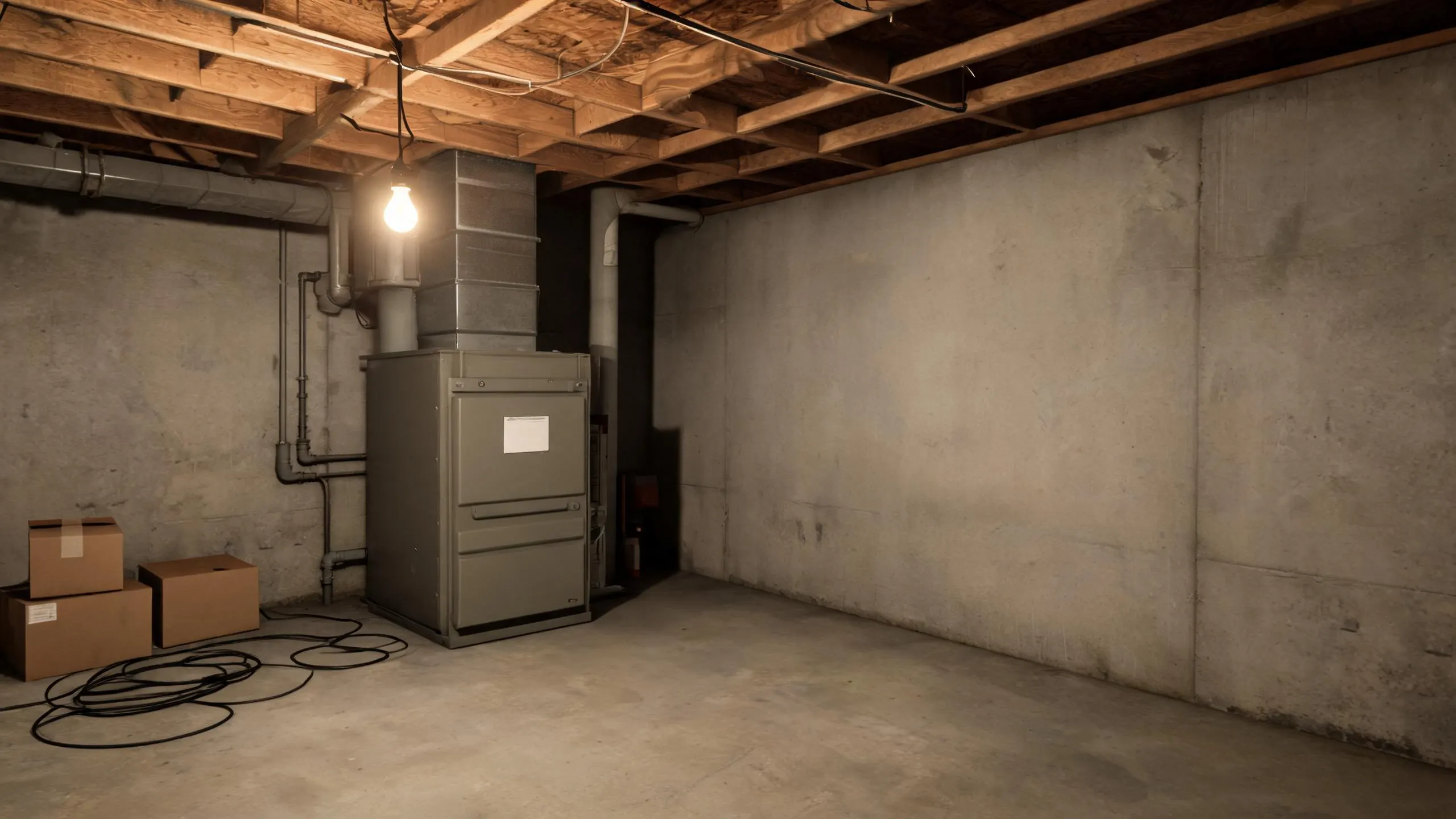
A new system here has eleven months of work ahead of it
Crystal Lake needs heat or cooling almost year round, eight months of furnace and three months of air conditioning. Winter nights average 17°F from December through February, and most homes here heat with gas. That means long stretches where the furnace is the only thing standing between the house and single-digit air. Summer asks less of the system, but 81°F afternoons in June through August still put real hours on the compressor.
A new furnace and air conditioner have to be sized for both ends of that range, not just the season you're replacing them in. And with 16% of Illinois households losing power for at least a day in 2024, and this area seeing 18 winter storms and 140 damaging wind events over the past ten years, it's worth asking how the new system handles a power interruption, especially in a county that sees this much winter weather.
- 8 months
- October through May, your system heats
- 3 months
- June through August, it cools
- 17°F
- the average winter night it heats against
- 81°F
- the average summer afternoon it cools against
NOAA nClimDiv, 1991–2020 normals
In Illinois, HVAC licensing for homes is left to the cities and towns.
McHenry County has no state license standing behind it. Whether an installer needs a local license or registration depends on the city or township where the house sits, since Illinois leaves that decision to local government.
What stands in for that here is the permit. Installing a furnace or air conditioner means running new gas, electrical, or both, and most local building offices require a permit for that work along with an inspection once it's done. The inspector checks the gas connection, the venting, and the wiring, which is the part of the job most likely to cause harm if it's wrong. That inspection is the check that exists here, and it is not a license.
Source: Illinois General Assembly
- When should I replace my HVAC system?
- Replace it when it's not keeping up, when the repairs keep coming, or when the unit is old enough that the next breakdown is a matter of when, not if. Homes here need heat from October through May, so a furnace that struggles to keep up is worth replacing before a 17°F night finds the weak spot. If a repair bill on an older unit is creeping close to what a new system would run, that money is usually better spent on the replacement. A contractor can look at the age and condition of your system and tell you which side of that line you're on.
- Should I replace my furnace and air conditioner at the same time?
- If they're close in age, yes, it usually makes sense to replace both together. A furnace and air conditioner installed at the same time tend to wear out around the same time, so replacing one alone often means paying for the other within a few years anyway. They also share the blower and ductwork, and a contractor can match a new furnace and coil so they work together properly. If your furnace and air conditioner were installed years apart, there's no reason to replace the newer one early just because the older one failed.
- What happens during an HVAC installation?
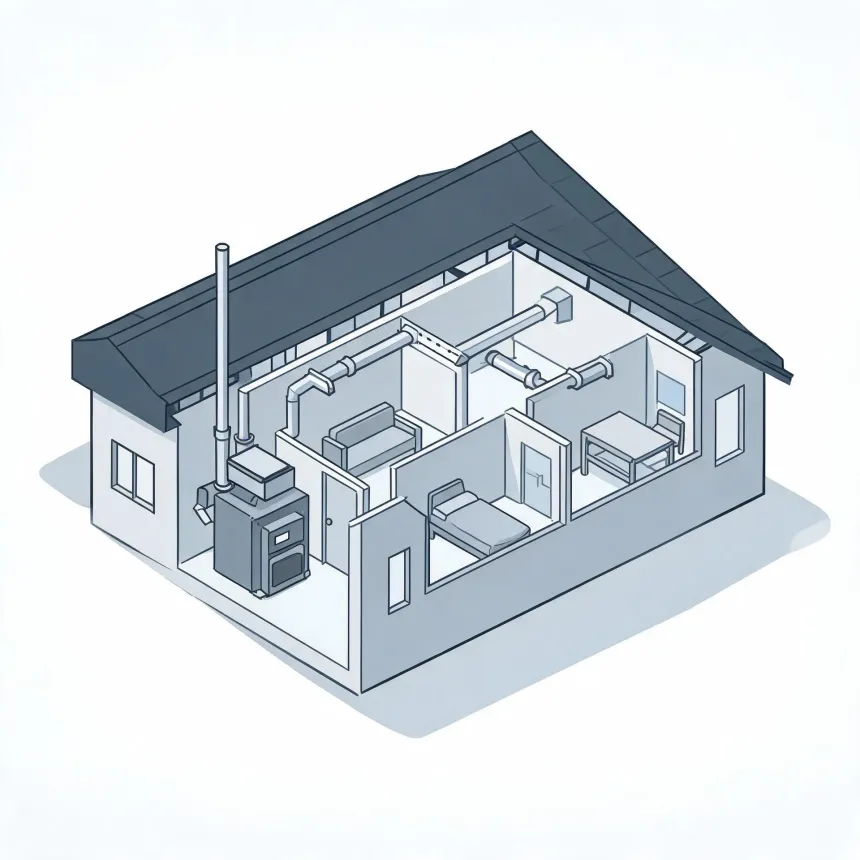
- A contractor removes the old furnace, air conditioner, or whichever unit is being replaced, and sets the new equipment in its place. That includes connecting it to the ductwork, running electrical and refrigerant lines where needed, and venting the furnace properly to the outside. Once it's in, the contractor tests it through a heating and cooling cycle, checks the airflow at the vents, and confirms the thermostat is talking to the new system correctly. The exact steps depend on what's being replaced and whether the ductwork or electrical setup needs any changes, so a contractor will walk you through what your installation involves before starting.