
Furnace Repair in Chicago, IL
Furnaces here run from October through May. If yours quits, tell us what it's doing and a licensed contractor who covers Cook County will get in touch.
Tell us about the job
It takes about a minute.

Eight months of heat wears on a furnace
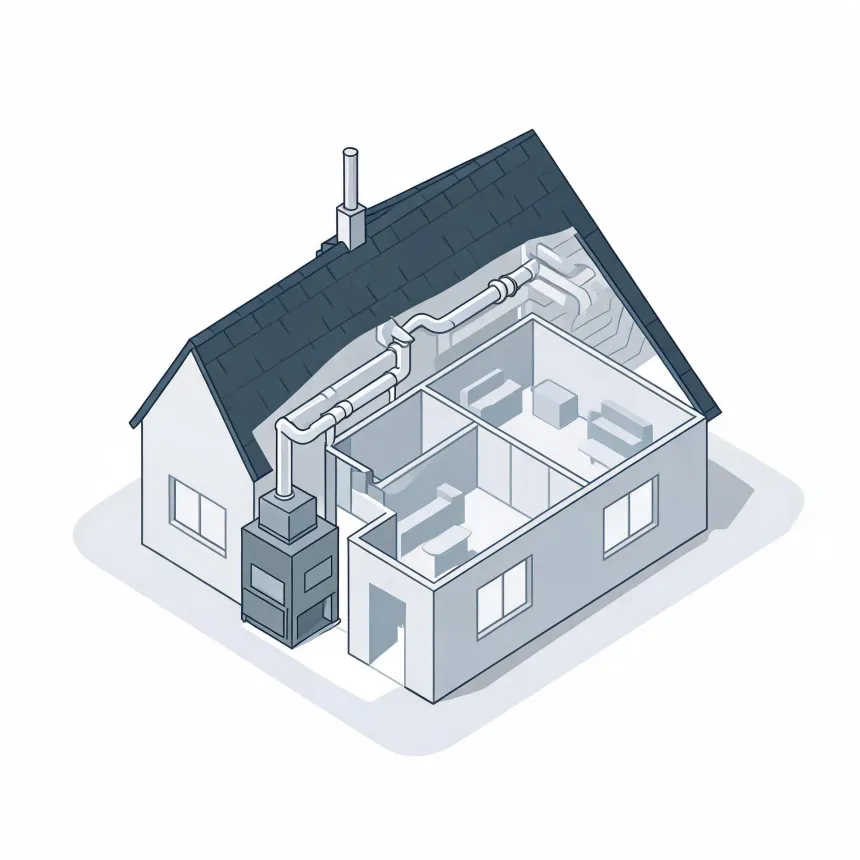
From October through May, your furnace is what stands between you and a 20 degree night. That is eight months of the burner lighting, running, and shutting off, over and over. Each cycle puts a little more wear on the igniter and the parts that control the flame, and by late winter those parts have been through a lot of them.
Most homes here heat with gas, so when the burner will not stay lit, there is no backup keeping the house warm. And a furnace still needs power to run its blower and controls. In 2024, 16 percent of Illinois households lost power for at least 24 hours. If that happens on one of the cold nights this county sees all winter, a furnace that would otherwise run just will not.
- 8 months
- October through May, your furnace is on duty
- 20°F
- the average winter night it heats against
- 80%
- of homes here heat with gas, so most furnaces here burn gas
- 20 winter storms
- in ten years, the nights a failure hurts most
NOAA nClimDiv, 1991–2020 normals
A new furnace would cut about $140 a year off heating for a typical Cook County home.
Estimates for a typical Cook County home, compared with an older unit built to the previous federal minimum, from EIA household energy data, Illinois fuel prices and NOAA climate normals. Your home will differ.
Repair makes sense when one part has failed and the heat exchanger is sound.
Replacement makes sense when the heat exchanger is cracked or the furnace keeps needing parts.
In Illinois, HVAC licensing for homes is left to the cities and towns.
In Cook County, whether a contractor needs to be licensed depends on the town. Some municipalities license and test HVAC contractors on their own, others don't require anything, and there's no state license standing behind any of it. Illinois leaves this to local governments, so the answer changes from one address to the next.
For a furnace repair, the gas connection is the part that matters most, since that's where a mistake turns dangerous. Whether anyone checks that connection depends on the rules your municipality has put in place, not on a state license, because Illinois doesn't have one to point to. In Cook County, 80.2% of homes heat with gas, so this is the piece of the job that carries the most weight here.
Source: Illinois General Assembly
- Why won't my furnace turn on?
- Start with the thermostat. Make sure it's set to heat and the set temperature is above room temperature, and check that it has power or fresh batteries. If the thermostat looks fine, check the furnace switch, the one that looks like a light switch near the unit, and make sure the furnace door is fully closed since most won't run with it open. Also check your breaker panel. If none of that gets it running, the igniter, the flame sensor, or the pressure switch may have failed, and a contractor can test those.
- Why is my furnace blowing cold air?
- If the air feels cold but isn't actually cold, it may just be cooler than body temperature, which is normal at the start of a heating cycle before the furnace warms up. If it stays cold the whole time it runs, check your air filter first, since a clogged one restricts airflow and can cause the furnace to overheat and shut off its burners while the blower keeps running. If the filter is clean and the air still isn't heating, the igniter or flame sensor may be failing, or the gas valve isn't opening. With winter lows here averaging 20°F, a furnace that only blows cold air needs attention quickly.
- Why won't my furnace pilot light stay lit?
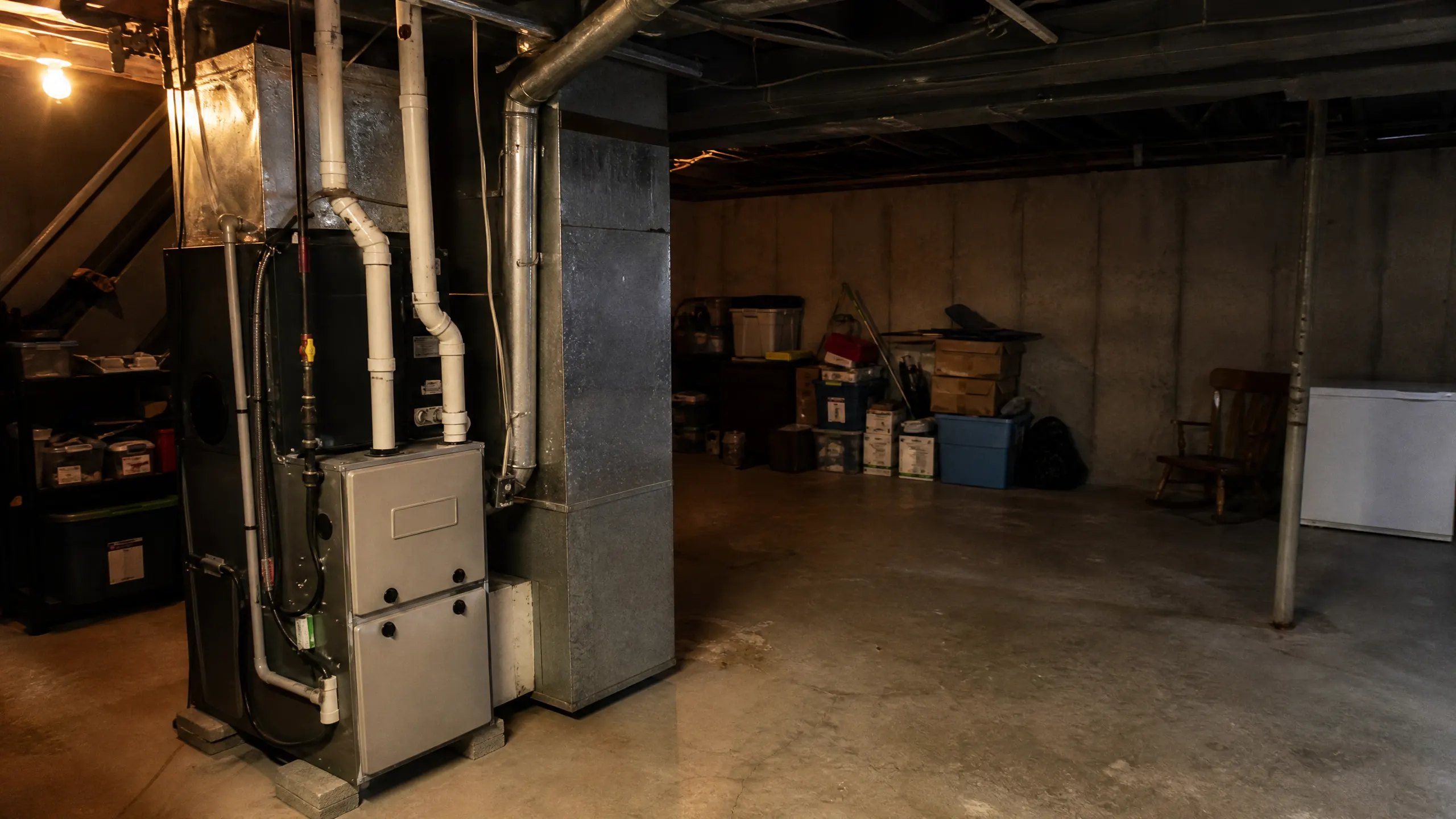
- This usually means the thermocouple has worn out. It's the small sensor that sits in the pilot flame and tells the gas valve the flame is lit. Once it fails, the valve shuts off the gas as a safety measure even though the pilot was burning fine a moment before. A draft blowing out the flame or a dirty pilot orifice can cause the same problem. Most newer furnaces use an electronic igniter instead of a standing pilot, so if yours has a pilot light, it's likely an older unit, and a contractor can tell you whether the thermocouple just needs replacing.