
Furnace Repair in Naperville, IL
Furnaces here run from October through May. If yours quits, tell us what it's doing and a licensed contractor who covers DuPage County will get in touch.
Tell us about the job
It takes about a minute.
DuPage County winters run your furnace hard
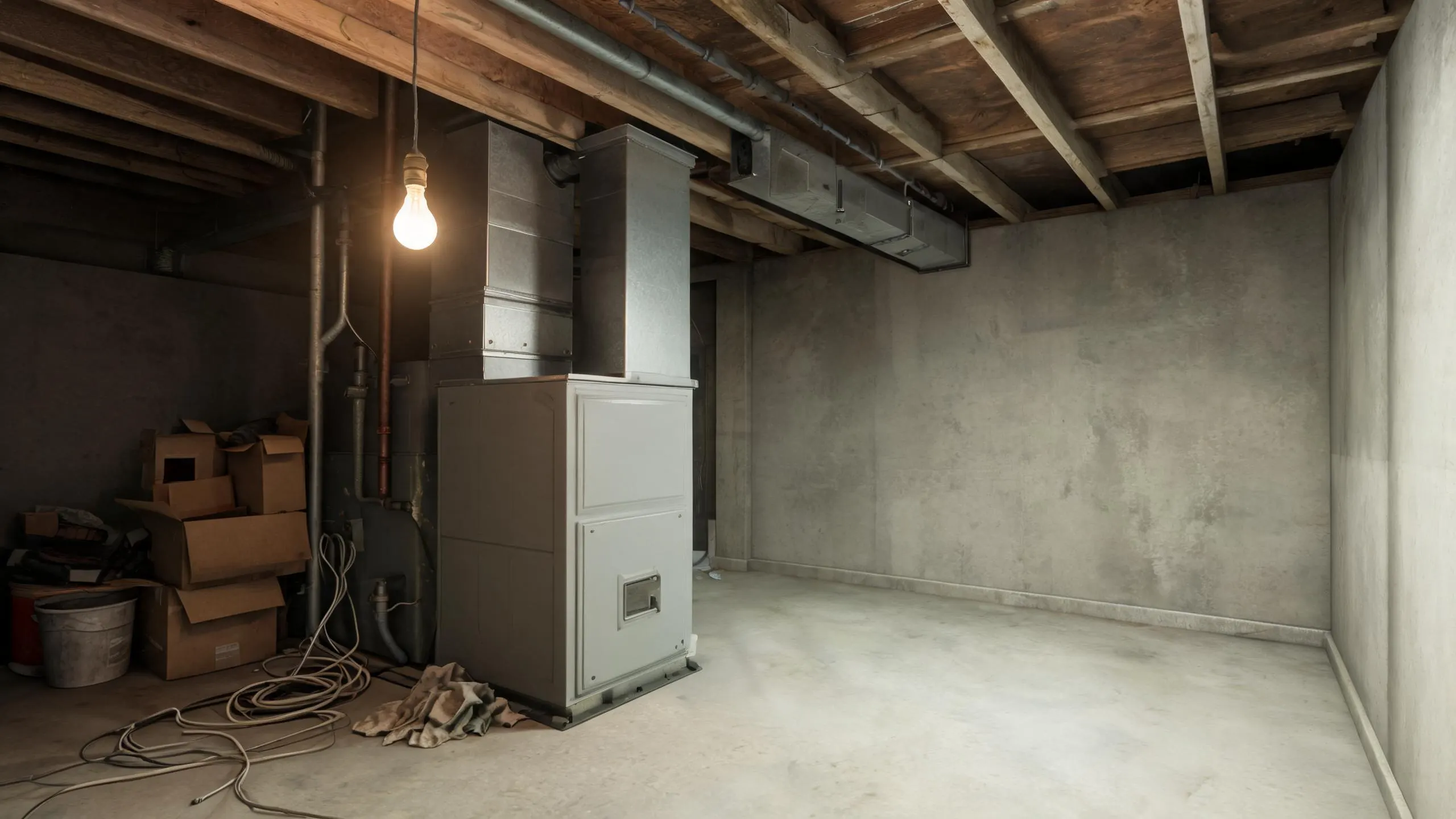
From October through May, your furnace is what keeps the house livable. That is eight months of the year, and on the coldest nights it is fighting against lows near 19°F. To hold the house at temperature, the burner is cycling on and off for hours at a stretch, and every one of those starts puts wear on the igniter.
Most homes here heat with gas, so when the furnace stops working, there is no backup warming the house. That matters more when the power is unreliable. Illinois saw 16% of households lose power for at least 24 hours in 2024, and DuPage County has logged 15 winter storms and 180 damaging wind events over the past ten years. A furnace that was already struggling has less room to recover once the power comes back on.
- 8 months
- October through May, your furnace is on duty
- 19°F
- the average winter night it heats against
- 83%
- of homes here heat with gas, so most furnaces here burn gas
- 15 winter storms
- in ten years, the nights a failure hurts most
NOAA nClimDiv, 1991–2020 normals

A new furnace would cut about $150 a year off heating for a typical DuPage County home.
Estimates for a typical DuPage County home, compared with an older unit built to the previous federal minimum, from EIA household energy data, Illinois fuel prices and NOAA climate normals. Your home will differ.
Repair makes sense when one part has failed and the heat exchanger is sound.
Replacement makes sense when the heat exchanger is cracked or the furnace keeps needing parts.
In Illinois, HVAC licensing for homes is left to the cities and towns.
That means DuPage County does not set one rule for every house in it. Whether a contractor needs a local license depends on which town the house sits in. Some municipalities require one before a contractor can work there. Others have none, and the choice of who to hire is left entirely to the homeowner. There is no state exam or state record behind any of this, so whatever protection exists comes from the town's ordinance, not from the state.
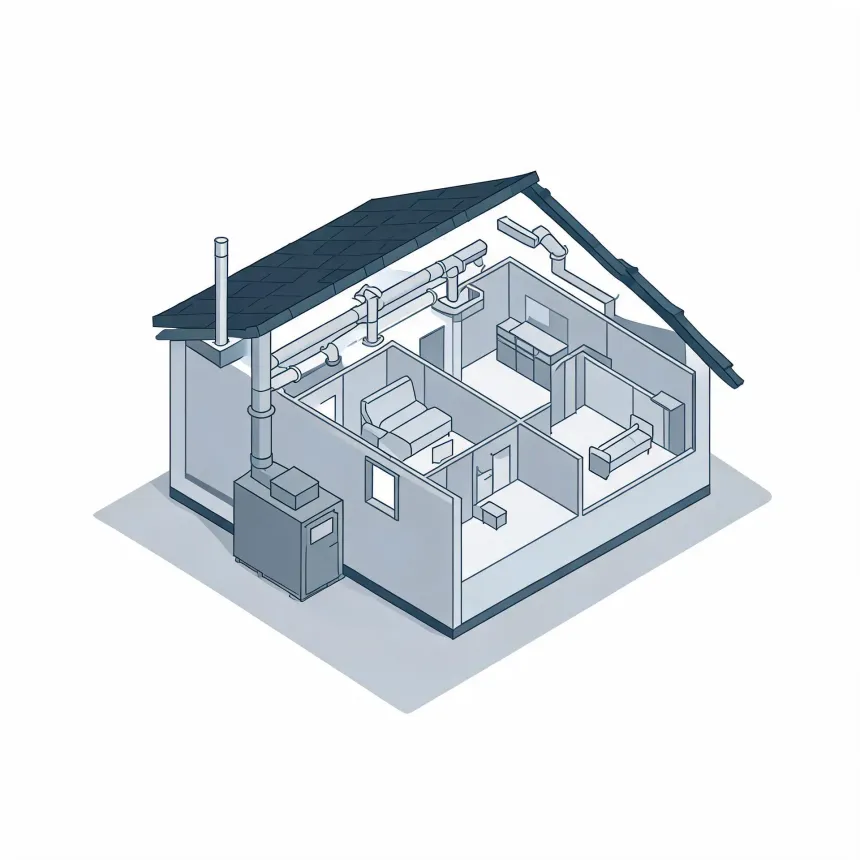
With a furnace repair, the gas connection is the part that matters most, since a bad joint or a bad vent is what makes the job dangerous rather than just broken. Where a town has its own licensing rule, that rule is what stands behind the person making that connection. Where a town has none, nothing outside the contractor's own work checks it. Most homes in DuPage County heat with gas, so that connection is doing real work in the large majority of houses here.
Source: Illinois General Assembly
- Why won't my furnace turn on?
- Most of the time it's the thermostat, the power to the unit, or the igniter. Check that the thermostat is set to heat and above room temperature, and check the breaker for the furnace. If those are fine, the igniter may have failed, and that's a part a contractor has to replace. With lows around 19°F most winter nights here, it's worth getting looked at the same day rather than waiting.
- Why is my furnace blowing cold air?
- A furnace blows cold air for a few seconds when it first starts, while the burners light and the heat exchanger warms up. If it keeps blowing cold, or blows cold the whole time it runs, something isn't igniting or the flame is going out right after. It could also be a thermostat set to run the fan constantly instead of only when heating. A contractor can tell which one it is.
- Why won't my furnace pilot light stay lit?
- This usually means the thermocouple has worn out and can no longer hold the gas valve open once you let go. A draft blowing across the pilot can also blow it out, so check that nothing nearby is causing airflow near the burner compartment. If the thermocouple is the problem, it needs to be replaced, not just cleaned. Since most furnaces here run from October through May, it's not something to leave alone for long.