Let someone else find the pro
Is duct cleaning worth it in Illinois
Duct cleaning gets pitched hard, but whether it does anything for your house depends on what's actually going on in those ducts. This page gets into when it helps, when it doesn't, and what that means for a humid Illinois summer and a gas furnace running all winter. Send the form and a local contractor takes it from there.
Let a pro reach outDuct cleaning is worth it when there's a real reason for it, not on a schedule. If you can see dust building up around your vents, if someone in the house has started having more allergy trouble, or if you've had rodents or a renovation that put drywall dust into the system, cleaning the ducts makes sense. Illinois summers get humid, and humidity plus dust in a duct is what lets mold and dust mites take hold, so a dirty system matters more here than it would somewhere dry. But if your ducts look fine and nobody's having breathing trouble, cleaning them on a routine basis doesn't do much. The dust that collects on duct walls mostly stays put and isn't what's circulating through your house. What actually affects your air and your gas furnace's performance is the filter, and that needs changing regardless of what the ducts look like.


What's actually in the ducts
Dust in a duct system is mostly dust that already settled, not dust circulating through your house. It sits in the long runs and the elbows where airflow slows down, and a lot of it stays put unless something stirs it up. That changes if you've had construction work, since drywall dust is fine enough to spread through the whole system before it settles. It also changes if mice or squirrels have gotten into the ducts, because what's left behind doesn't just sit there, it gets pushed into the air every time the furnace or the AC runs. Those are the cases where cleaning removes something that was actually a problem, not just dust that would have stayed where it was.
Why summer and winter both load the ducts
Illinois runs the furnace and the air conditioner through most of the year, and both push the same ducts hard. A sticky summer means the AC runs long hours moving a lot of humid air, and damp air inside the ductwork gives mold somewhere to grow, especially if a duct cleaning job turns up actual moisture. A cold winter means the furnace runs for months straight, and dry heat tends to carry settled dust further than a system that's cycling on and off occasionally. Neither season causes buildup on its own. Together they mean your ducts see more total runtime than they would almost anywhere else, so existing problems get moved around more.
Power costs 17.67 cents per kilowatt-hour statewide
At 17.67 cents per kilowatt-hour, a blower working harder than it needs to shows up on your bill fast. Clogged ducts make the fan run longer to move the same air, and that's wasted power every time the AC or furnace cycles on.
EIA-861 2025 statewide residential average
A dirty duct system doesn't just sit there quietly. It makes your furnace and AC run longer to push the same air through your house, and in Illinois that extra runtime hits a bill that's already high.
Clean ducts don't fix a bill on their own, but they stop paying a penalty for restricted airflow. The air moves the way the system was built to move it, and the fan stops working overtime for it.




One request and it's handed off

Your request stays with one local pro.
Sending the form costs nothing.
When cleaning actually helps
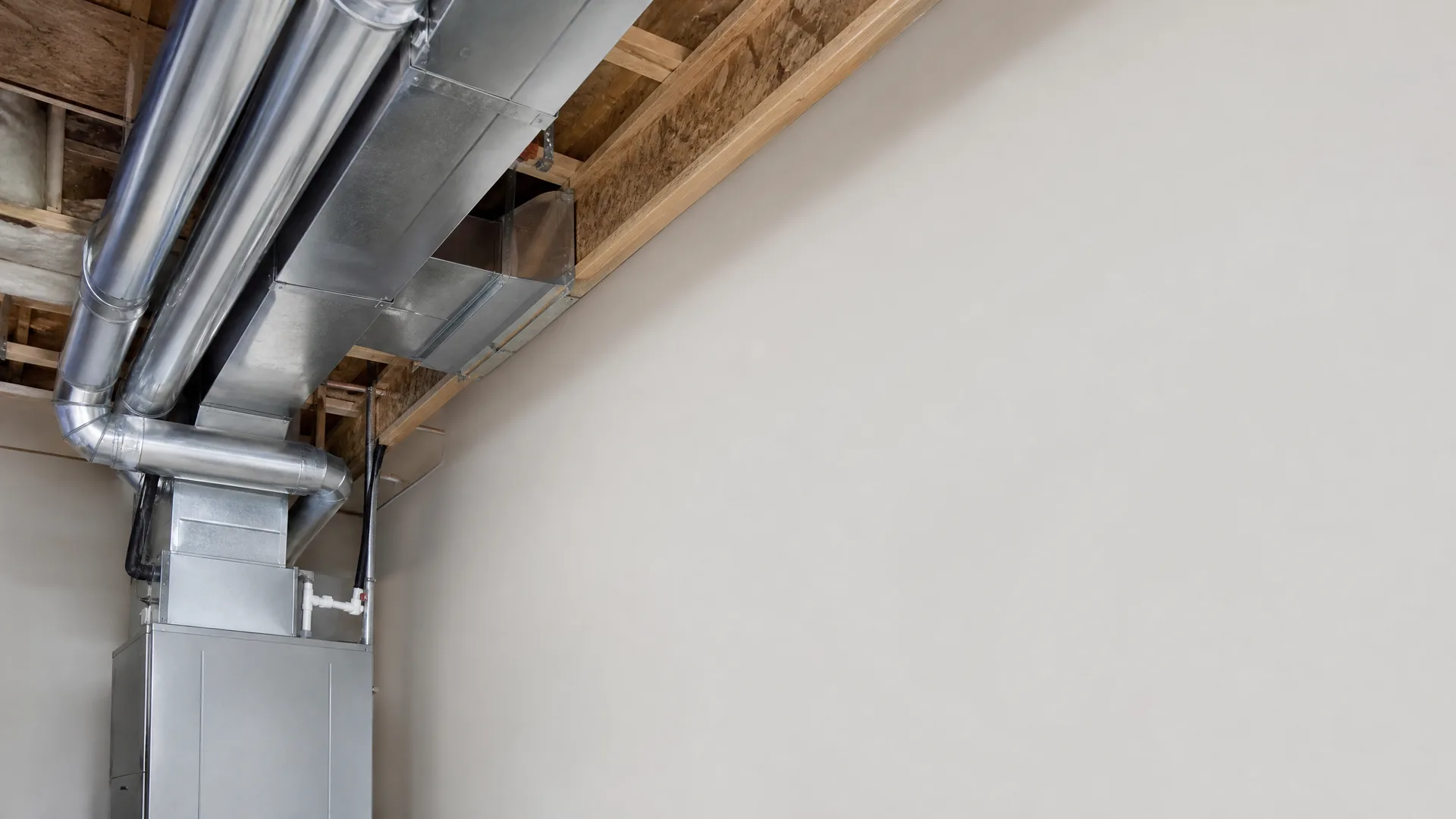
If a duct system has been open to drywall dust from a remodel, or rodents got into a run, cleaning takes out what's actually there. The same goes for homes where a vent cover comes off and you can see gray buildup inside. That material doesn't break down on its own, and a gas furnace pushing air through it all winter keeps moving it into the house. A contractor who clears it is solving a problem you can point to.
When it won't change much
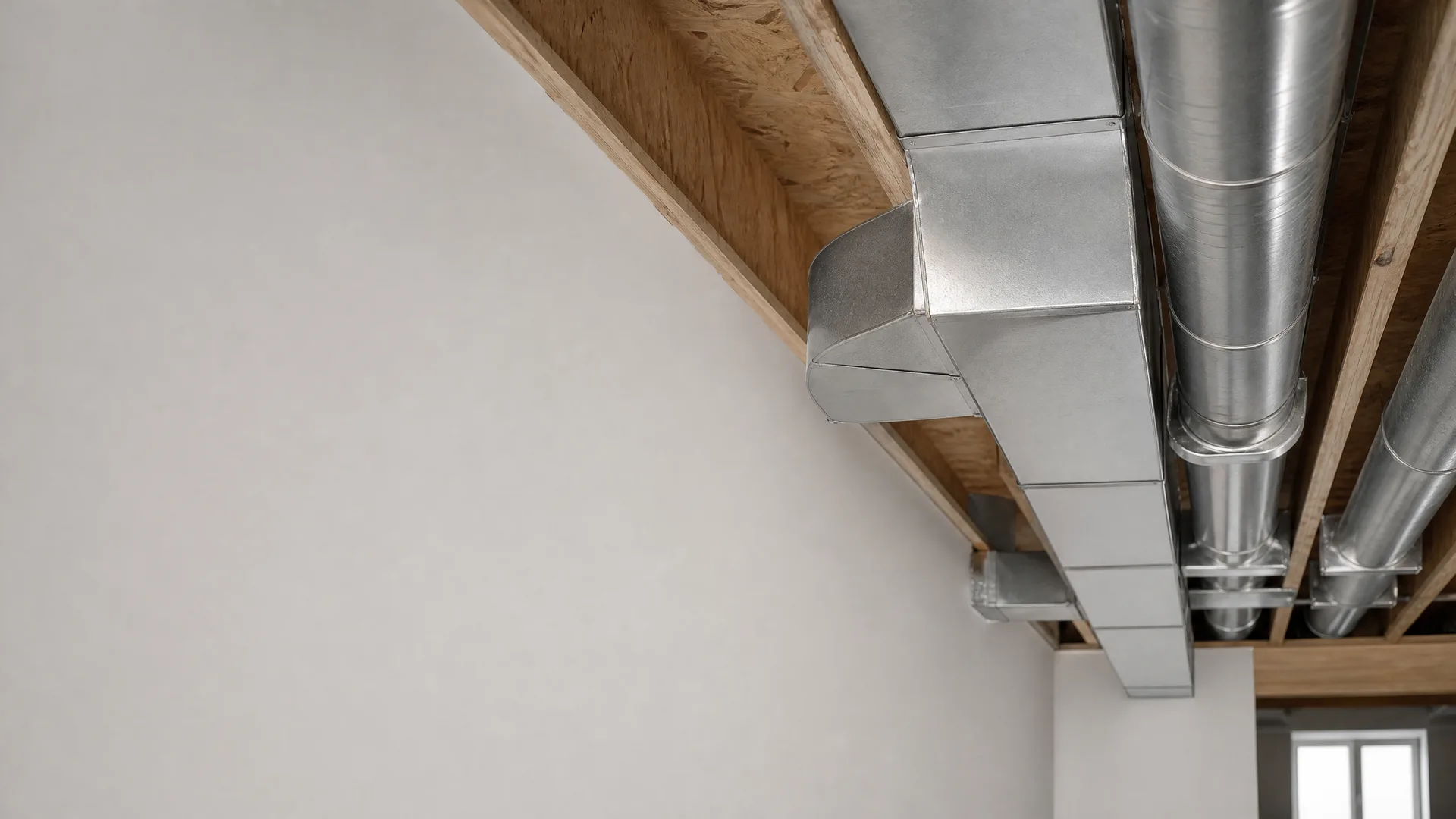
If the ducts look fine and nobody in the house is dealing with new allergy symptoms, cleaning on a set schedule mostly just costs money. Illinois summers are muggy enough that people assume the air system needs constant attention, but a duct system without a specific issue doesn't get meaningfully better from a cleaning. The dust that's sitting in the long runs stays there either way until something like a renovation stirs it loose.
How do they actually clean out the ducts?
You've gotten this far and you're picturing someone showing up with a shop vac and calling it done. Before you decide if it's worth paying for, it helps to know what the job actually involves, since that's what tells you whether it reaches the dust sitting in your runs or just the parts you can already see near the vents.
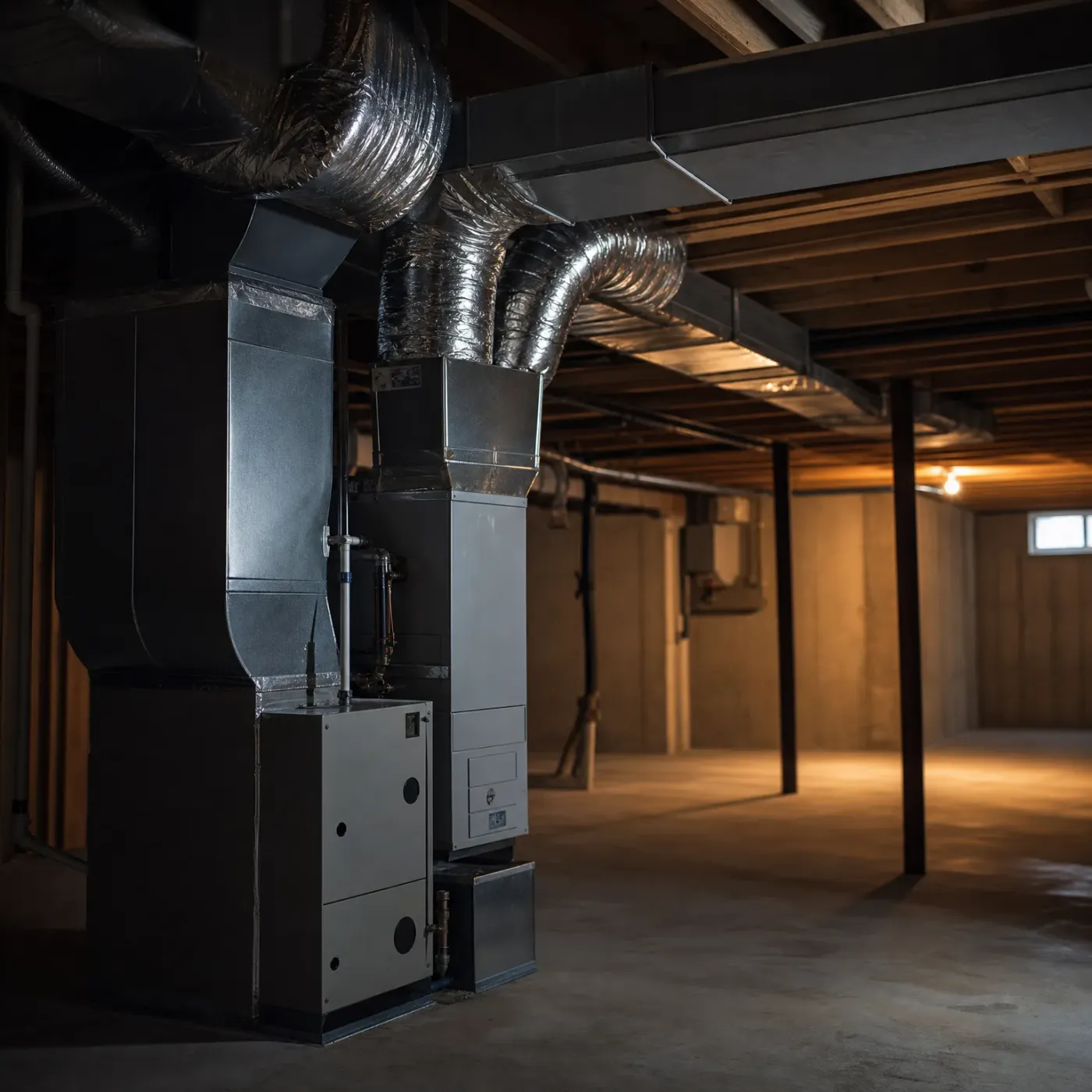
A contractor hooks a vacuum to the duct system and brushes each run while air pulls the loose dust out
A contractor connects a negative air machine to the duct system, usually at the main trunk, so the whole system is under vacuum while the work happens. Then they go vent by vent, opening each register and running a brush or an agitation tool through the run to knock dust loose from the walls of the duct. The vacuum pulls everything toward the machine instead of letting it settle somewhere else in the system. The supply side, the return side, and the coil area around the furnace all get covered. Nothing about this reaches inside the walls or changes the ductwork itself. It just clears out what built up inside the metal.


So, Is It Worth It
- Duct cleaning helps when there's a specific reason, like visible dust, rodents, or renovation debris, not on a fixed schedule.
- A clogged duct system makes your blower run longer to move the same air, and that costs more with power at 17.67 cents a kilowatt-hour.
- Cleaning won't fix a high bill by itself, but it removes one thing making your furnace and AC work harder than they should.
- Most of what's inside a duct system is settled dust that stays put, so a clear system doesn't always need the service.
- Pull a vent cover and look inside before you decide, since that tells you more than guessing on a timeline ever will.
- The right call depends on what's actually sitting in your ducts, not on how long it's been since the last cleaning.
The answer comes down to what's sitting in your ducts right now, not a calendar. Most of what collects in a duct system is dust that settled in the long runs and stayed there, and that kind of buildup isn't costing you anything. What changes the answer is a specific event: a renovation that left drywall dust behind, rodents that got into a run, or a vent cover you pulled and saw gray buildup under. Those situations put material in the airflow itself, and that's what makes a furnace or AC work harder to push air through the house. In Illinois, with power running 17.67 cents a kilowatt-hour and a gas furnace running most of the winter, a blower working longer than it needs to shows up on the bill every month, not just in summer. Cleaning doesn't lower that bill by itself. It removes one specific thing that's been making the system work harder, which is different from fixing a bill that has other causes too. The way to know where you stand is the vent cover, not the number of years since anyone looked. Pull one, look inside, and you'll see whether there's real buildup or just the ordinary dust that was never going anywhere. That fifteen minutes tells you more than any fixed schedule would, and it's the difference between cleaning because something's actually there and cleaning because it felt like time.


Ductwork Cleaning
Done looking for a duct system pro
Your duct cleaning request goes to one local pro.
