
HVAC Installation in Kankakee, IL
A new system here will heat from October through May and cool from June through August every year. Tell us about the house, and a licensed contractor who covers Kankakee County will get in touch.
Tell us about the job
It takes about a minute.
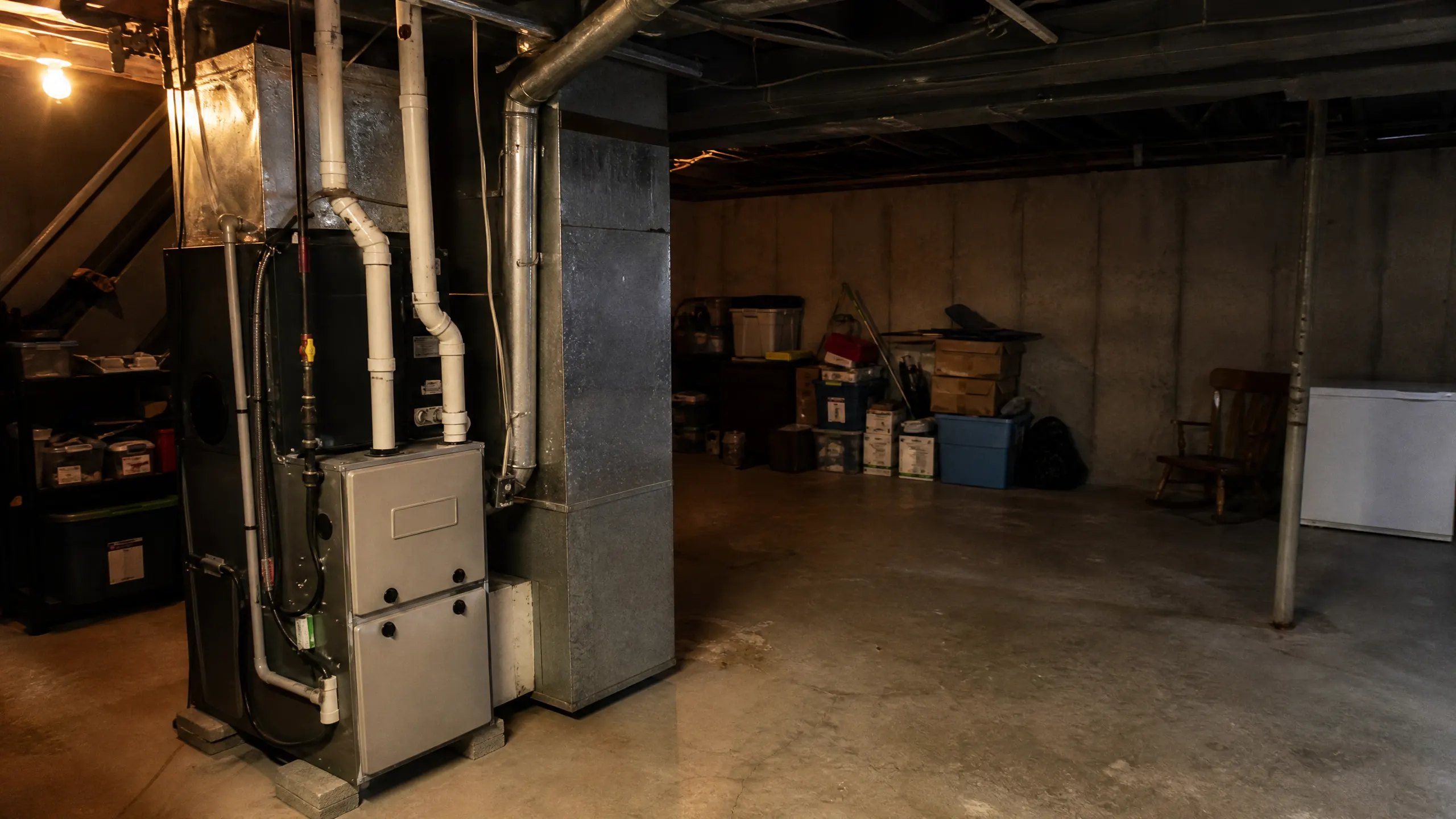
Eleven months of work a year for your system
Kankakee County only gives your system one month off. Heat runs October through May, eight months, and cooling takes over for June through August. That is eleven months where the furnace or the air conditioner is doing something.
Winter nights average 20°F here, cold enough that a furnace is cycling on and off for hours at a stretch. Summer afternoons average 83°F, real work for an air conditioner but not extreme heat. Most homes here heat with gas, so the furnace carries the longer stretch of the year. A new system installed here needs to be sized for both jobs, not just the one that happens to be running when it goes in.
- 8 months
- October through May, your system heats
- 3 months
- June through August, it cools
- 20°F
- the average winter night it heats against
- 83°F
- the average summer afternoon it cools against
NOAA nClimDiv, 1991–2020 normals
In Illinois, HVAC licensing for homes is left to the cities and towns.
Illinois has no state HVAC license. Whether a contractor needs a local license depends on which city or town the house sits in, since that decision is left to them rather than the state.
For an installation like this, most cities and counties require a permit from the local building office, and the work gets an inspection once it is done. That permit and inspection are what stand between the homeowner and the work here, not a state license.
Source: Illinois General Assembly
- When should I replace my HVAC system?
- Once repairs start happening every year, or parts are getting hard to find, it is time to start planning for a new one. Furnaces and air conditioners can both last many years with regular care, but that depends on how well each has been maintained. Here, your furnace runs from October through May, so a failure during those months means living without heat while it gets fixed. If your system is struggling to keep up or breaking down often, replacing it before it fails outright is worth considering rather than waiting for a breakdown in the cold.
- Should I replace my furnace and air conditioner at the same time?
- If both are old, replacing them together often makes sense, but it is not required. A furnace and an air conditioner installed at different times can still work fine side by side as long as a contractor matches the new unit to the old one correctly. Where it matters most is the air handler and coil, since a mismatched coil can hurt the efficiency of a new furnace or new AC. A contractor looking at both units can tell you whether pairing them now saves trouble later or whether replacing one at a time works for your situation.
- What happens during an HVAC installation?
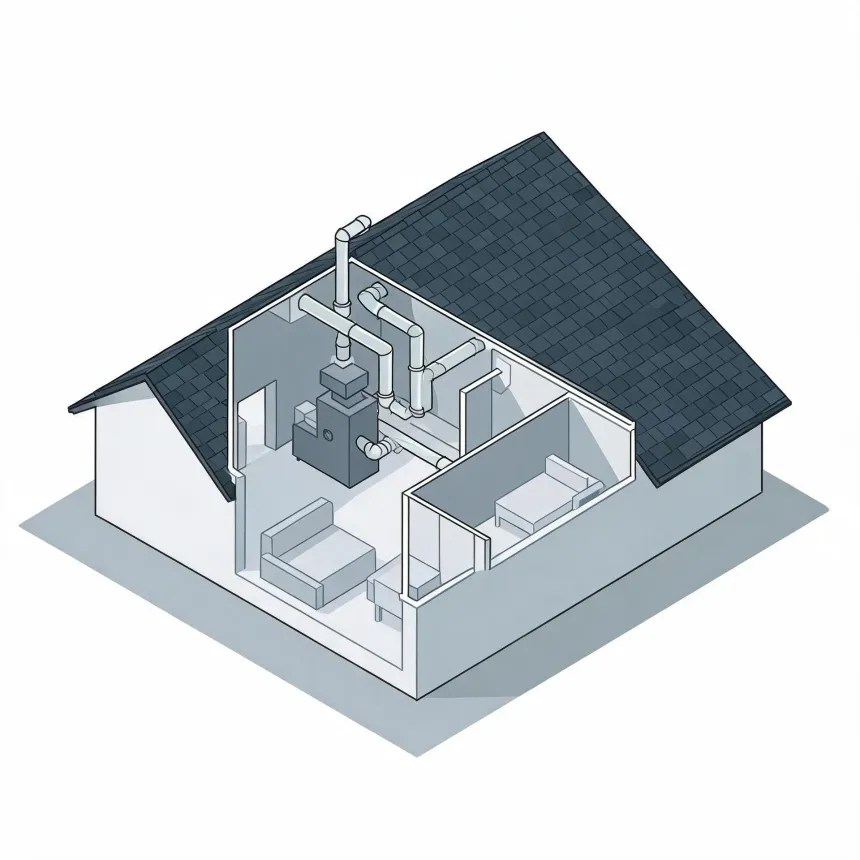
- A contractor removes the old equipment first. Then the new furnace, air conditioner, or both get set in place and connected to the existing ductwork, gas line, refrigerant lines, and electrical. After that comes testing. Gas pressure or refrigerant charge gets checked, airflow through the ducts gets confirmed, and the thermostat gets tested with the new equipment. Any duct or venting problems usually get addressed at this point too, since they affect how well the new system performs. A contractor walking the job beforehand can tell you what your specific installation will involve.