
Furnace Installation in Kankakee, IL
A new furnace here will run from October through May every year. Tell us about the house, and a licensed contractor who covers Kankakee County will get in touch.
Tell us about the job
It takes about a minute.
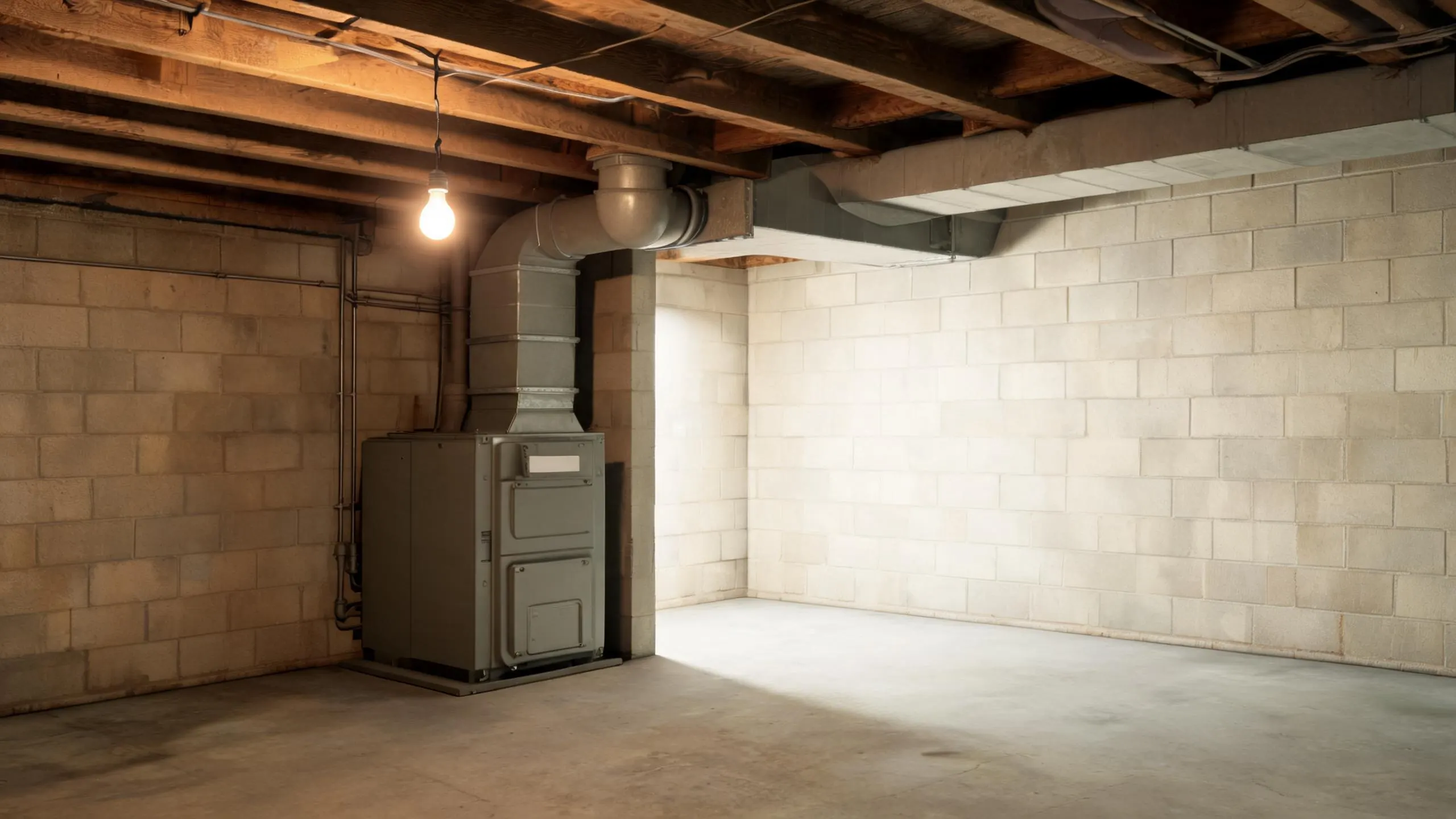
Eight months of heat, out of a county that loses power in winter
Your furnace has to work from October through May here. That's eight months of the year, with winter nights averaging 20°F. A furnace sized and installed right for Kankakee County has to handle that stretch without strain.
Most homes here heat with gas, and any new non-weatherized gas furnace has to reach at least 80 percent AFUE by federal rule. That's the floor, not a feature anyone is offering you. The county has also logged nine winter storms and 99 damaging wind events over the past ten years, and in 2024, 16% of Illinois households lost power for 24 hours or more. If your furnace depends on a standing pilot, it stays lit through an outage. If it doesn't, it will need the power back before it fires again.
- 8 months
- October through May, your furnace is on duty
- 20°F
- the average winter night it heats against
- 77%
- of homes here heat with gas, so most furnaces here burn gas
- 80% AFUE
- the federal minimum any new unit must meet
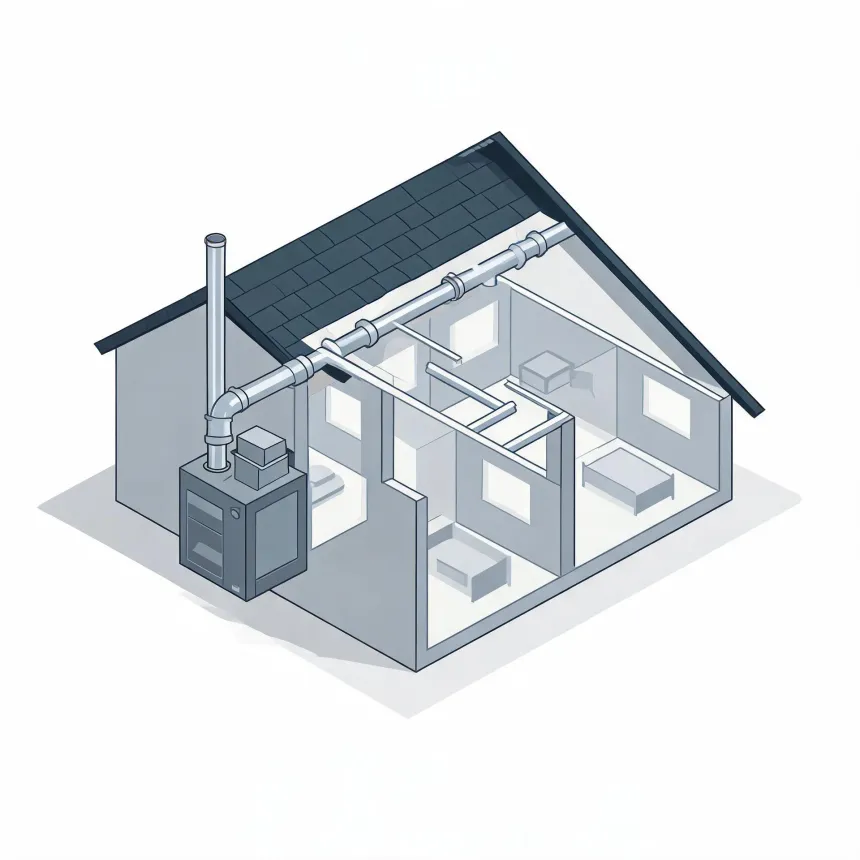
NOAA nClimDiv, 1991–2020 normals
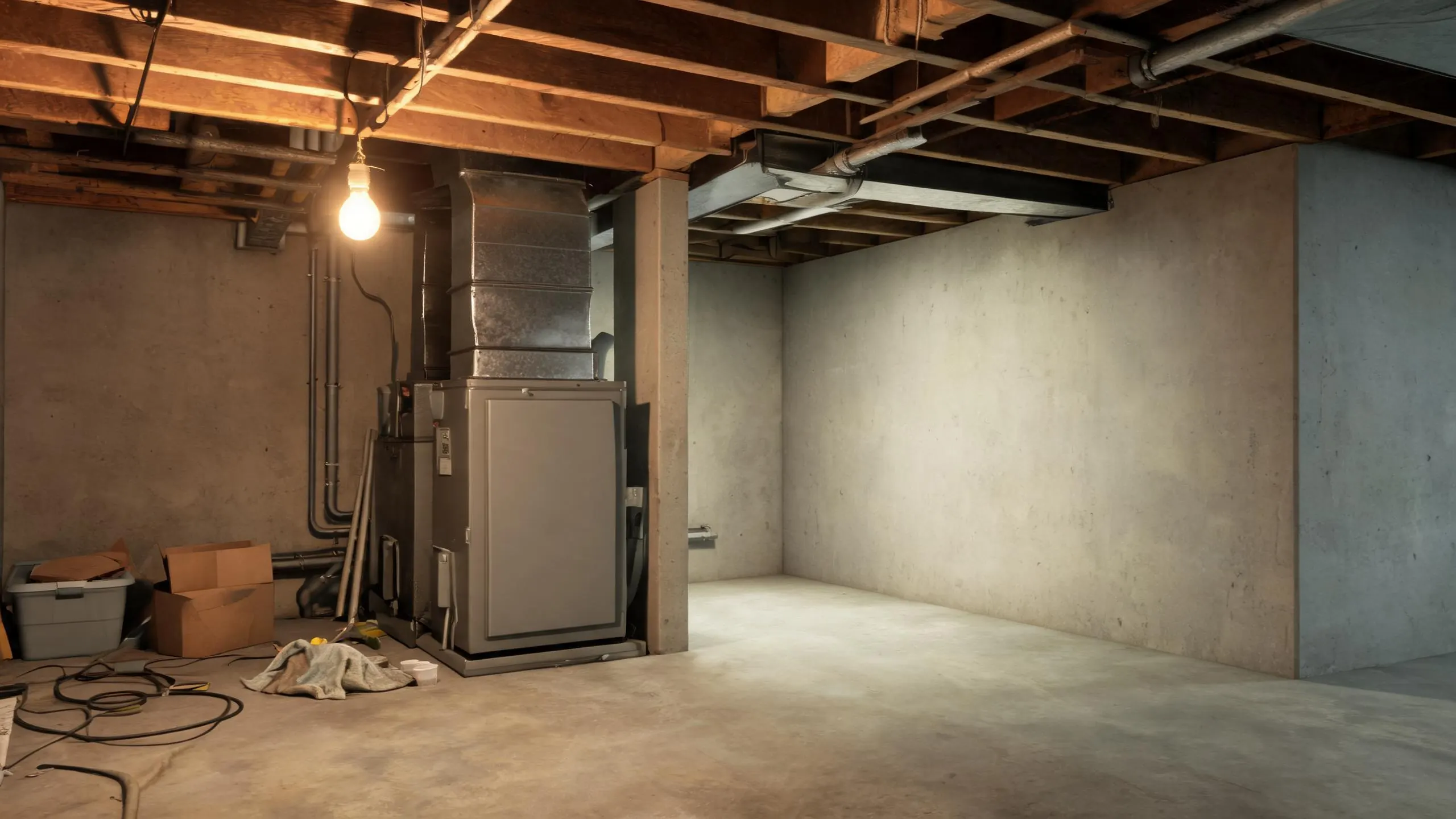
A high-efficiency gas furnace would save about $120 a year to run in Kankakee County compared with a gas furnace.
Estimates for a typical Kankakee County home, from EIA household energy data, Illinois fuel prices and NOAA climate normals. Your home will differ.
In Illinois, HVAC licensing for homes is left to the cities and towns.
Kankakee County does not license HVAC contractors itself. Whether one is required at all depends on the city or town, so the address decides more here than a state office would. Nothing at the county level tests or records who does this work.
For a furnace installation, the piece that stands in for that missing license is the permit and inspection from the local building office. Most cities and counties require a permit before a furnace is replaced and an inspection once it is in, and that inspection is what catches a bad gas connection, which is the part of this job that can hurt someone. With most homes in Kankakee County heating with gas, that inspection is doing real work here, not just paperwork.
Source: Illinois General Assembly
- What size furnace does my house need?
- There's no single number that fits every house on your street. It comes down to your square footage, how well the place is insulated, your window count, and your ceiling height, all run through a load calculation. A contractor measures your house and does this math on site. Going by the size of your old furnace alone can be wrong if it was never sized right in the first place.
- How do I know it's time to replace my furnace?
- Age is the first thing to look at, along with how often you're calling for repairs. A furnace that needs fixing more than once a season is telling you something. Watch for uneven heat between rooms, a furnace that runs longer than it used to, or a rise in your gas bill with no other explanation. Homes here need heat from October through May, so a furnace on its way out gets used hard for most of the year, and a failing one shows itself fast.
- Is a high-efficiency furnace worth it?
- It depends on how long you plan to stay in the house and what your current furnace is costing you to run. Any non-weatherized gas furnace made on or after November 19, 2015 already has to hit 80 percent AFUE at minimum, so the real question is whether it's worth paying more for a unit rated above that. With winter lows here averaging 20°F and heat needed October through May, a more efficient furnace has a long stretch of hard use to earn back that extra cost. A contractor can walk you through the actual models and their ratings for your house.