
HVAC Installation in Joliet, IL
A new system here will heat from October through May and cool from June through August every year. Tell us about the house, and a licensed contractor who covers Will County will get in touch.
Tell us about the job
It takes about a minute.
What Will County asks of a new system
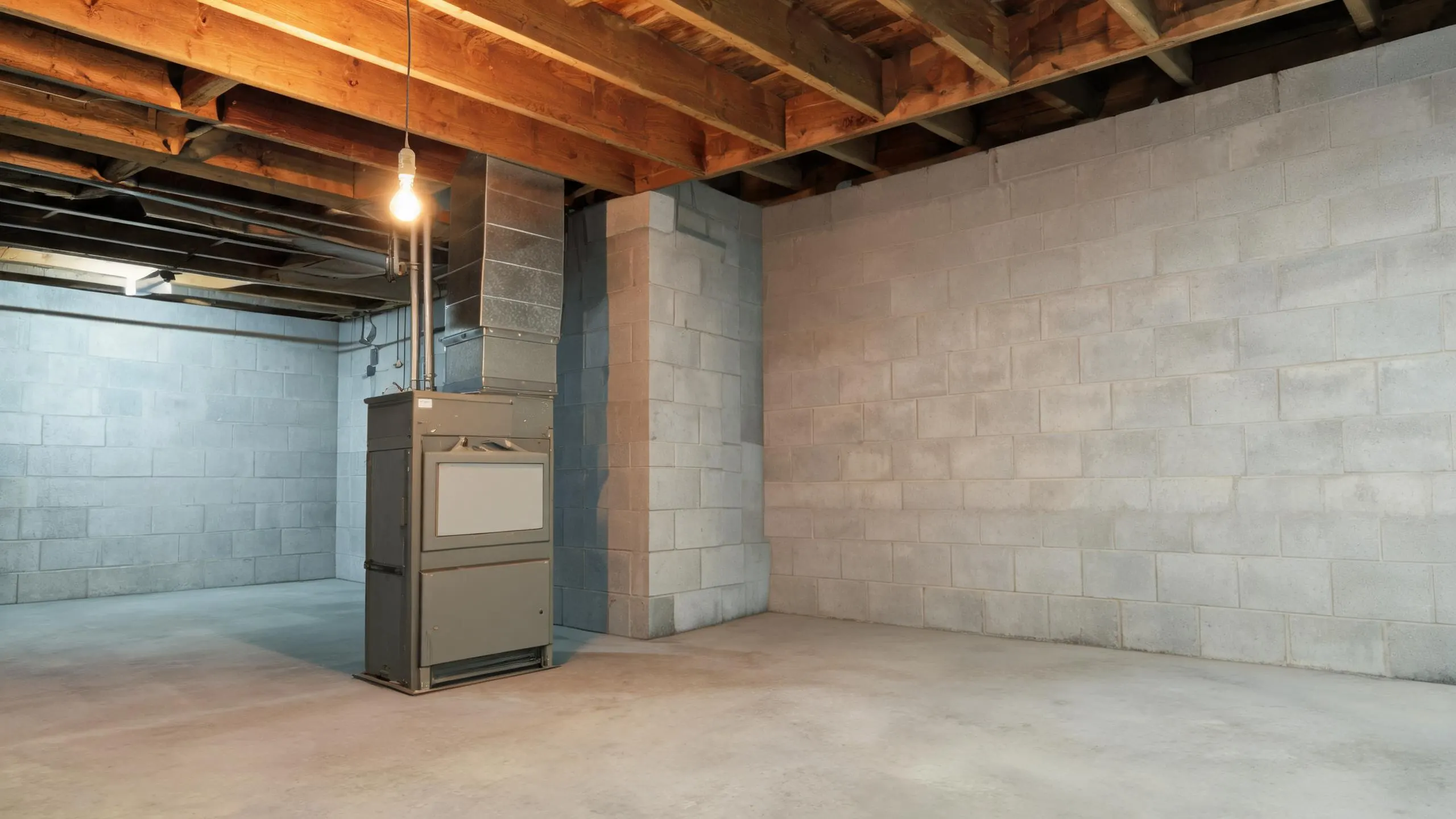
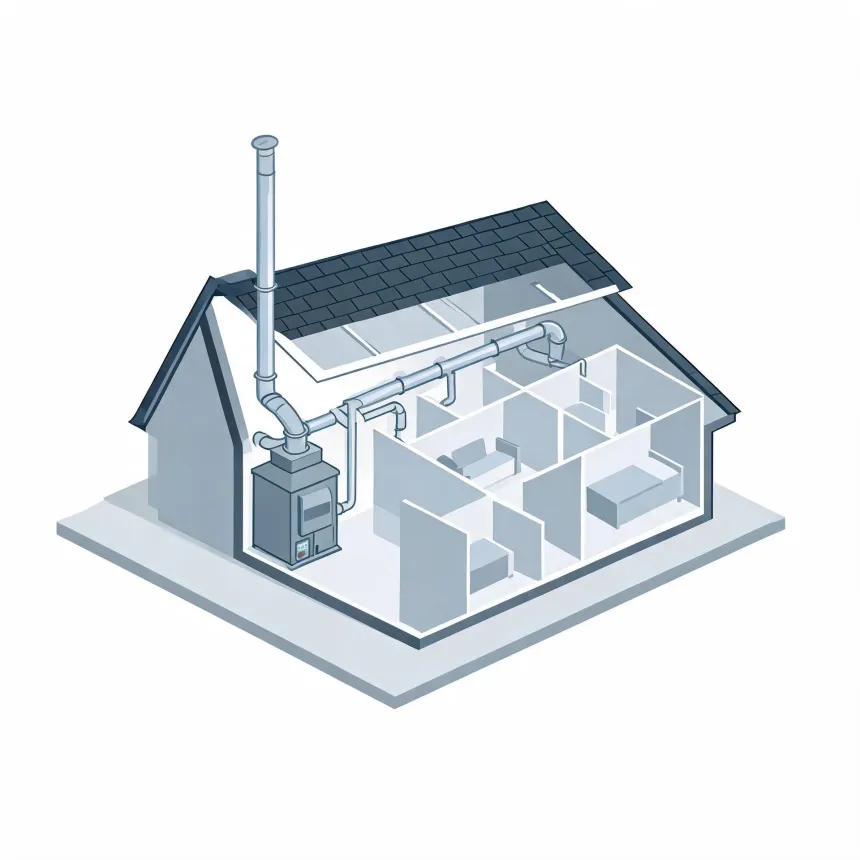
Your furnace and air conditioner will run 11 months out of the year here. Heat is needed October through May, eight months. Cooling takes over for June through August. There is not much time left over when neither one is working.
Winter nights average 20°F from December through February, cold enough that a furnace sized wrong will run long stretches just to keep up. Summer afternoons average 83°F, real work for an air conditioner but not extreme heat. The bigger risk to either machine is what happens around them. Will County has logged 17 winter storms and 202 damaging wind events over the past ten years, and across Illinois, 16% of households lost power for at least 24 hours in 2024. Most new furnaces and air conditioners come back on by themselves once power returns, which matters here.
- 8 months
- October through May, your system heats
- 3 months
- June through August, it cools
- 20°F
- the average winter night it heats against
- 83°F
- the average summer afternoon it cools against
NOAA nClimDiv, 1991–2020 normals
In Illinois, HVAC licensing for homes is left to the cities and towns.
Illinois does not test or license HVAC contractors at the state level. Whatever rule applies to this job comes from Will County or the town the house sits in, so the protection here depends on the address rather than a single statewide credential.
For an installation, the part that matters is the permit. Putting in a new furnace, air conditioner or heat pump is work most local building offices require a permit for, and that permit brings an inspector out once the work is done. That inspection is what checks the gas connection and confirms the system is set up correctly.
Source: Illinois General Assembly
- When should I replace my HVAC system?
- Replace it when repairs start piling up or the system can no longer keep up on the coldest or hottest days. An old furnace or air conditioner is a candidate even if it still runs, since parts get harder to find and efficiency has usually dropped. Homes here need heat from October through May, so a furnace that struggles to keep up leaves you exposed for most of the year, not just a few weeks. If a repair bill comes close to what a new unit costs, replacement is usually the better move.
- Should I replace my furnace and air conditioner at the same time?
- If both are old, replacing them together often makes sense, but it depends on the condition of each. A furnace and air conditioner installed at the same time are matched to work together, and pairing a new unit with an old one can mean the old one fails soon after anyway. Winters here run cold, down to 20°F on average overnight from December through February, so the furnace side of that decision carries real weight. A contractor can look at both systems and tell you whether one is worth saving.
- What happens during an HVAC installation?
- A contractor removes the old equipment, checks the ductwork and electrical or gas connections, and sets the new unit in place. They connect it to the existing ducts or lines, wire it to the thermostat, and test it under real operation before calling the job done. If the ductwork is undersized or leaking, that gets addressed too, since new equipment cannot perform right on bad ducts. The exact steps depend on whether it is a furnace, an air conditioner, or both, and a contractor can walk through what your specific setup needs.