
AC Installation in Joliet, IL
A new air conditioner in Joliet will run from June through August every year. Tell us about the house, and a licensed contractor who covers Will County will get in touch.
Tell us about the job
It takes about a minute.
Three months of heat, and storms outside that window
Joliet homes need cooling June through August, three months a year, with summer afternoons averaging 83°F. A new air conditioner does not run most of the year here, but it has to work the day it turns hot and keep working through every one of those three months.
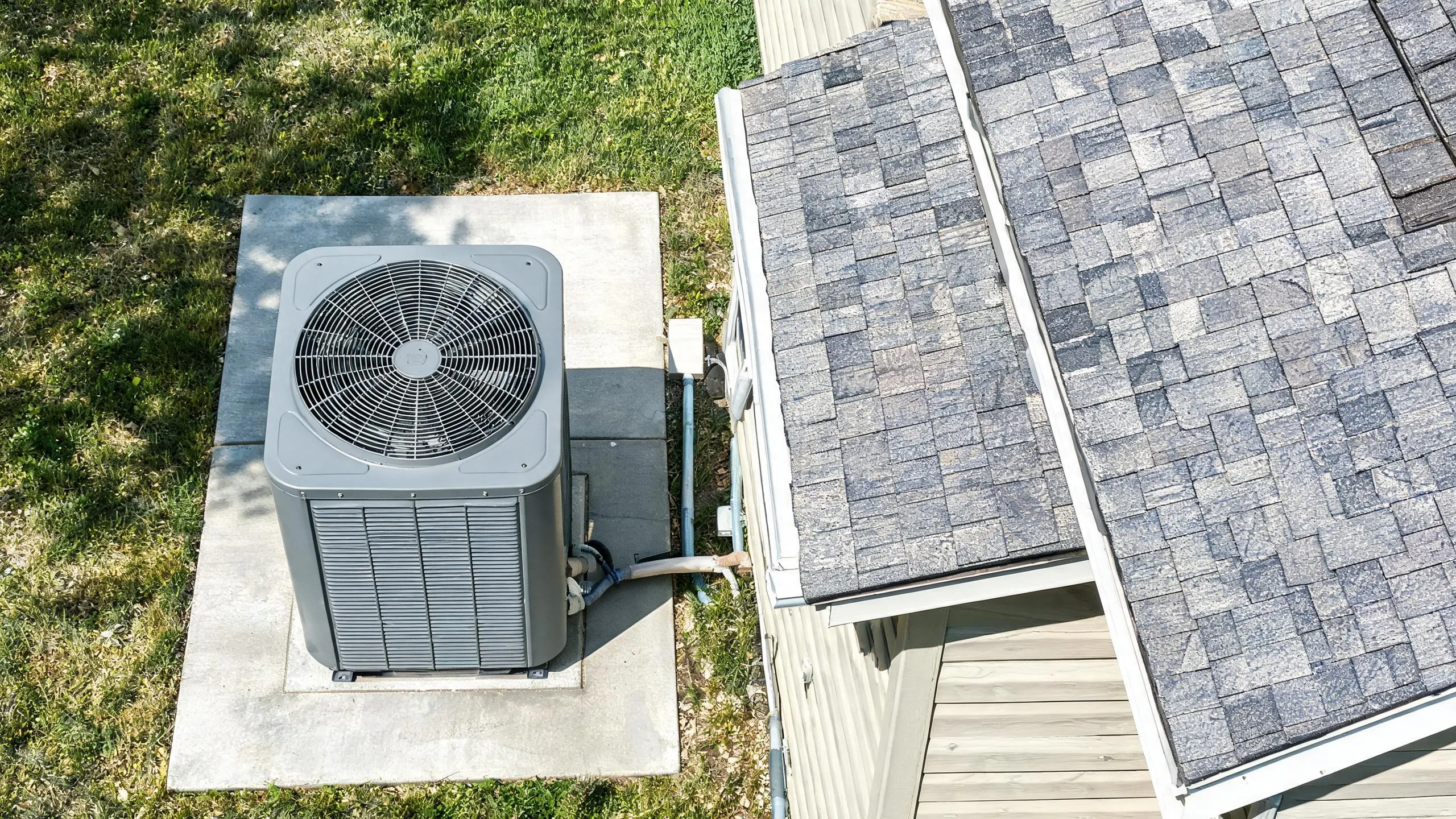
Will County has logged 89 hail events and 202 damaging wind events over the past ten years, with hail up to 2 inches recorded. The outdoor condenser sits through all of that whether or not it is cooling season. Any new central air conditioner installed today also has to meet the federal minimum of 13.4 SEER2, so that is the baseline efficiency you start from no matter which unit goes in.
- 3 months
- June through August, your air conditioner is on duty
- 83°F
- the average summer afternoon it cools against
- 89 hail events
- in ten years, and hail bends the fins on outdoor coils
- 13.4 SEER2
- the federal minimum any new unit must meet
NOAA nClimDiv, 1991–2020 normals

A higher-efficiency unit would save about $30 a year to run in Will County compared with a new unit at the federal minimum.
Estimates for a typical Will County home, from EIA household energy data, Illinois fuel prices and NOAA climate normals. Your home will differ.
In Illinois, HVAC licensing for homes is left to the cities and towns.
In Will County, there is no county HVAC license behind a contractor's name. Some towns in the county set their own licensing or registration rules for HVAC contractors, others don't, so what protection exists depends on which municipality the house sits in rather than on any statewide record.
For an air conditioner installation, the more consistent protection is the permit process. In most cities and towns here, putting in a new air conditioner needs a permit from the local building office, and the work gets inspected once it's done. That inspection is what checks the installation itself, the wiring, the disconnect, the way the unit is set on its pad, regardless of what licensing does or doesn't apply in that particular town.
Source: Illinois General Assembly
- What size air conditioner does my house need?
- It depends on your square footage, your ceiling height, how much shade your house gets, and how well it holds cold air. There's no single number that fits every home. A contractor works this out with a load calculation, not a chart based on square footage alone. Getting this wrong in either direction costs you. Too small and it runs constantly without cooling the house. Too large and it cools fast but leaves the air damp. Have a contractor measure your house rather than guessing from the unit you have now, especially if it never kept up on the hottest days.
- Should I replace the whole system or just the outdoor unit?
- If your indoor coil and outdoor unit are original to each other, replacing just the outdoor unit usually means replacing the whole system anyway. Coils and condensers are matched by the manufacturer to work at a specific capacity and efficiency. Pairing an old coil with a new condenser can mean the system never runs the way it's rated to. The older your indoor unit, the more likely it is that a mismatched pairing causes problems down the road. A contractor can check whether your coil is still in good shape and tell you if a matched replacement makes sense or if the whole system needs to go.
- Do HVAC contractors in Joliet need a state license to work on my home?
- Illinois doesn't license HVAC contractors at the state level for residential work. That's handled by cities and towns instead, so whether a license is required depends on where you live. Check with your city to see what it requires before hiring anyone.