



Dryer taking too long to dry in Naperville, IL

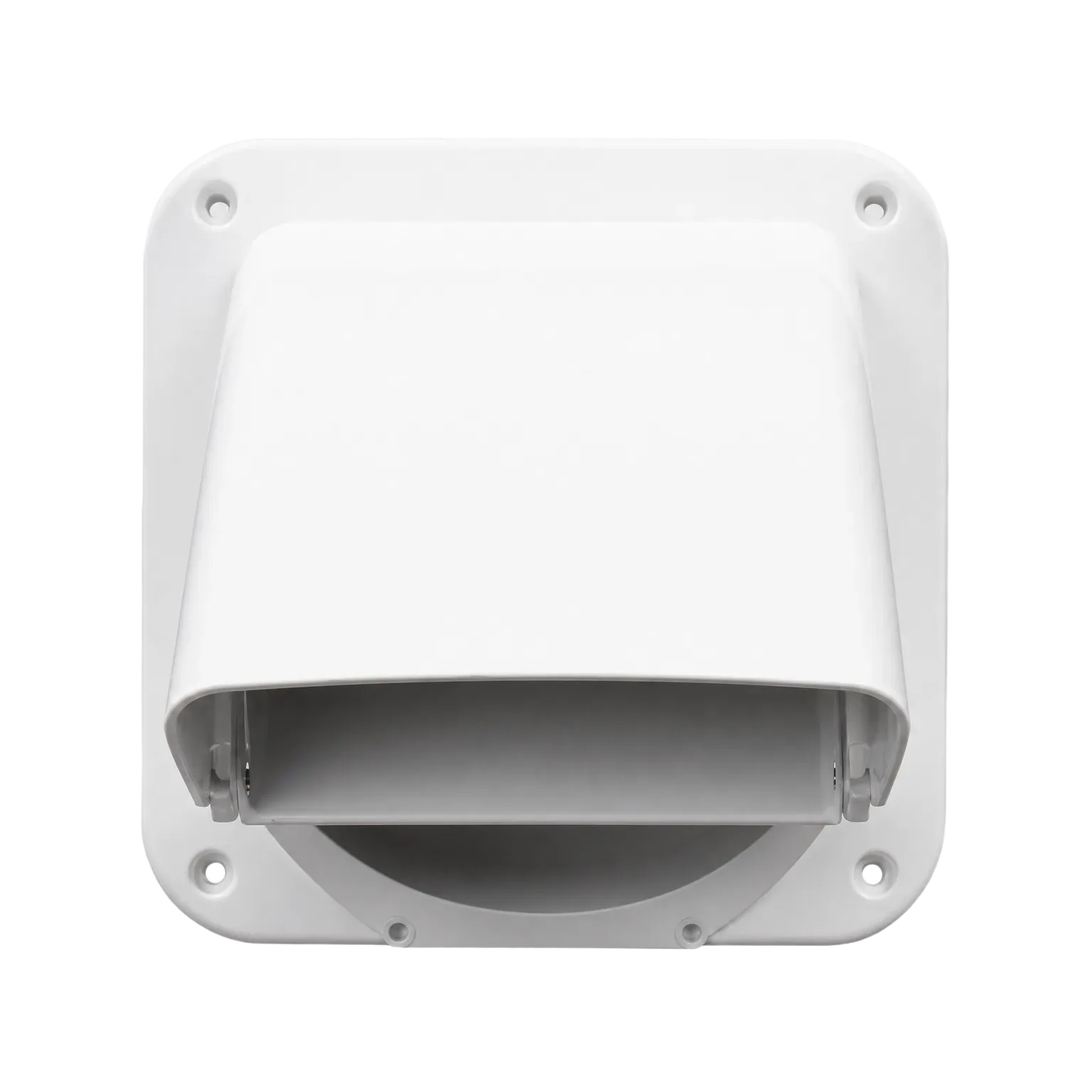
A white plastic wall vent with a square mounting flange, hooded cover, and round duct collar visible beneath, shown against a plain light gray background.
Start one form

Why is my dryer taking so long to dry clothes?

A load that used to take forty minutes now runs through two cycles and comes out damp around the seams. You check the lint trap, run it again, and nothing changes. Before you replace the dryer or call it a lost cause, it helps to know what actually slows a dryer down, because most of the time the machine itself is fine.

A clogged vent is the most likely cause

A dryer dries by pushing hot, wet air out through the vent. When that vent is packed with lint, the air has nowhere to go, so the drum fills with moisture the machine can't clear. Lint builds up fastest in vents with long runs or a few tight turns, which is common in a lot of DuPage County homes where the dryer sits far from an outside wall. The dryer still heats and tumbles the way it always did, so nothing sounds wrong, but the clothes come out warm and damp instead of dry. If a full cycle used to be enough and now takes two, a blocked vent is where to look first, not the heating element or the timer.

A smiling woman in a cream knit sweater sits at a marble counter with a glass of red wine, with a dining table, pendant lights, and French doors in the dim background.
A smiling woman with long dark hair in a cream sweater sits in a dimly lit open-plan home interior, with a glass of red wine in the foreground and a dining table, fireplace and shelving behind her.
A woman with long dark hair in a black turtleneck laughs while seated at a light stone counter with a glass of red wine, in a dimly lit interior with a potted plant, framed pictures and a hanging lamp behind her.
A woman in a dark sweater laughs while seated at a white marble counter with a glass of red wine, in a dimly lit open-plan interior with a pendant lamp and dining table behind her.

Why does your dryer vent clog up faster than it should?

  • 2.61 people per household on average

    A household of 2.61 people here runs a dryer most days of the week, and every load pushes more lint toward the vent. More loads mean the vent fills faster than it looks like it should.

  • Half the homes here were built by 1978

    Half the homes in DuPage County went up in 1978 or earlier, often with longer vent runs or more turns than a newer layout needs. The more bends in that run, the more places lint has to catch.

  • Power here costs 17.56 cents per kilowatt-hour

    At 17.56 cents per kilowatt-hour, a dryer working harder to push air through a clogged vent costs more to run every time you start it. A clear vent is what keeps that cost from creeping up.

ACS 2020-2024 · EIA-861 2025

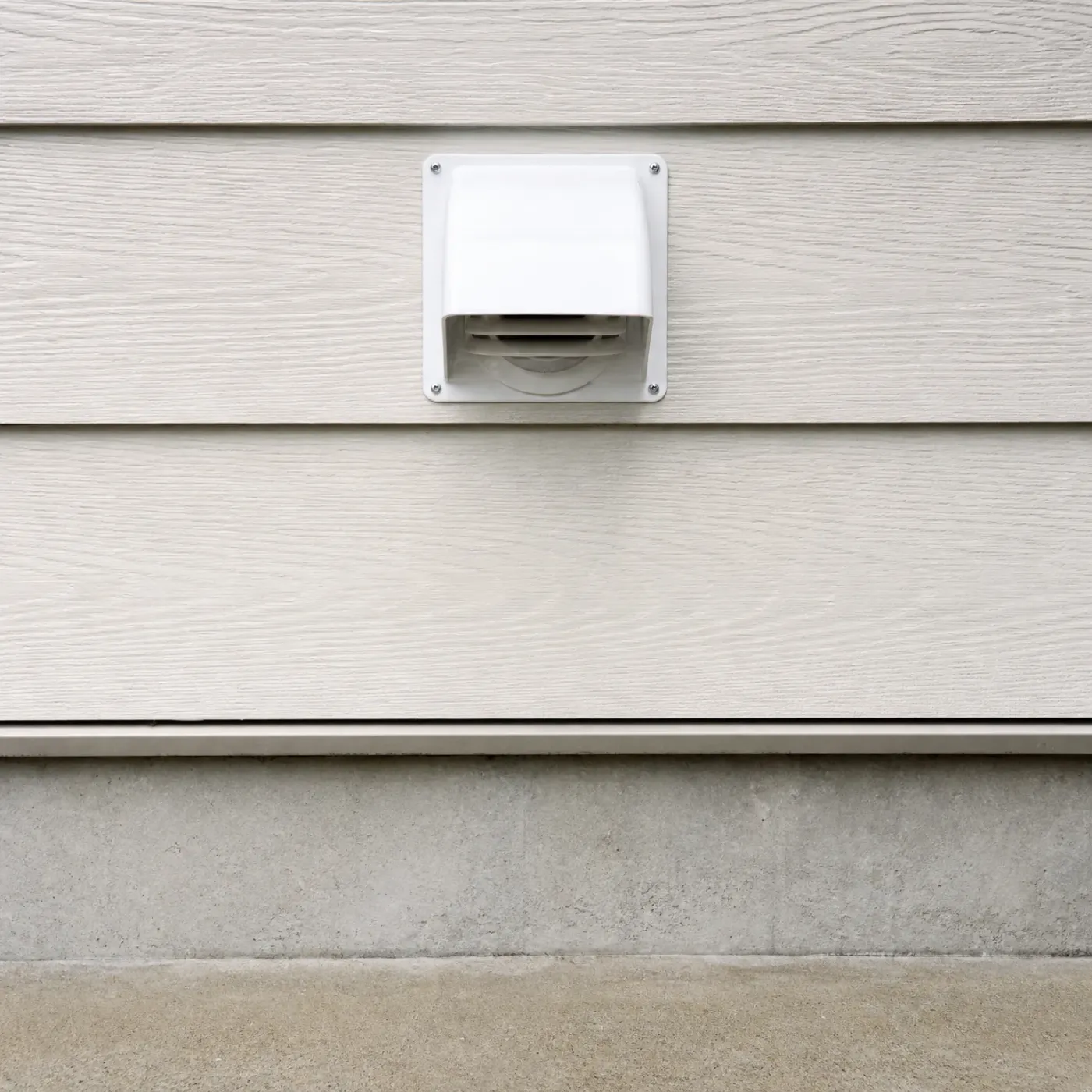
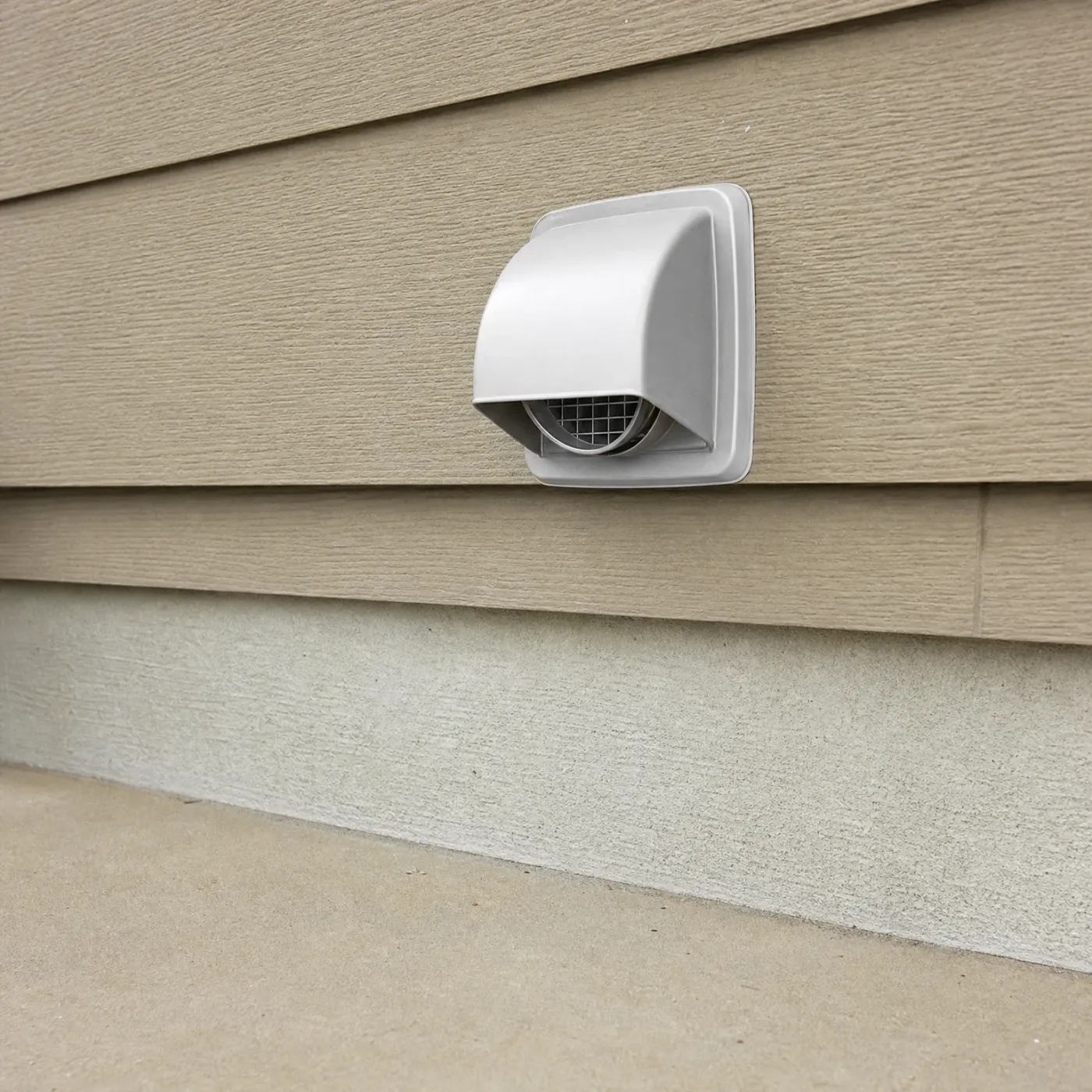
A white hooded dryer vent with a grille mounted on tan horizontal lap siding above a concrete slab.

Vent clear and open

This is what lets a dryer finish in one cycle. The flap swings open when the dryer runs, the hood keeps the screen clear, and air moves out as fast as the drum pushes it. A clean vent is why a load took forty minutes to begin with.
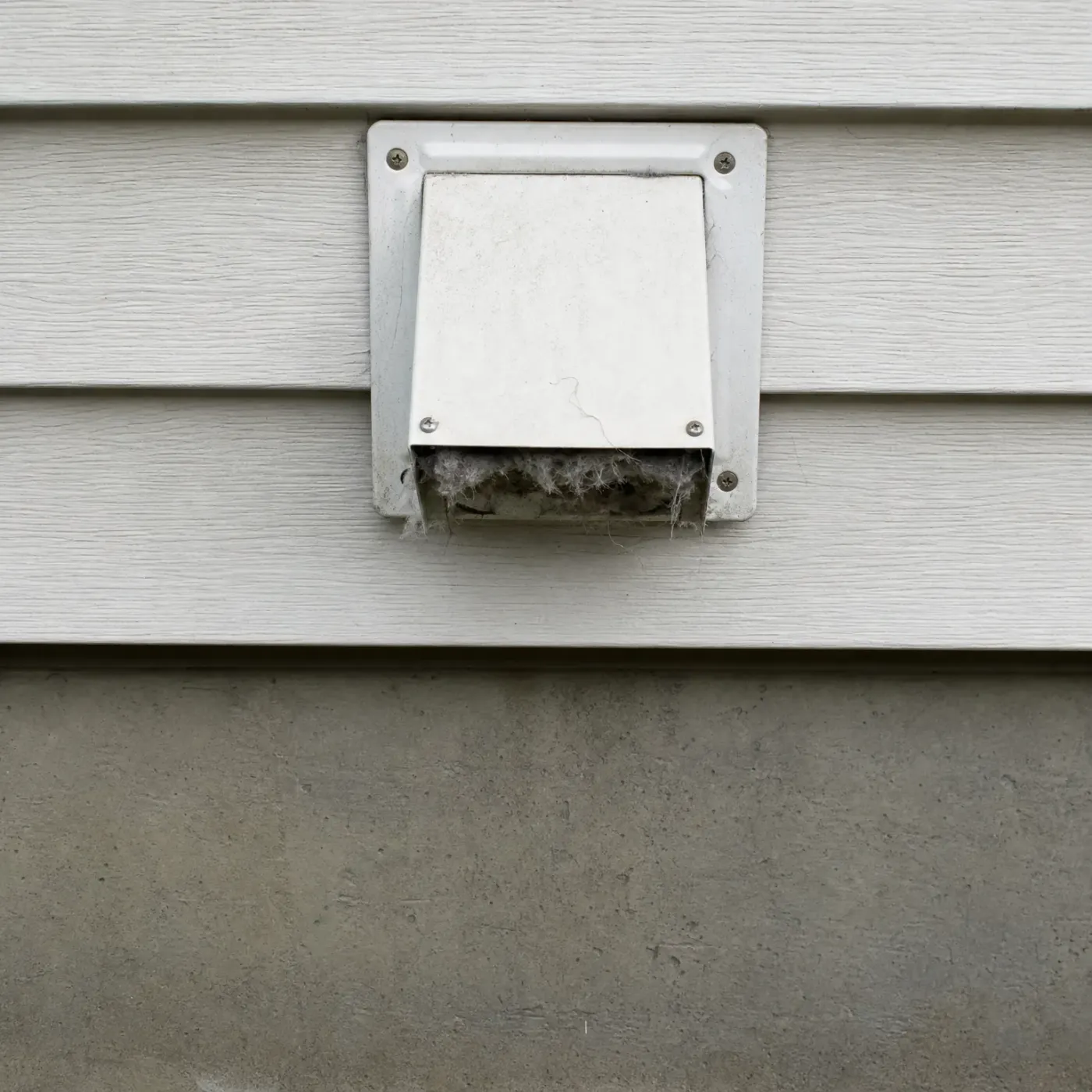

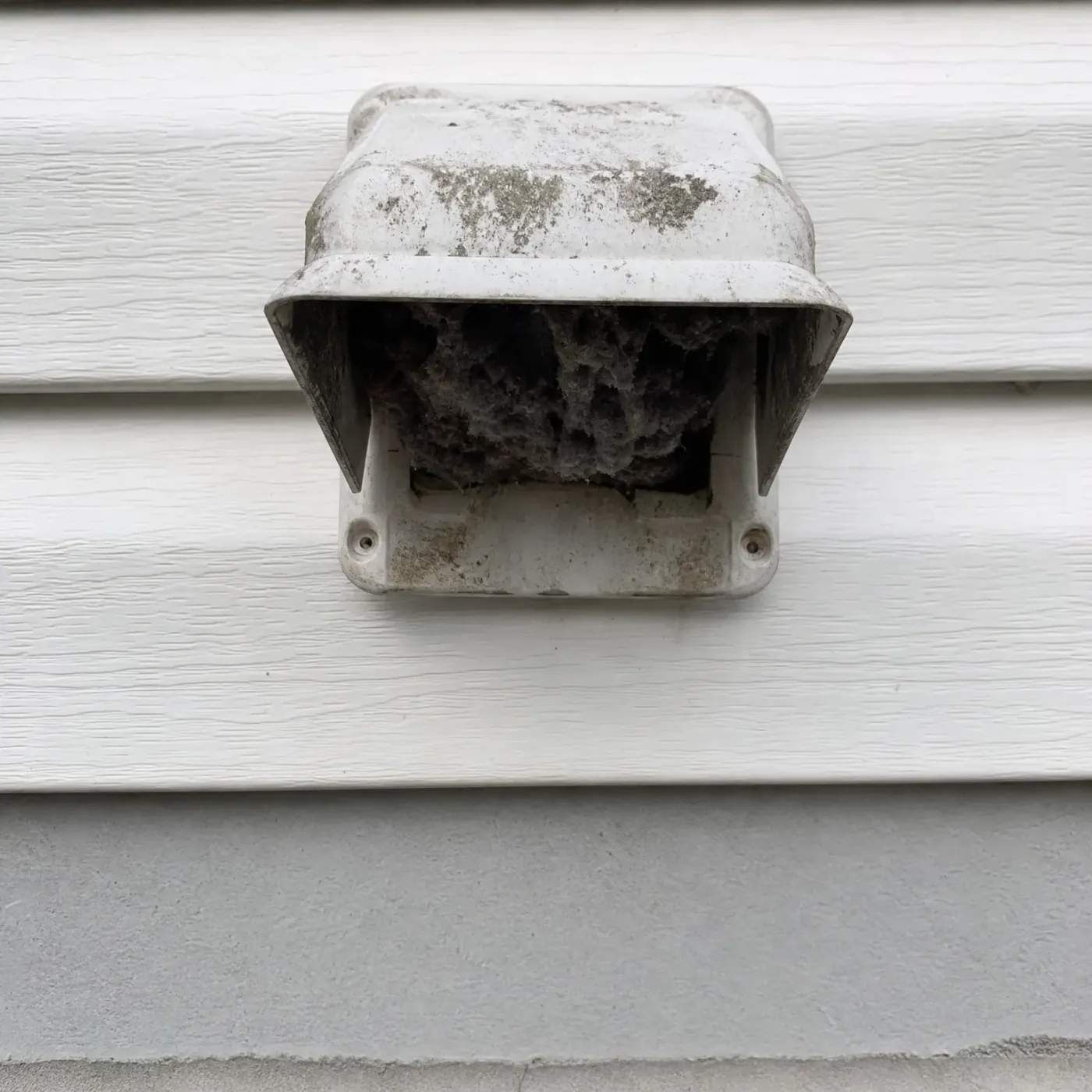
A white plastic dryer vent hood with a hinged flap mounted on light grey horizontal lap siding, with lint clogging the opening beneath the flap and a concrete foundation wall below.

Vent packed with lint

The flap can't close because lint is wedged under it, which means it can't fully open either. Air backs up into the duct instead of leaving the house, so the dryer runs hot, runs long, and still leaves clothes damp around the seams.

Clean It Yourself or Call Someone

Clean the vent yourself

  • You need a brush kit long enough to reach the full run from the dryer to the hood outside, not just the first few feet.
  • If the vent run has turns or goes up through a wall, a handheld brush will not reach the clogged section.
  • You find out after the fact whether the lint was the only problem or whether the hood flap or a crushed section of duct is also blocking airflow.
  • A load that still runs long after cleaning tells you something else is wrong, and now you are starting the search for a contractor anyway.
  • Doing it yourself means no one has checked the duct for crushed sections, disconnected joints, or a flap that is stuck shut.

Have it cleaned

  • A local contractor who services vents in this area every season knows which duct runs clog fastest and why.
  • One contractor comes out, looks at the whole run from the dryer to the hood, and tells you what they find.
  • You skip calling around, explaining the same problem more than once, and sorting through quotes from companies you have not vetted.
  • The person doing the work can tell on the spot whether it is lint, a stuck flap, or a crushed section causing the long cycles.
  • You get one point of contact instead of several companies competing for the same job and calling you back repeatedly.
A white plastic hooded dryer vent with a louvered opening mounted on gray horizontal lap siding, beside a plain light-colored wall surface.

What lint actually does inside the duct

Lint is not smooth. It catches on every seam in the duct, every screw point, every bend, and once a little is stuck there the next load's lint sticks to that. The buildup narrows the path air has to move through. A dryer pushes the same amount of hot, wet air whether the vent is wide open or half shut, so when the path narrows, that air backs up into the drum instead of leaving the house.

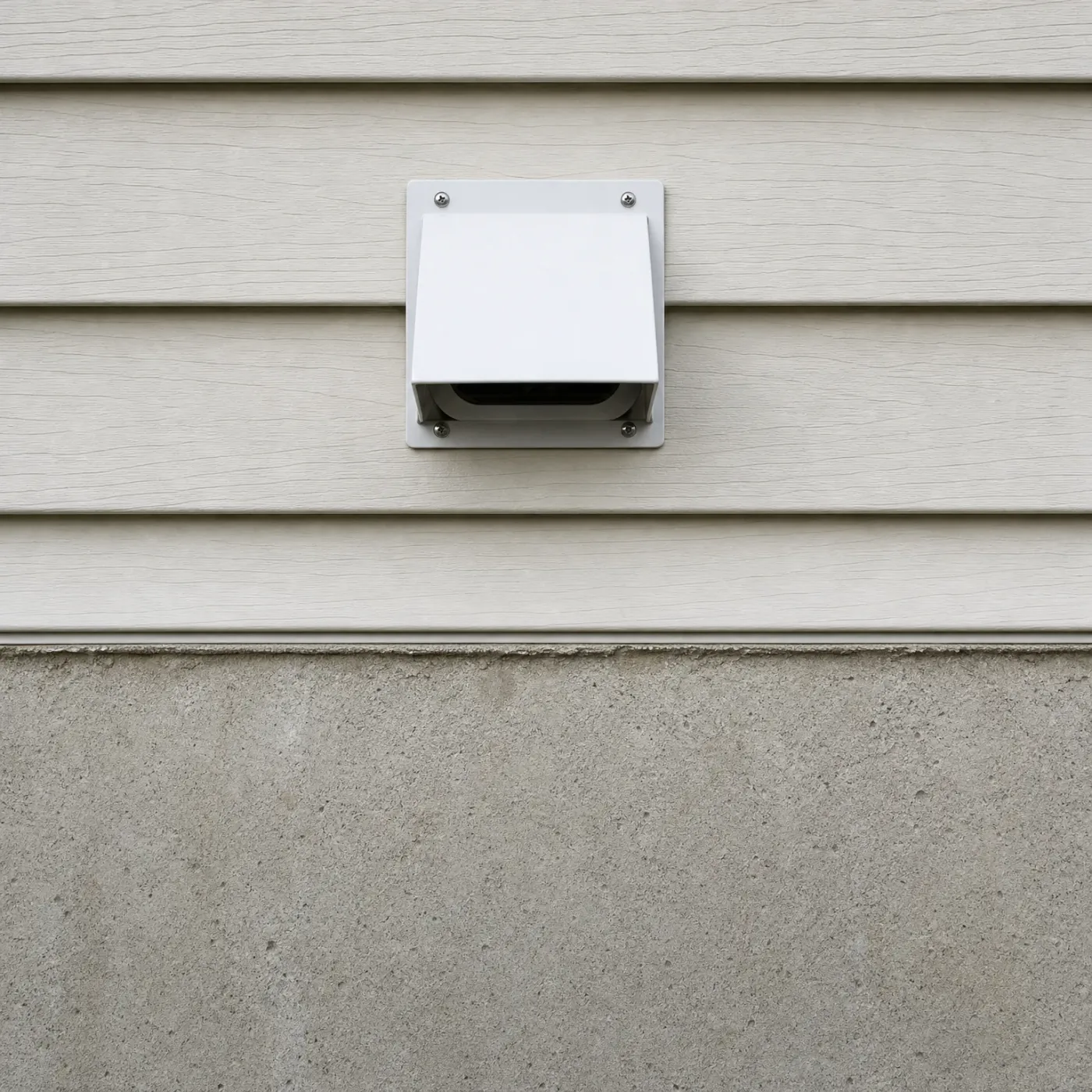
A white hooded dryer vent cover screwed to beige horizontal lap siding on an exterior house wall, with a blank wall at left.

Where the clog usually sits

Most of the length rarely clogs on its own. The spot that fails first is the hood outside, where the flap and screen sit, and any turn in the run between the dryer and that hood. A straight run with no turns clears itself fairly well on its own air flow. A run with even one elbow traps lint at that bend long before the rest of the duct shows any buildup.

2.61 people per household on average

With close to three people in most homes here, the dryer in yours is probably running close to every day. That pace is normal for the area, but it means lint reaches the vent sooner than it would in a house running it twice a week, so the cleaning schedule that works for your neighbor with one load a week won't be often enough for you.

ACS 2020-2024

  1. Hot, damp air leaves the drum and enters the vent duct

  2. Lint rides along in that airflow toward the outside wall

  3. Lint snags on duct seams, screws, and bends in the run

  4. The buildup narrows the path, so air moves through slower

A white hooded dryer vent with a louvered flap mounted on beige horizontal lap siding above a concrete foundation wall.
The flap opens clean and the hood stays clear, so a load runs its course and shuts off on time.
A white plastic dryer vent hood on horizontal lap siding, clogged with thick gray lint and dirt, above a lighter concrete foundation wall.
Lint has packed the opening solid, and the dryer behind it is pushing heat into a wall with nowhere to go.
A smiling man with curly graying hair and a dark knit sweater sits at a candlelit dinner table with a glass of red wine, a water glass and a bowl of salad in the foreground, in a dimly lit room with a lamp, framed picture and window behind him.
A woman in a cream knit sweater reclines on a gray sofa with her eyes closed and a slight smile, covered by a fleece blanket with a closed book on her lap, a lit table lamp and potted plants behind her.

No calling every shop in DuPage County

The pro who gets in touch is licensed in Illinois and works in DuPage County.

No fee to send it, and nothing to sign.

A white hooded dryer vent with a square mounting plate fastened to beige horizontal lap siding above a concrete foundation wall.

The hood a dryer vent should have

Four screws hold this cap tight to the siding, and the opening sits clear and square. Air from the dryer pushes straight out through it with nothing in the way. A load finishes on time because this part of the system isn't working against it.

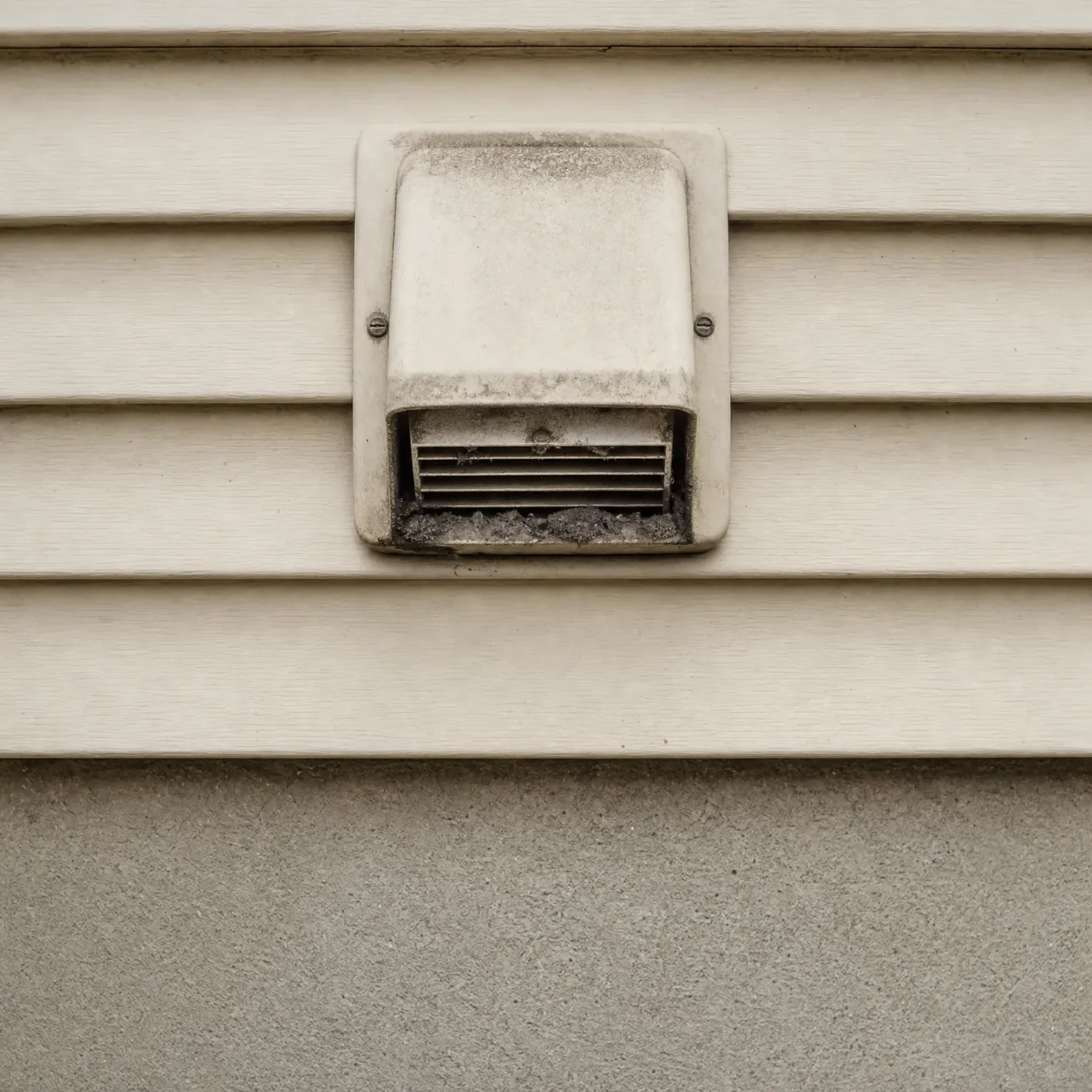
A dusty plastic louvered dryer vent hood screwed into beige horizontal vinyl siding above a gray stucco foundation wall, with lint buildup around the slats.

What's choking this one

Lint has built up around the louvers until the opening is nearly sealed over. Air still has to leave the drum somewhere, so it backs up into the duct instead. This is often the first thing a tech checks from outside, before the dryer ever gets opened up.

A closed laptop and a ceramic mug on a wooden table in front of a kitchen with green cabinets, marble counter, black pot, cutting board, wooden bowl, and a white vase with greenery.

What a slow dryer is doing to your house right now

Every extra minute your dryer runs on a clogged vent, it's pushing hot, damp air somewhere it shouldn't go. Some of that air works its way back into the laundry room instead of outside, which is why the room feels warmer and stickier than it used to, especially in summer when the house is already fighting humidity. The dryer itself runs hotter for longer, and the heating element works harder each cycle than it was built to.

Finding someone to look at a dryer vent usually means a string of calls: checking reviews, asking if a company works on vents at all instead of just the dryer itself, then waiting to see who calls back first. Submit a request here and that part is done. You get matched to one licensed DuPage County contractor who clears vent runs like yours all year, not three or four companies competing for your callback.

A light gray sofa with gray and beige textured throw pillows and a cream knit blanket beside a white-framed window, with a small round side table holding a ceramic vase and potted greenery.
A pile of gray and blue towels sits on top of a white dryer in a dim room with a wall cabinet above and a window to the right.

It's past eight on a Tuesday and you're still in the laundry room. The towels have been through twice now and the top layer is still damp along the folds. You pull them off the dryer and stack them on the lid to make room for the next load, and the pile just sits there, heavy and warm, not drying any further just from sitting. The room smells faintly like a wet basement. Outside it's a regular DuPage County evening, nothing unusual, but you've got three more loads behind this one and work in the morning, and right now you're just standing there deciding whether to run it a third time or give up and hang them over a chair.

A dryer that used to finish in forty minutes and now needs two cycles has a vent that isn't moving air the way it should. That's the whole answer, and clearing the duct is what fixes it. A contractor who services dryer vents in DuPage County every week has seen this exact run of symptoms more times than they can count, and they'll know within a few minutes of looking whether the clog sits right at the hood, deeper in the duct, or somewhere a turn in the run hides it from view. You get matched to one licensed contractor local to Naperville, not a handful of companies competing for your callback, so you make one call and explain the problem once. No more running loads twice and hoping the next one comes out dry. No more guessing whether it's the vent, the dryer, or something else. Once the path outside is clear again, the dryer goes back to doing what it was built to do, and that load goes back to taking forty minutes.

A single-story house with horizontal siding and large windows lit from within at dusk, beside a lawn, low path lights and a dark gravel driveway, with pine trees and a distant waterway under an orange and blue sky.

Dryer Vent Cleaning

Skip the search

Duct and vent cleaningDuPage County, IL
Step 1 of 3

What kind of equipment?

  • An olive-green upholstered armchair with a cream knit throw and pillow, beside a matching ottoman holding a mug on a wooden tray and a book, with a dark wood bookshelf, candles, a large leafy plant, and a patterned rug nearby.
    • Get matched with a DuPage County pro who cleans dryer vents.
    • Get matched with a pro who works on dryer vents in DuPage County.
  • Two stacked hardcover books, the top one green, sit on a round dark wood table beside a ceramic mug and a potted fern, with a leather armchair, green cushion and knitted throw behind near a curtained window.
    • One request and the dryer vent cleaning stops waiting on you.
    • Once you send the form, finding a pro is off your list.
  • Living room interior with a stone fireplace and wooden mantel holding ceramic vases and a framed artwork, a round wood coffee table with a dark vase of greenery, a shallow bowl, books and a stone cup, and a beige sofa with gray pillows and a dark throw in the foreground.
    • Fill out one short form instead of calling around.
    • Explain the job once and skip repeating it on every call.
  • An outdoor air conditioning condenser unit on a concrete pad beside a brick house, with a wall-mounted disconnect box and conduit, lawn and flowering shrubs at left, and a sunset sky in the background.
    • Only one pro gets your request, so you hear from one company.
    • Your request stays with one local pro.