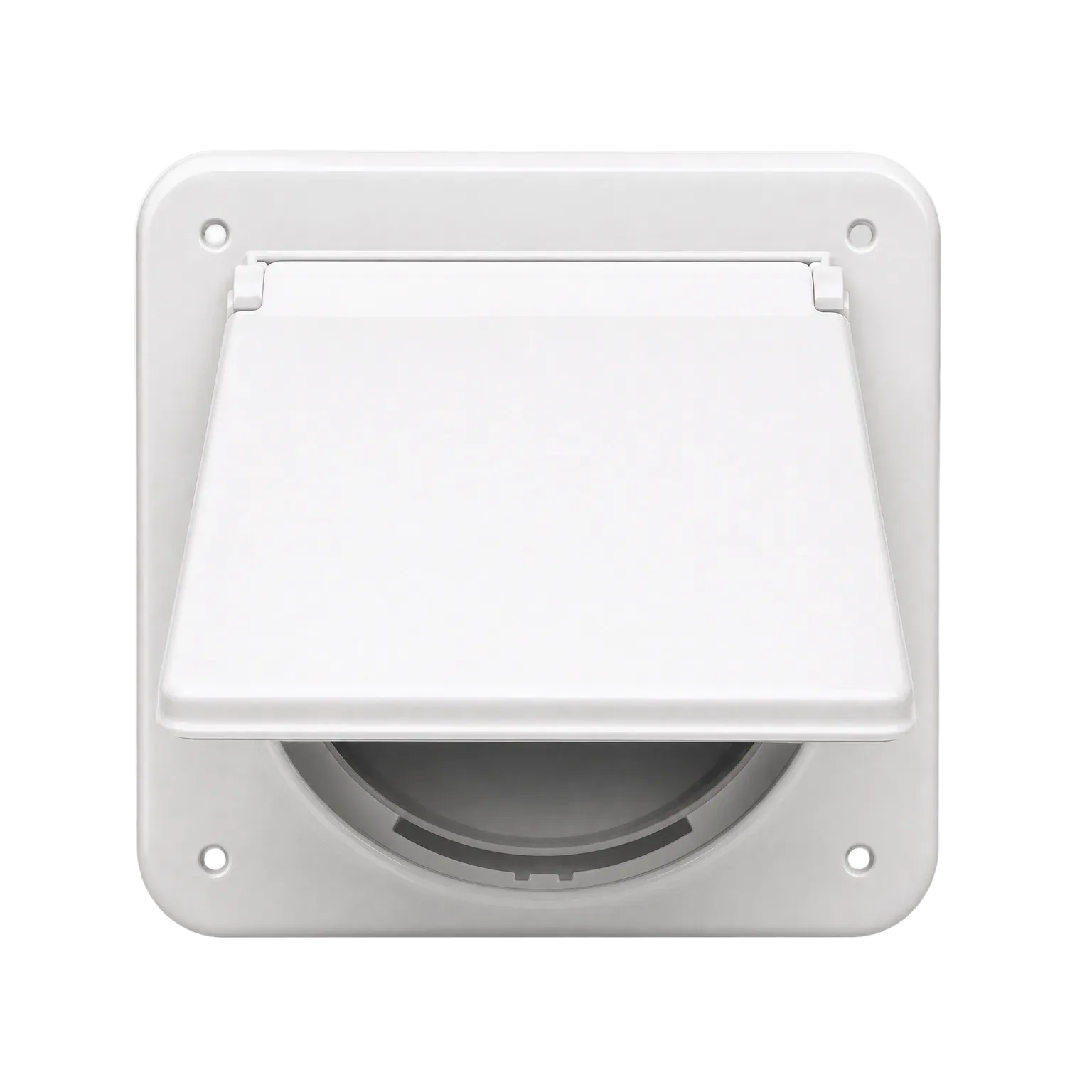
A dryer that runs long is usually choked by lint. Not the trap. The vent line running from the back of the dryer to the outside wall. As it fills in, the moist air the drum is throwing off has nowhere to go, so the dryer keeps heating and tumbling to finish a load it should have finished a while ago. Illinois summers run sticky, and that extra humidity in the air works against the dryer the same way a clogged vent does, so a line that was marginal in spring can turn into a real problem by August. Most homes here dry with a gas dryer, which still needs that vent clear to push combustion exhaust outside, not just lint. And with power costs what they are here, a dryer running two cycles to do one job shows up on the bill. If yours is taking noticeably longer than it used to, the vent line is the place to start.
Power costs 17.67 cents per kilowatt-hour statewide
At 17.67 cents per kilowatt-hour, every extra cycle a clogged vent forces costs you more here than in most states. A dryer fighting a blocked line can run through two or three extra cycles trying to finish a single load, and that adds up fast on your electric bill.
EIA-861 2025 statewide residential average
A vent that's clear
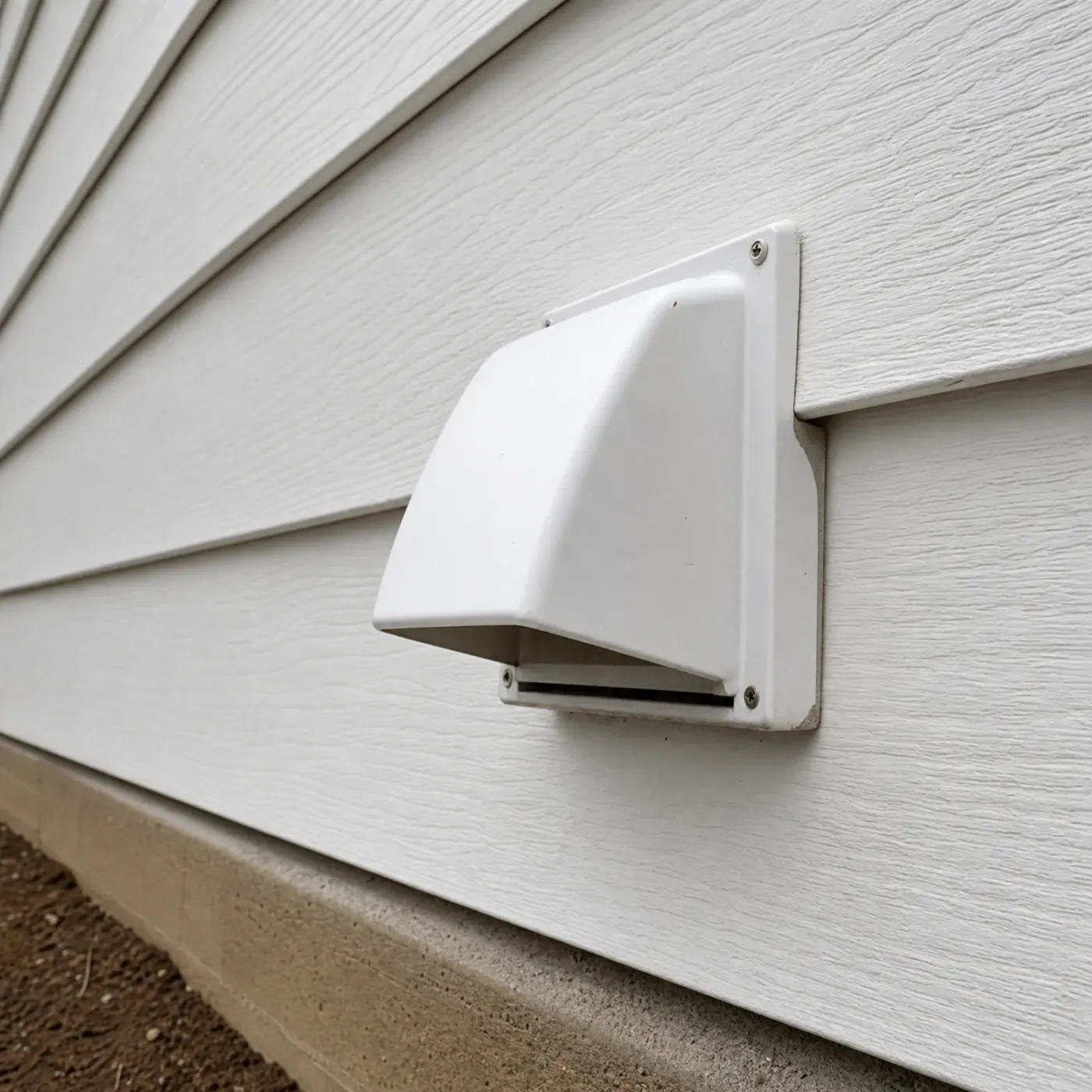
Run a load and check the outside hood while the dryer is on. You should feel a strong, steady push of warm air coming out, and you should see the flap open wide while it runs. If you go out and feel only a weak puff, or the flap barely lifts, air is backing up somewhere between the wall and the drum. A clear vent also means less lint smell lingering in the laundry room, since the moist air is actually leaving the house instead of settling back into the room. Clothes come out hot at the end of the cycle, not just damp-warm, and a full load of towels should be dry in one normal cycle, not two.
A vent that's choked
If the cycle ends and your clothes are still damp, especially heavier things like towels or jeans, restart the same load without changing the timer and see if it finishes dry the second time. That's the dryer compensating for a line it can't push air through fast enough. Check the hood outside while it's running. A weak trickle of air, or a flap that stays mostly shut, means lint has built up somewhere in the run. You may also notice the top of the dryer feels hotter than usual, or the laundry room warms up more than it used to. Left alone, this is what runs two or three extra cycles through your electric meter on a single load.




A dryer vent pro near you
Your dryer vent cleaning request goes to one local pro.
Your dryer vent cleaning request goes to a local pro who does this work.
You only hire the pro if you want to.


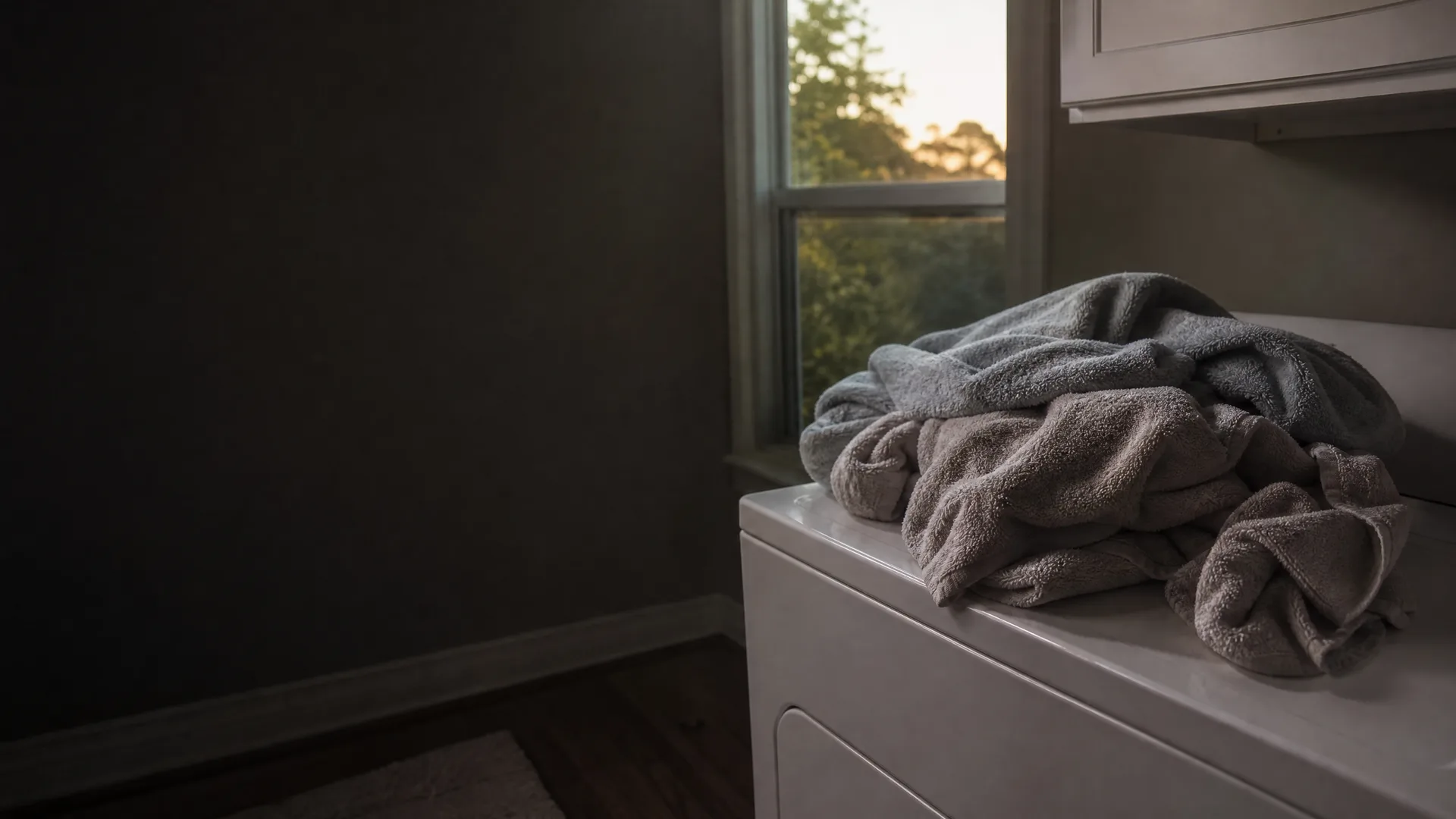
It's almost nine on a Tuesday and you're still in the laundry room. The second cycle on these towels just ended and they're warm but nowhere near dry, heavy and damp through when you pull them out. The room feels thick, the way it does most evenings once the Illinois humidity settles into the house for the summer. You start a third cycle and go back to the kitchen, figuring you'll deal with it later. The dryer hums along behind the closed door, and you already know you'll be back here before bed, checking the same stack of towels again.
Is this why your dryer runs twice for one load
You load the dryer after dinner expecting an hour, and it's still running after two cycles. The clothes come out warm, not dry, and you run them a third time. The outside hood near the vent only puffs air instead of pushing it. Lint shows up in odd places, on the floor behind the dryer, caked around the door seal, more than you remember from before. The laundry room holds heat and a damp, heavy smell long after the cycle ends. None of this is the dryer wearing out. It's air that can't get outside doing what it's built to do, and a vent that stays packed keeps pulling warm, wet air back through a drum full of clothes and gas burners that don't get to shut off when they should.


Your Dryer Is Telling You Something
- A dryer that takes two or three cycles to finish a load is almost always fighting a blocked vent line, not a broken machine.
- Clearing the line restores the strong, steady airflow a dryer needs to push moisture out instead of tumbling it back through the drum.
- In a state billing 17.67 cents per kilowatt-hour, cutting out those extra cycles is the fastest way to bring your dryer's draw back down.
- A local contractor who clears vent lines in Illinois homes all year knows the lint patterns long runs and tight hood fittings tend to leave behind.
- Your request goes to one licensed contractor matched to your situation, not a batch of companies competing for the job.
- Checking the outside hood while a load runs tells you in minutes whether the vent, not the dryer, is the problem.
A dryer that needs two or three tries to finish one load isn't wearing out. It's breathing through a line packed tight with lint, somewhere between the back of the machine and the outside wall. Once that path is clear, the heat the dryer puts out finally does its job, carrying moisture outside instead of circling back through a drum that's already damp. You felt this coming before you read a word of this page, standing in the laundry room wondering why towels that should've been done an hour ago are still warm and heavy. At 17.67 cents per kilowatt-hour, those repeat cycles aren't a small thing either. They're the easiest part of your bill to bring back down, because once the line runs clear, the dryer stops fighting itself and gets back to drying a load once.
What you do with this depends on what you found at the hood. If the airflow was weak or the flap barely moved, the next step isn't guessing at parts or replacing a dryer that's working fine. It's getting the line cleared by someone who does this work on Illinois homes all year and knows where lint tends to pack in tight, whether that's a long run to an exterior wall or a hood fitting that traps it at the joint. Your request goes to one licensed local contractor built for that, not a handful of companies chasing the same lead. You stay in one conversation, with someone who already knows what this kind of line looks like when it's been running long and hard.

A local pro for your dryer vent cleaning
Your request stays with one local pro.