

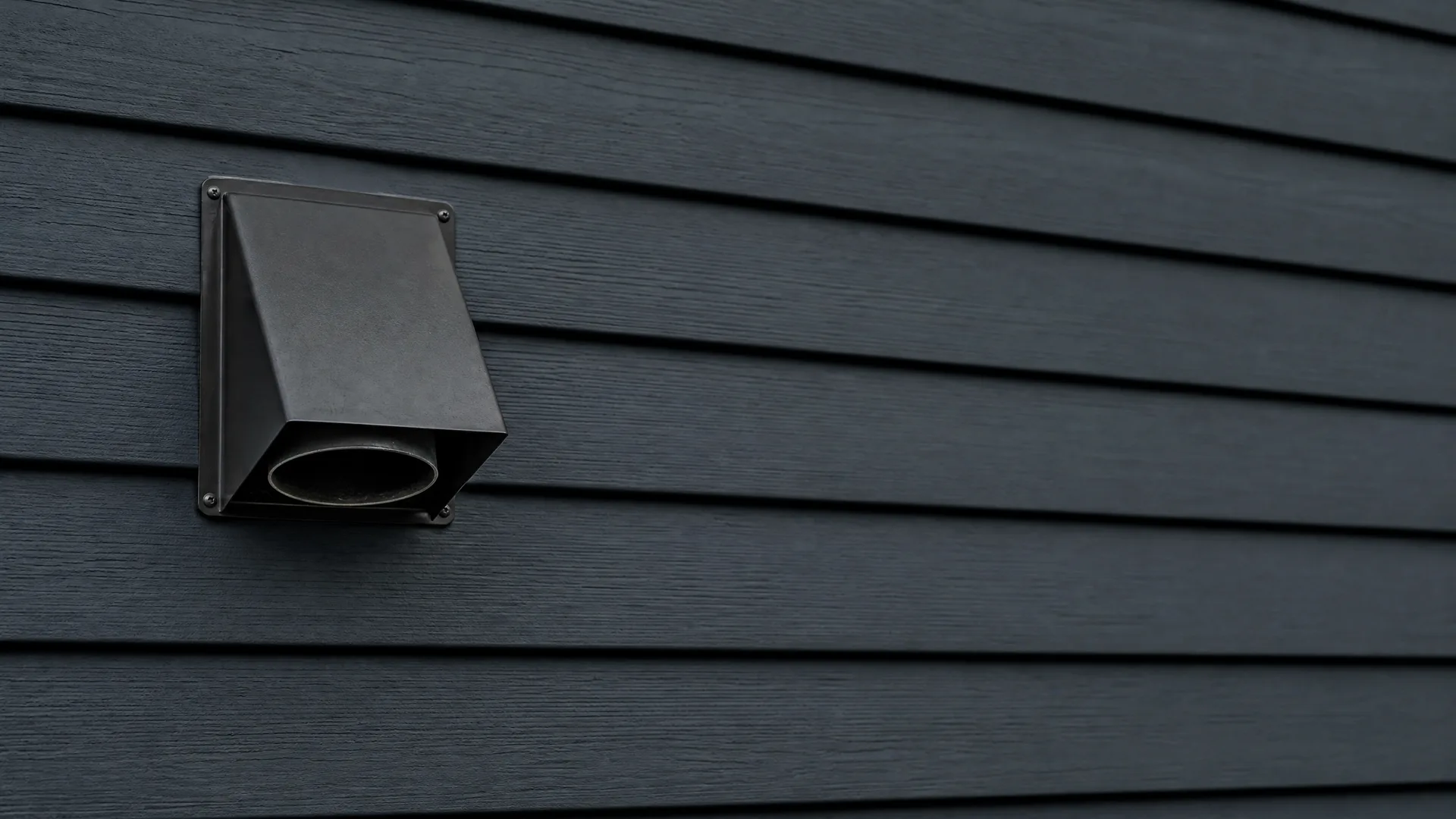
The hood working the way it should
The flapper sits closed until the dryer kicks on. Air pushes it open, the lint rides out, and it shuts again. Nothing gets in because there's nothing propping it open and no gap for a bird to use.
After this form, you can stop searching for a dryer vent pro.
Send my requestA bird in your dryer vent usually means a sparrow or starling built a nest right at the outside hood, where the flapper or screen is bent, missing, or propped open by built-up lint. Birds look for small, sheltered openings to nest in come spring, and a dryer vent that pushes out warm air is an easy pick, especially once one has already made a home there, since the smell draws in more. Once the nest blocks the vent, your dryer has nowhere to push the hot, damp air it needs to clear, so drying takes longer, the machine runs hotter than it should, and lint has nowhere to go but back into the duct. That buildup is a fire risk sitting right behind your wall. If you notice chirping near the vent, a smell when the dryer runs, or clothes coming out damp after a full cycle, the nest needs to come out and the vent hood needs a real screen or guard after, not just a quick clear.
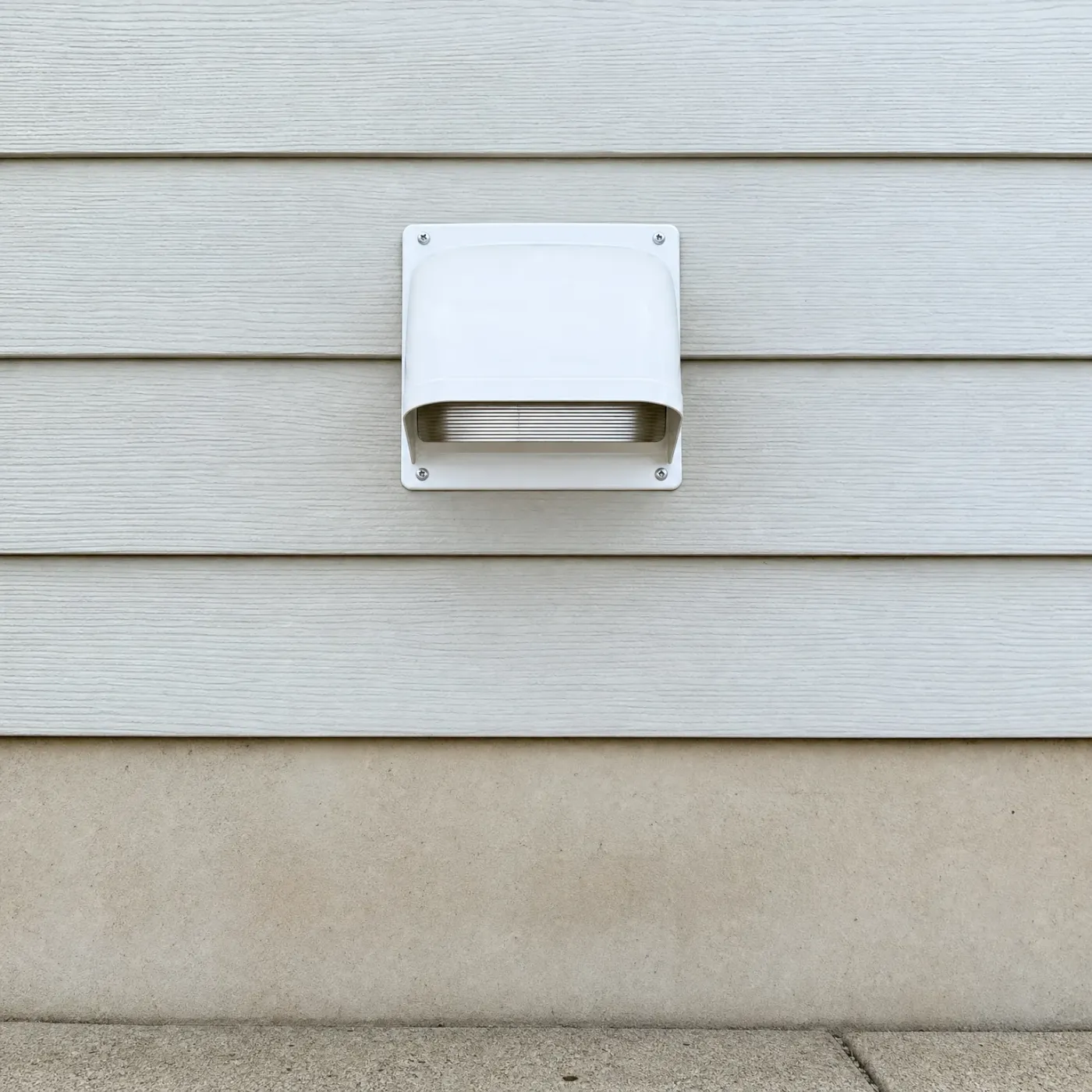
The flapper sits closed until the dryer kicks on. Air pushes it open, the lint rides out, and it shuts again. Nothing gets in because there's nothing propping it open and no gap for a bird to use.
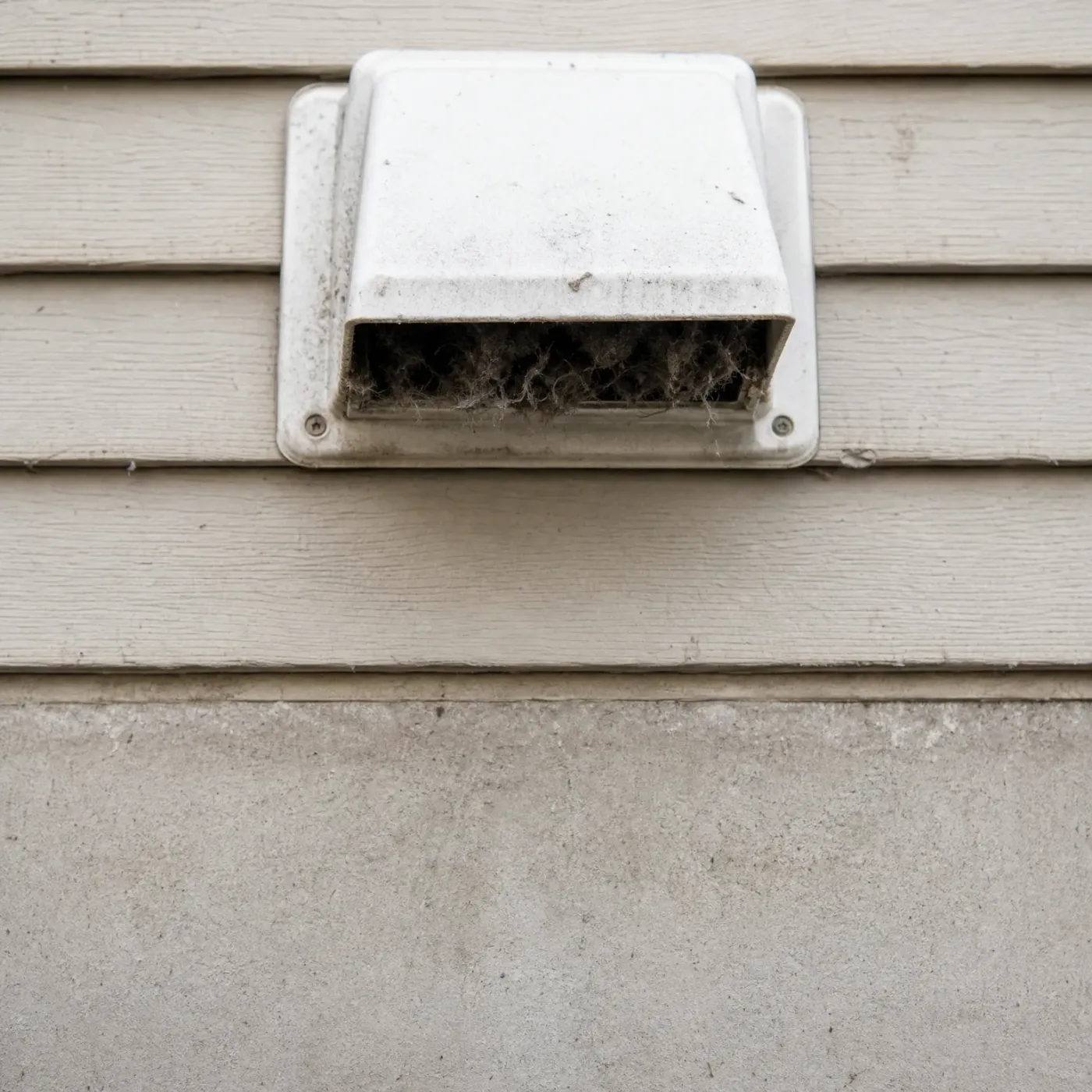
Lint has built up at the opening until the flapper can't close all the way. That gap is enough for a sparrow to get in and start a nest. Once that happens, the dryer is pushing hot moist air into a blocked vent instead of outside.
2.69 people per household on average
With 2.69 people in the average Lake County household, the dryer's likely running loads most days of the week, and a blocked vent makes every one of them run longer.
Half the homes here were built by 1983
Half the homes in Lake County went up in 1983 or earlier, and an older hood and duct run are more likely to have the gaps and worn flappers birds get into in the first place.
Power here costs 18.09 cents per kilowatt-hour
At 18.09 cents per kilowatt-hour, a dryer fighting a blocked vent to push air out isn't just slower, it's burning more expensive power to do it.
ACS 2020-2024 · EIA-861 2025

Sparrows and starlings start looking for nest sites as soon as the weather turns, and a dryer vent hood is a ready-made shelter: small, dark, and warm from the dryer's own exhaust. A flapper that hangs loose or a screen that's rusted through gives a bird exactly the gap it's looking for. Once nesting material packs in behind the hood, the vent is blocked whether the dryer is running or not.

Dryer exhaust carries lint the whole length of the duct, and it catches on nesting material the same way it catches on a bent or crushed section of pipe. A nest doesn't just sit at the hood, it gives loose lint something to grab onto, and the blockage builds further back into the vent than the bird ever reached. That's why clearing the hood alone doesn't always bring airflow back.




A nest in the vent does not clear itself, and every load after it builds pressure back into the duct and sometimes into the dryer. You can shine a flashlight up the hood and see feathers or lint packed solid, but knowing what is wrong does not get the hood apart, the duct run clear to the wall, and the flapper working again. That takes someone who does this for a living in Lake County, where a blocked vent in a cold month means a dryer running long in a house that is already paying a lot to heat. Finding that person usually means searching, calling a few numbers, describing the same nest and the same hood each time, then waiting on quotes to compare. Send the request once and that work is off your plate. The nest in your vent does not wait for a convenient week, and neither does the risk of it drying lint against a warm duct.
A dryer vent is just a straight shot for air until something sits in the way. Once a nest takes hold, usually right behind the hood or at the first bend in the duct, the airflow that used to carry lint straight outside has to find a way around twigs, grass, and feathers. Lint starts catching on that material instead of blowing clear, and the clog builds from there, load after load. The dryer doesn't know why the air isn't moving, only that it isn't. It senses the heat and moisture backing up and keeps running, trying to finish a cycle that should have ended ten or fifteen minutes earlier. That's also why some homes don't notice right away. If the nest only blocks part of the duct, enough air still gets through to dry clothes, just slower, for weeks before the problem becomes obvious. The real risk isn't the slow drying time. It's what collects behind a partial blockage. Lint is flammable on its own, and packed up against a nest, close to the dryer's heating element, with nowhere to vent, it's one of the more common ways dryer fires start. Clearing the nest once doesn't always end it either. Starlings in particular tend to come back to a hood they've used before, so a vent that gets cleaned in spring can end up with a new nest in the same spot the following year.
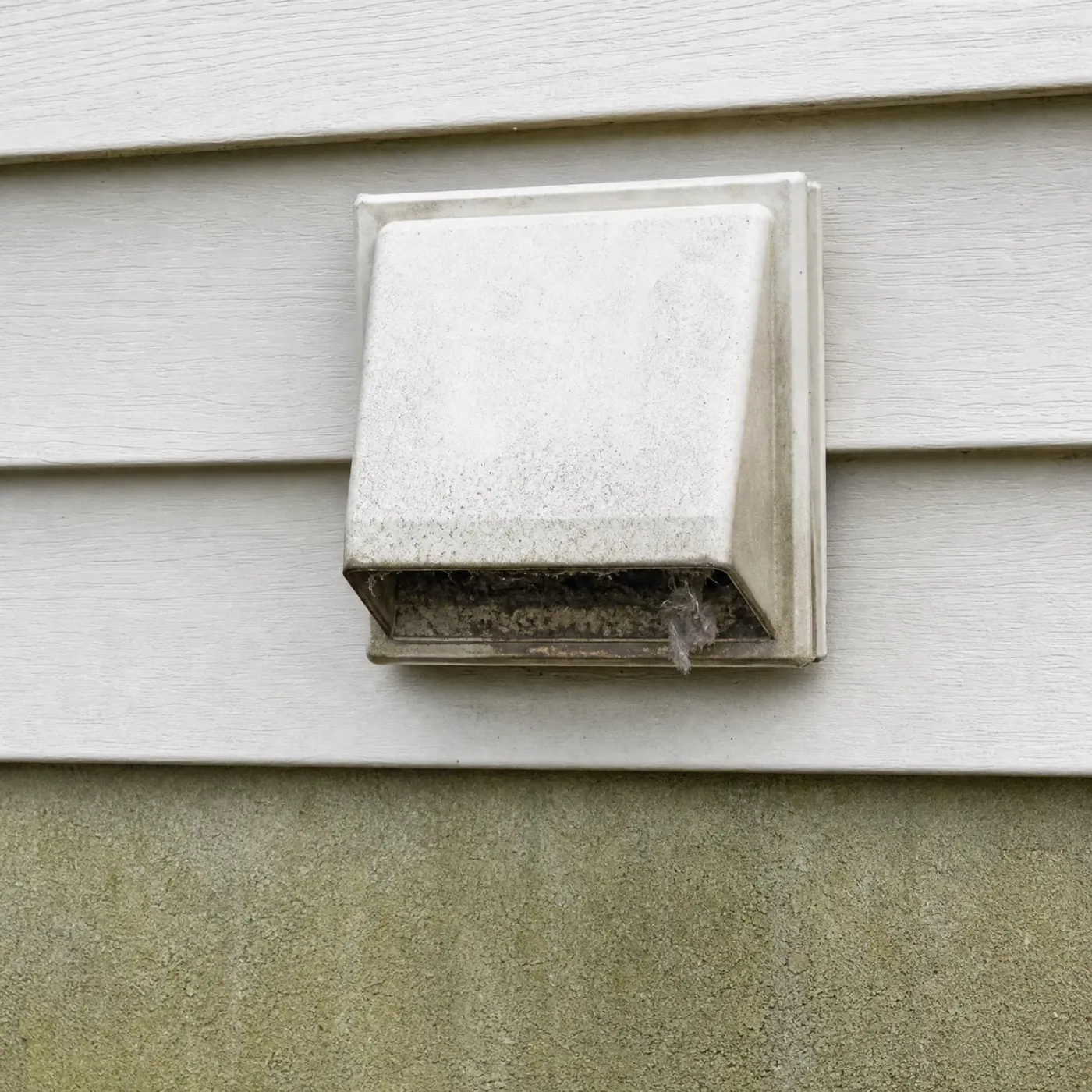
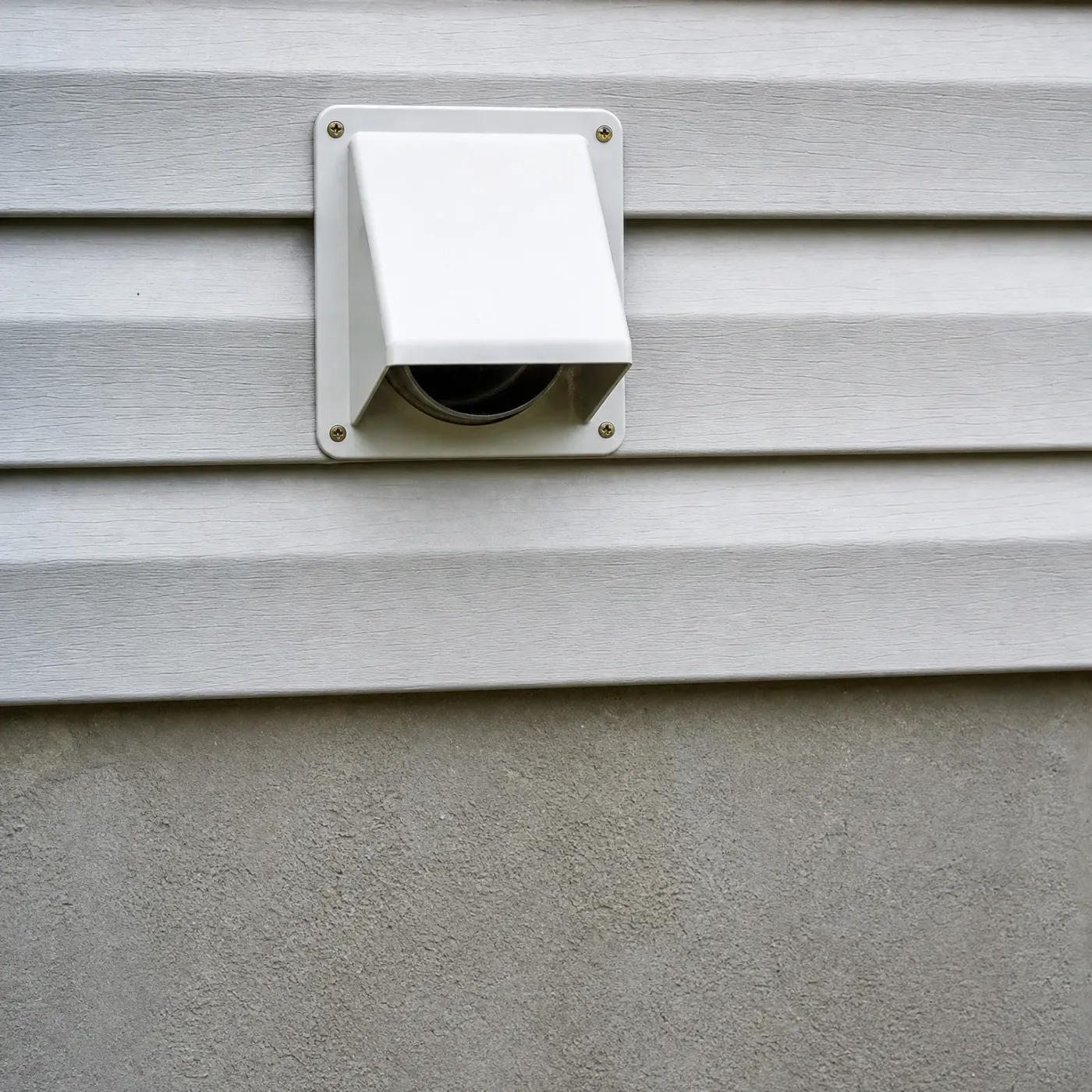
A nest packs the duct tight enough that heat and damp air have nowhere to go, so the dryer runs a second or third cycle on clothes that should already be dry.
Lint trapped against a nest has nowhere to vent and builds up against the dryer's heating element, right where it can't be seen until something goes wrong.


Wait until fall and clean it out once
By fall a season of nesting material has packed in behind the blockage, mixed with lint from every load you ran, and the duct needs a full clearing instead of a quick pull near the hood.
At 2.69 people, most Lake County households are running a load every day or two, not once a week. A nest that narrows the vent gets tested by the dryer constantly, so a blockage that might sit unnoticed in a lighter household shows up fast here in longer run times and a warm laundry room.
ACS 2020-2024
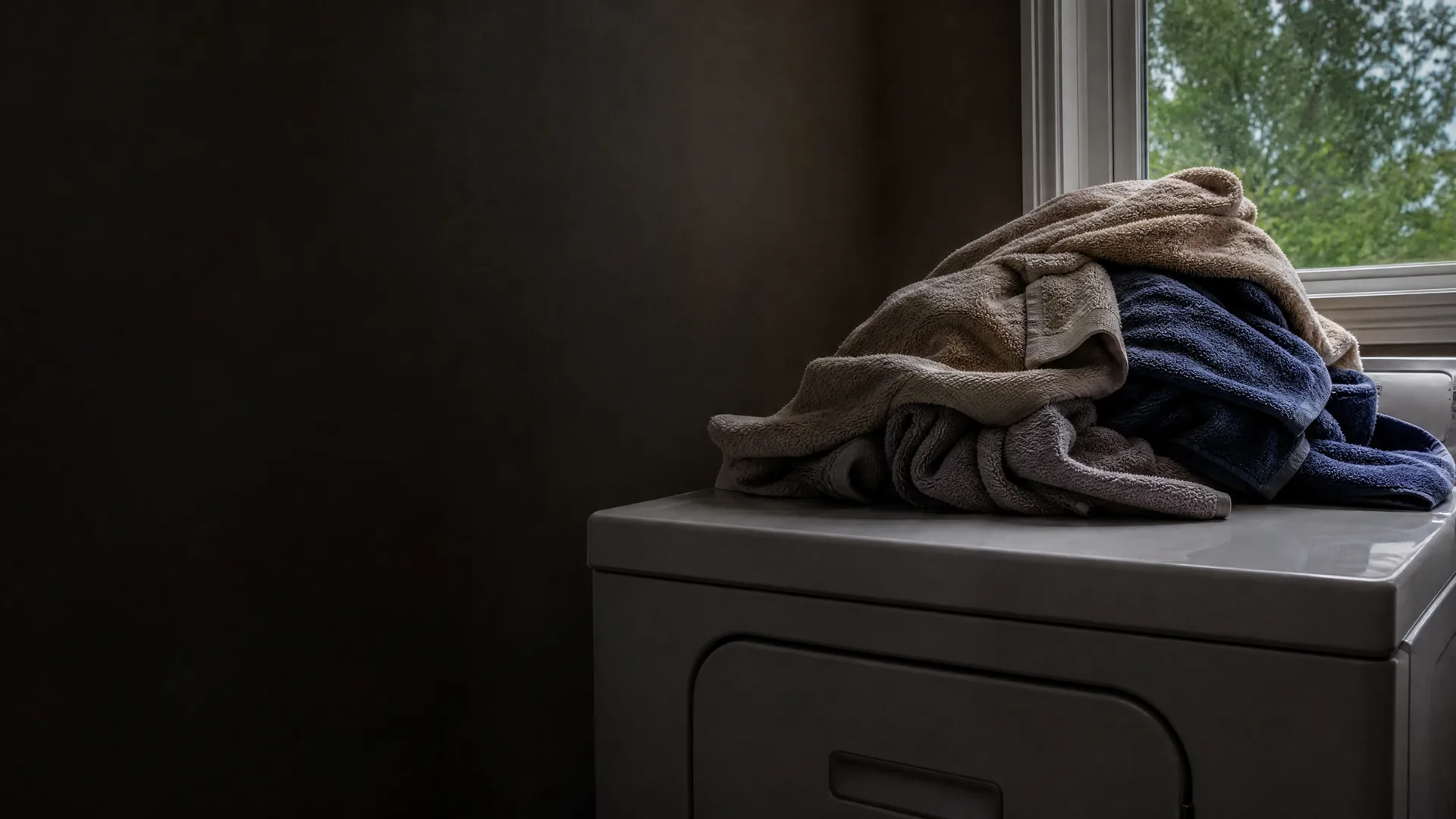
It's almost eight on a Tuesday and you're still not done with laundry. The dryer's been running since before dinner and the towels on top of it are still damp, cool to the touch, smelling faintly like the inside of the machine instead of clean. You open the door, feel the drum, it's barely warm. This is the third cycle for this load. Outside it's gone dark and you're not about to go check the vent hood in the cold. You just restart the dryer, turn the dial past the time you already used, and go back to whatever you were doing before, the towels still sitting there in a heap, waiting.

The dryer isn't broken. Something is blocking the path the exhaust needs, and the most likely cause, this time of year, is a nest built right at the outside hood. Clearing it means getting to that hood and often further up the duct, checking the flapper, and making sure nothing is packed in behind where you can't see it.
That's not a job you want to piece together on your own, calling around to find out who even handles dryer vents, explaining the same thing to three different people, then comparing quotes before you pick one. Send the form and that part is off your plate. Someone licensed for this work gets in touch, and you go back to running loads that actually dry.

Answer a few questions about the dryer vent cleaning and skip the search.