


Birds nesting in a dryer vent in Aurora, IL

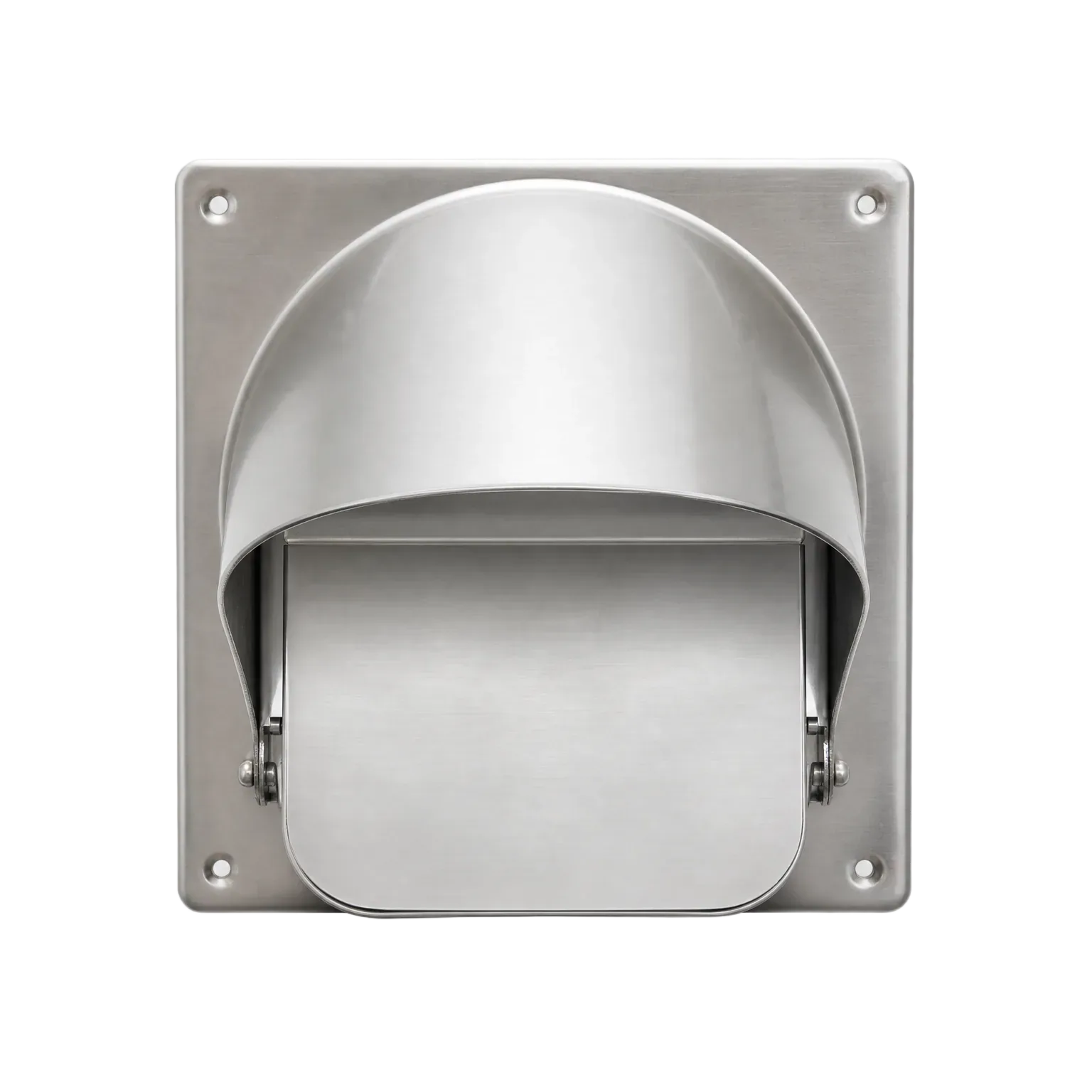
A stainless steel square wall vent with a curved hood and a hinged flap damper, shown straight on against a plain gray background.
Request a pro

A dryer vent that stops flowing right in spring often has a bird problem, not a lint problem. Birds in Aurora look for small, dark openings to build in during March and April, and a vent hood with a loose or missing flap is an easy pick. Once a nest is in there, the vent hood flap can't close, and the duct behind it narrows or blocks outright. Your dryer will run longer to dry the same load, and the air coming out may smell hot or carry a burnt smell instead of warm air. Some vents still push a little air around a nest and seem to work, which is worse, because lint keeps building against a blockage you can't see. A blocked dryer vent is a fire risk, and a nest packed with dry grass and feathers only adds fuel. This isn't something to clear with a vacuum hose from the laundry room. It needs eyes on the vent run and the outside hood, and the nest has to come out completely, not just pushed aside.

A woman with wavy brown hair sits on a beige couch with her eyes closed and a slight smile, a knit blanket over her lap and a closed dark-covered book resting on it, with a lit lamp and plant in the dim background.
A smiling man with dark wavy hair and a short beard, wearing a navy crewneck sweater, sits at a candlelit dinner table with a bowl of food, wine glass and a lamp and framed art behind him.

Why Birds Pick Your Vent

  • The vent hood flap is meant to open only when the dryer is running and close the rest of the time.
  • Birds get in when the flap hangs loose, is missing, or is held open by a weak spring.
  • Nesting material packed into the duct blocks exhaust air and forces lint to collect behind it instead of outside.
  • A dryer working against a blocked vent runs hotter and takes longer to dry each load.
  • Wet nesting material and trapped lint against a heat source is a fire risk inside the duct.
  • Clearing the duct and fixing or replacing the hood flap are two separate jobs that both need doing.

A dryer vent hood has one job besides letting air out: the flap on it stays shut when the dryer isn't running. That flap is the only thing standing between your duct and whatever's looking for a place to build a nest. In Aurora, that's usually March or April, when birds are hunting for small, dark, sheltered spots before trees have leaves. A vent hood sitting a few feet off the ground, out of the wind, with a flap that doesn't snap shut, reads to a bird like a ready-made cavity.

Once material is in there, it doesn't just sit at the opening. Twigs and grass get packed back into the duct itself, and that's where the real problem starts. Airflow that should be pushing straight out through the hood now has to fight past a blockage, so lint that would normally exhust with the air instead builds up against the nest. The dryer still runs, but it's working harder to push air through a narrower path, which means longer dry times and a hotter drum than the dryer was built to run at.

That combination, heat and packed lint and nesting material, sitting together inside a duct, is the part worth taking seriously. It's also why clearing the blockage out of the duct and fixing what let the bird in in the first place are two different repairs. Clean the duct without fixing the flap and the next bird gets the same opening.

How risky is a blocked vent for your house

  • 2.77 people per household on average

    Kane County households run 2.77 people on average, which means more loads through that vent most weeks, and less room for a nest to choke it off before someone notices the smell.

  • Half the homes here were built by 1985

    Half the homes in Kane County were built in 1985 or earlier. An older vent run is more likely to have the loose or sagging hood that gives birds an easy way in.

  • Power here costs 17.51 cents per kilowatt-hour

    Power here runs 17.51 cents per kilowatt-hour. A blocked vent makes an electric dryer run longer to dry the same load, and that extra run time shows up on the bill.

ACS 2020-2024 · EIA-861 2025

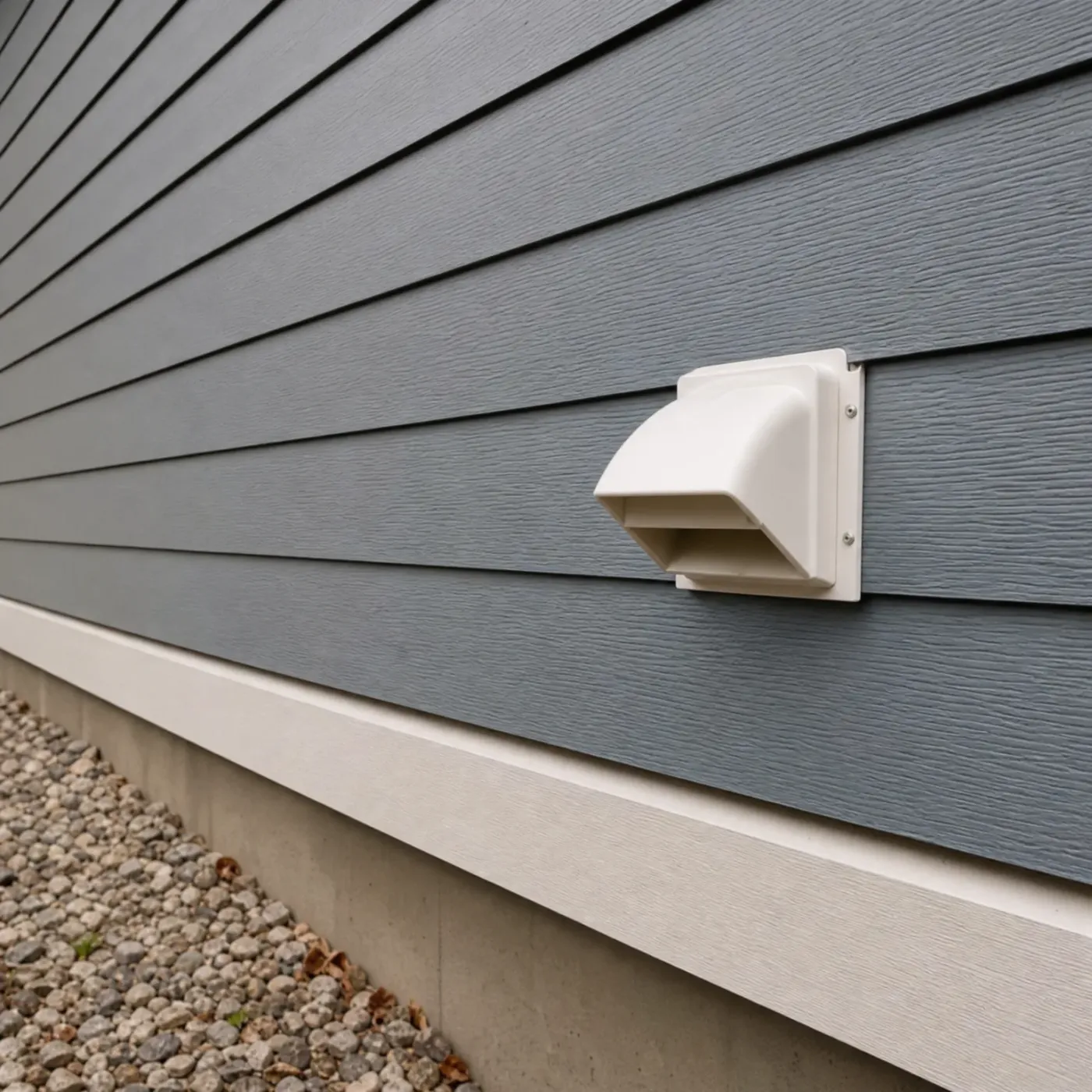
A white plastic hooded dryer vent with a screened opening mounted on gray horizontal lap siding above a concrete foundation and gravel bed.

Vent clear and flapping

This is what the hood should look like. The flap hangs loose and swings open when the dryer runs, then drops shut again. Air moves out in a steady, warm push and there's no nest material blocking the opening or packed into the duct behind it.


A white plastic dryer vent hood mounted on horizontal lap siding, clogged with gray lint at its lower opening, above a concrete foundation and walkway.

Vent clogged with lint

This hood is choked. Lint has built up thick enough to cover the opening, and the gray staining running down the siding and foundation shows it's been venting poorly for a while. A nest wedged behind that buildup would cut airflow even further.

A smiling bearded man in a dark long-sleeved shirt sits on a brown leather sofa in a living room, with a large glass bowl of popcorn on a table in the foreground and a houseplant and doorway behind him.
A smiling man with gray-streaked hair and a beard in a dark blue sweater reclines on a sofa in a living room with a lit wood stove, shelves, wicker baskets and a bowl of popcorn on a table.
A smiling bearded man in a dark plaid shirt sits on a green couch beside a cushion and a wooden bowl of popcorn, with a blurred kitchen and living area behind him.
A smiling bearded man in a dark green henley shirt sits on a gray couch in a living room with a bookshelf, lit lamp, houseplant and framed picture behind him, and a bowl of popcorn in the foreground.
A cream-colored hooded exterior vent mounted on gray horizontal lap siding above a concrete foundation edged with gravel.

Get your dryer vent to the right pro

Send the form and the dryer vent cleaning stops sitting on your list.

Your request goes to a Kane County pro who takes dryer vent jobs.

Get matched

It costs nothing to send, and you don't have to hire anyone.

Clear It Yourself or Call a Contractor

Clean it yourself

  • You can pull the nest material out of the hood opening by hand if it's within reach and the duct run is short.
  • A shop vac with a hose attachment reaches a few feet into the duct from the outside opening.
  • You won't know if material is packed further back in the run, especially if the duct bends or runs any real distance to the dryer.
  • Nesting material left inside the duct stays there and keeps blocking exhaust airflow even after you clear the opening.
  • A flap that's missing or bent out of shape needs replacing, not just clearing, or birds get back in next spring.

Have it cleaned

  • A contractor runs a brush or rotating cable the full length of the duct, not just the first few feet.
  • They can check the flap itself and tell you if it needs replacing versus just being stuck or weak-spring.
  • They'll confirm the duct is clear by checking airflow at the hood once the dryer's running again.
  • A full cleaning catches lint that built up around and under the nest before the blockage got bad.
  • They can spot other openings or gaps around the vent hood that let birds in to begin with.
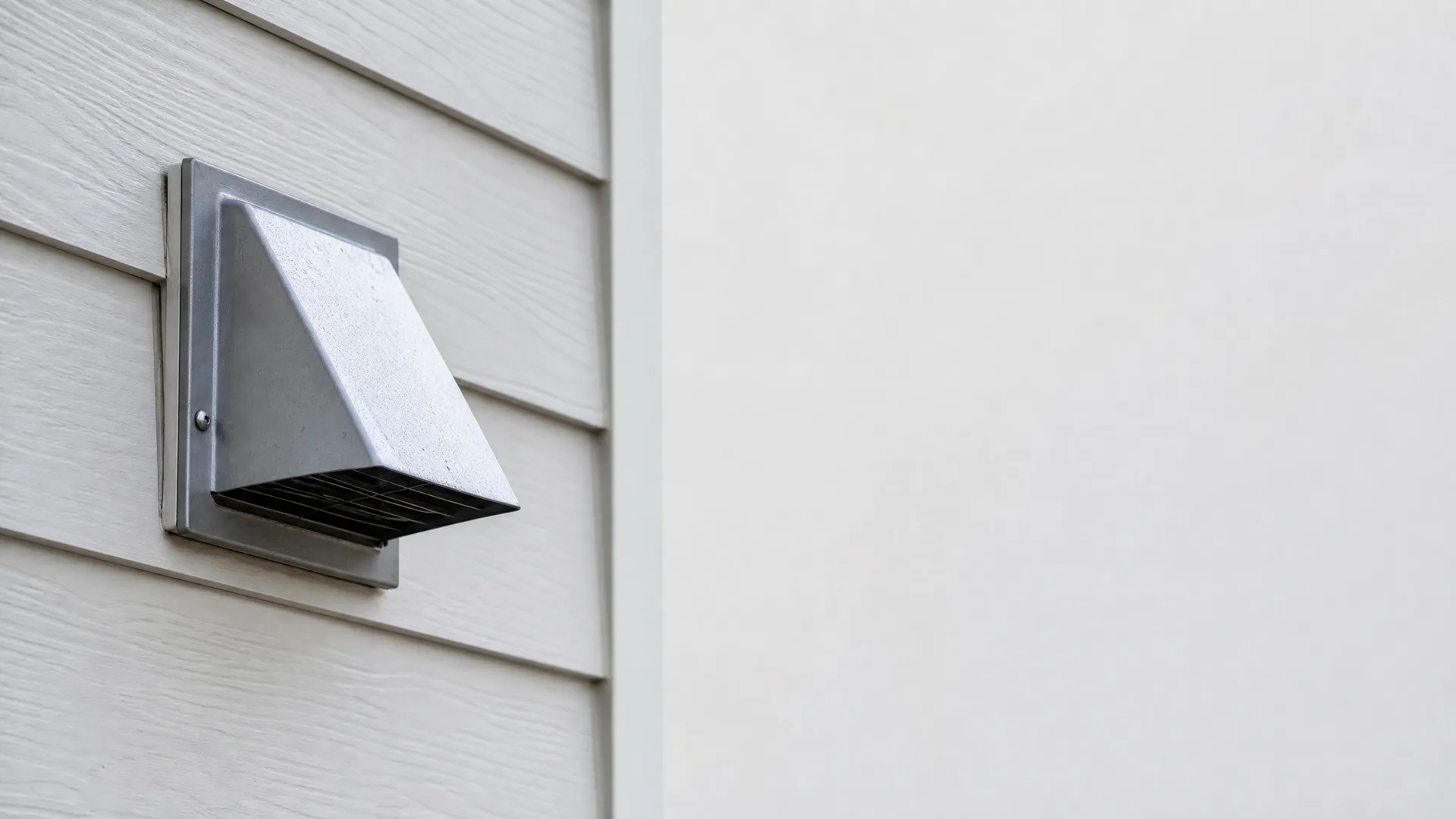
A metal hooded exterior vent cover with louvered underside mounted on light gray horizontal lap siding, next to a plain pale wall at an outside corner.

Why spring is nesting season

Birds pick nest sites in Aurora in March and April, before leaves fill the trees and while other cover is still thin. A dryer vent hood sits low on the wall, stays dry, and if the flap doesn't seal shut it looks like any other cavity a bird would use. By the time the dryer runs again in May, the nest is already built and the duct is already blocked.

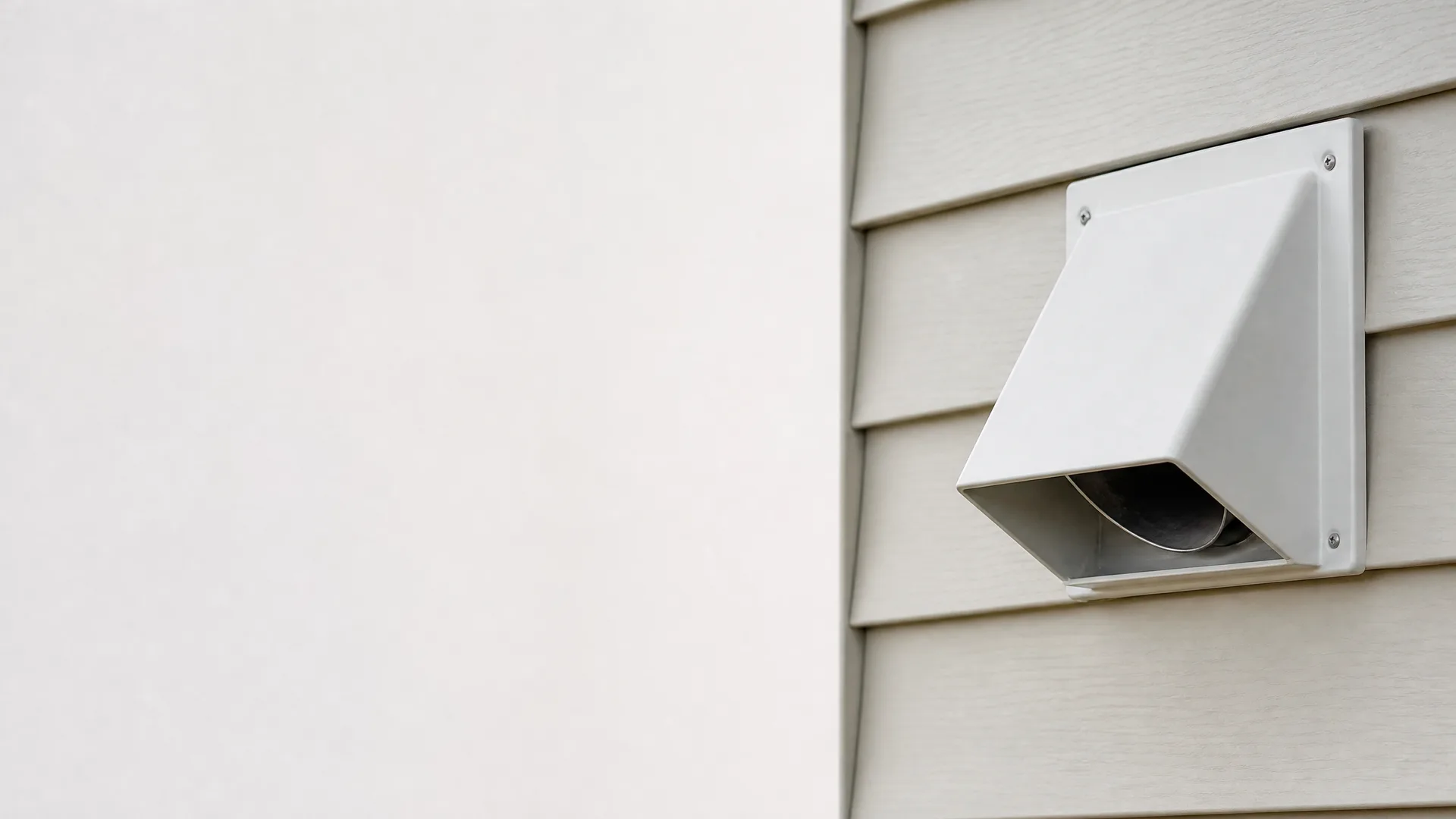
A white hooded dryer vent cover screwed to beige horizontal lap siding on an exterior wall corner, with a blank wall surface at left.

What a blocked duct does to the dryer

A dryer pushes hot, damp air out through the duct with every load. When a nest blocks that path, the air has nowhere to go but back toward the dryer, carrying lint and moisture with it. Lint that would normally exit the house starts collecting inside the duct and around the drum housing instead, and the dryer has to work longer to get clothes dry.

2.77 people per household on average

At 2.77 people, most houses in the county are running a load most days, not once a week. That keeps the vent warm and the flap moving, which is the one thing that keeps a bird from settling in. A house with fewer loads gives a nest more quiet time to take hold before anyone smells it.

ACS 2020-2024

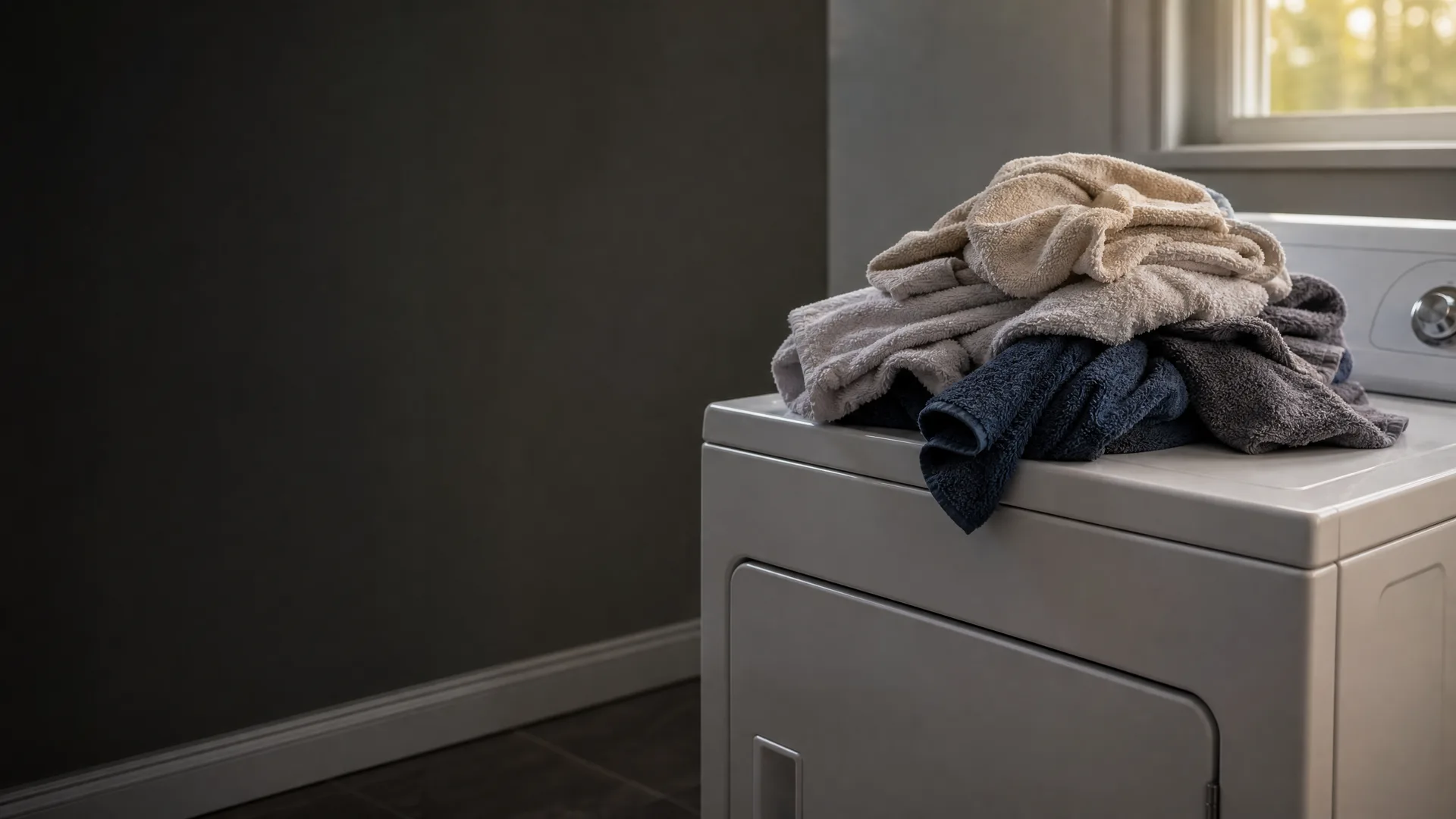
A pile of folded and rumpled towels in beige, gray, and navy sits on top of a white dryer in a room with a dark wall and a bright window.

It's almost nine on a Tuesday and you're the last one up. The dryer's been running since before dinner and the towels are still damp, so you open the door to check the lint trap. That's when you catch it, faint but there under the laundry smell: something musty, almost like straw. You crouch down and press a hand near the vent line behind the machine. Barely any warm air pushing back. You've run this load twice already. Out past the siding, the hood flap hasn't moved once tonight, and in the dark you can't tell why.

A smiling man in an olive T-shirt and jeans stands in an open front doorway holding the door, facing a person in a navy polo and cap seen from behind in the foreground, with horizontal wood-look siding and a potted white flowering plant nearby.

A blocked vent is a bird problem until someone checks it

A dryer that takes two cycles to dry a load of towels in Aurora this time of year has a vent that isn't moving air the way it should. Most often that comes down to the flap on the hood and what's built up behind it, not the dryer itself. Checking the hood from outside and the duct run behind it tells you which one it is.

A contractor who works on vents in Kane County can look at the hood, the flap, and the duct run and tell you what's actually in there before anything gets taken apart. Once you send the request, that part is off your plate. You'll hear from someone who handles this, and the nest, the flap, and the airflow become their problem to sort out, not yours.

A living room corner with a beige upholstered armchair holding navy and striped cushions, a small round wooden side table with a carved bowl and a potted green plant, a framed landscape picture on a pale wall, built-in shelving, and a curtained window.
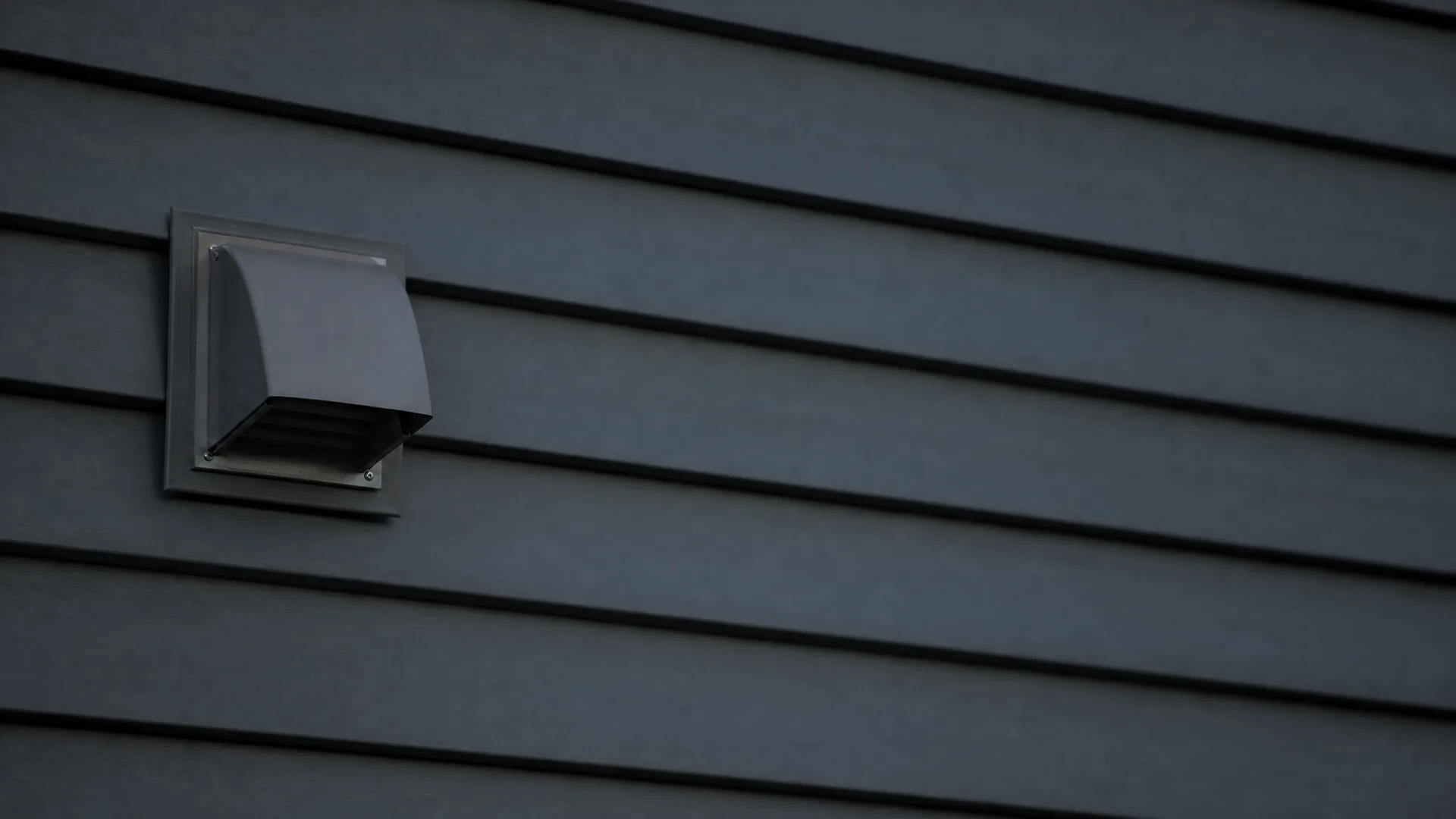
A hooded exterior vent with a louvered opening mounted on a dark grey horizontal lap-siding wall.

Find a dryer vent cleaning pro in Kane County

Send the request and finding a pro stops being your problem.

Duct and vent cleaningKane County, IL
Step 1 of 3

What kind of equipment?