The Short Answer on Vent Cleaning
- A dryer running two or three cycles to dry one load has a restricted vent, not a failing motor or heating element.
- Lint builds up fastest at bends and joints, so the length and shape of your vent run decides how quickly it clogs.
- A technician who works vents across Will County every week knows which joints and transitions in a typical run tend to clog first.
- Booking through this page connects you with one licensed local contractor, so you're not fielding calls from several companies at once.
- A clear vent gets a load dry in a single cycle every time, no matter how many people in the house are doing laundry.
- Checking the vent now settles the question instead of running another cycle and hoping it dries this time.
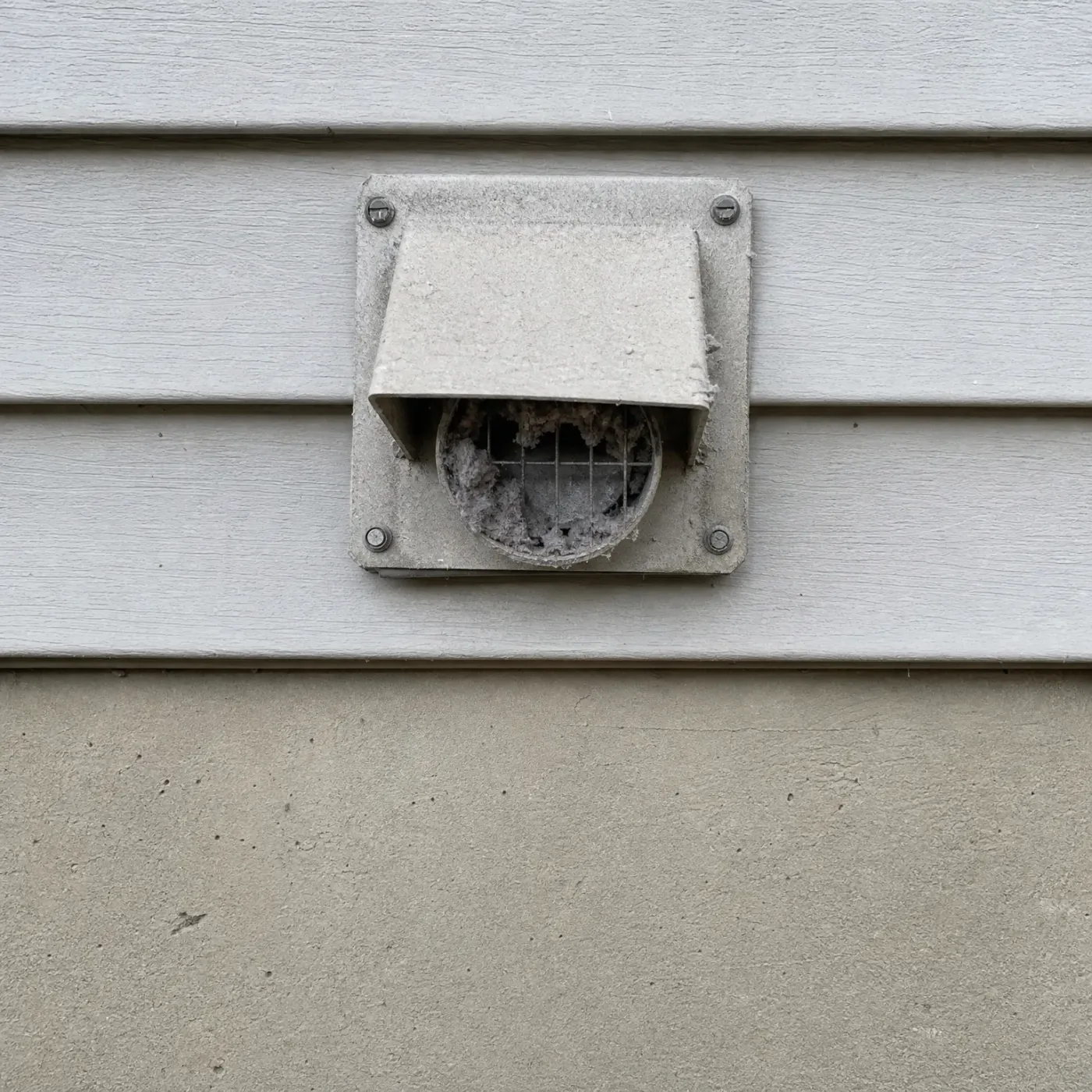
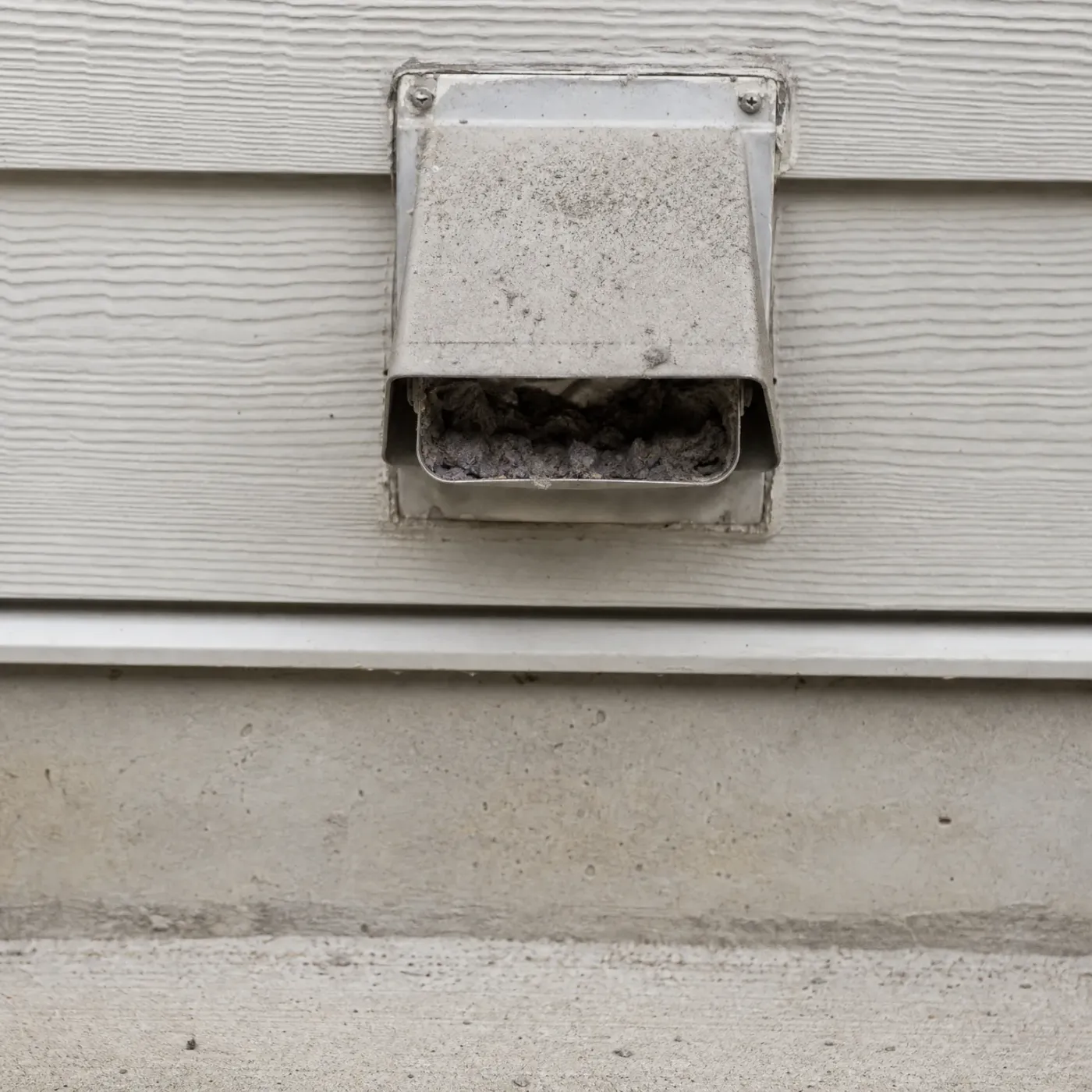
A dryer that needs two or three cycles to finish a load is telling you something about the vent, not the machine. Lint has built up somewhere along the run, usually at a bend or a joint where the airflow slows down, and it's holding back the warm air the dryer needs to push out. That's the whole problem, and it's a straightforward one to settle.
Settling it means someone looking at the actual run in your house, not a general vent. The length of that run, how many turns it takes, whether it goes through a wall or up through the roof, all of that decides where lint collects first and how bad it's gotten. A contractor who clears vents across Will County every week has seen enough of these runs to know where to check first and what a restricted one looks like before it's taken apart.
Booking through this page puts you in touch with one licensed local contractor, not a handful of companies competing for the job. You explain the problem once, to someone who's going to be the one doing the work, instead of repeating it on three separate calls and sorting through quotes afterward.
Once the vent is clear, the fix shows up immediately. A load goes in wet and comes out dry in one cycle, the same way it did when the vent was new. No second run, no third guess about whether this time will be different. That's the difference between a vent doing its job and one that's quietly working against the dryer every time you run it.