
HVAC Installation in Danville, IL
A new system here will heat from October through May and cool from June through September every year. Tell us about the house, and a licensed contractor who covers Vermilion County will get in touch.
Tell us about the job
It takes about a minute.
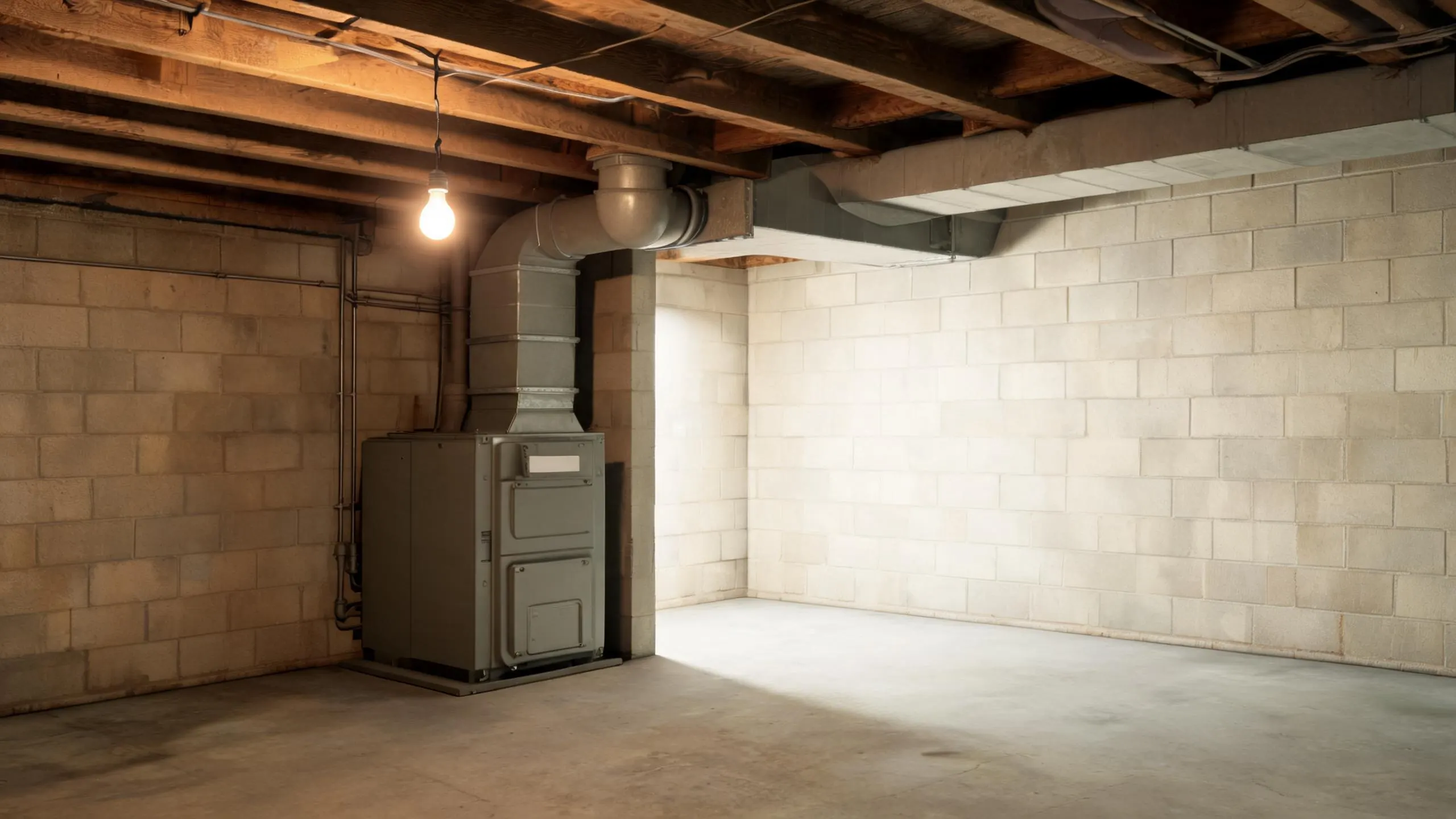
A system that works nearly the whole year
Danville homes need heat or cooling in every month of the year. Winter nights average 21°F from December through February, and summer afternoons reach 84°F. That is eight months of heating, October through May, and four months of cooling, June through September, with almost no break between them.
A new system here has to handle both ends of that range without much rest, and whatever you install has to meet the federal minimum efficiency rating for its type. 53.9% of homes in the area heat with gas. Vermilion County has also seen 7 winter storms and 163 damaging wind events over the past ten years, and 16% of Illinois households went at least 24 hours without power in 2024. Ask what happens to your heat when the power goes out, and get an answer before you decide.
- 8 months
- October through May, your system heats
- 4 months
- June through September, it cools
- 21°F
- the average winter night it heats against
- 84°F
- the average summer afternoon it cools against
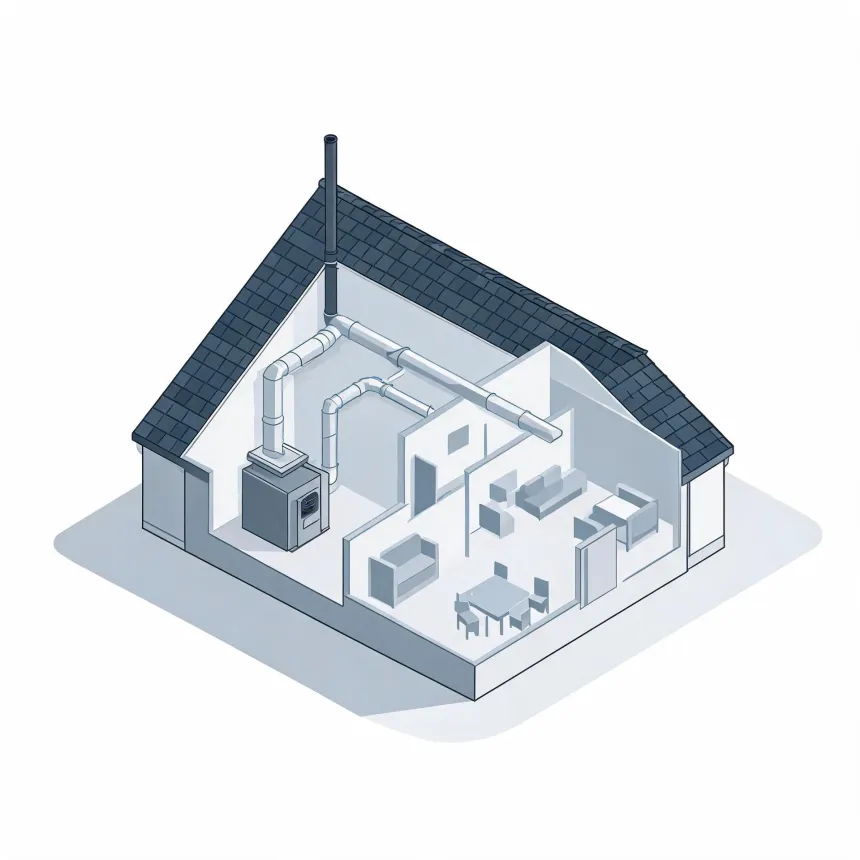
NOAA nClimDiv, 1991–2020 normals
In Illinois, HVAC licensing for homes is left to the cities and towns.
Illinois has no state HVAC license. The rule for this job depends on the town, since licensing here is left to cities and towns rather than set by the state. Some places register or license contractors on their own, others do not, and there is no state record or state test standing behind the work the way there would be in a state that licenses HVAC contractors.
For a heating and cooling installation, in most cities and counties this job needs a permit from the local building office, and the finished work gets an inspection when it is done. That permit and inspection are tied to the job site, not to a contractor's license, and they are what stands between this installation and no oversight at all.
Source: Illinois General Assembly
- When should I replace my HVAC system?
- Once your furnace or air conditioner is old and starting to need repairs, replacement is usually the better call. A unit that age is working harder to do the same job, and a breakdown during the winter, with lows averaging 21°F, is not something you want to gamble on. If a contractor has already been out more than once in the last year or two, that is a sign to start planning the replacement rather than waiting for the next call. Age plus rising repair visits together tell you more than either one alone.
- Should I replace my furnace and air conditioner at the same time?
- If both are original to the house and close in age, replacing them together makes sense. A furnace and AC installed at the same time were matched to work together, and replacing only one can leave the other running against equipment it was not sized for. Homes here need heat from October through May and cooling from June through September, so both systems get real use and wear at a similar pace. If one has already failed and the other is only a few years old, a contractor can tell you whether it makes sense to replace just the one.
- What happens during an HVAC installation?
- A contractor first removes the old furnace, air conditioner, or both, along with any parts that are being replaced, like the coil or the thermostat. The new equipment gets set in place, connected to the ductwork, refrigerant lines, gas line, and electrical, then checked for leaks and proper connections. Once everything is sealed up, the contractor fires up the system, checks refrigerant charge and airflow, and confirms the thermostat is talking to the equipment correctly. Before they leave, they should walk you through the new thermostat and answer any questions about how the system runs.