
Furnace Repair in Rockford, IL
Furnaces here run from October through May. If yours quits, tell us what it's doing and a licensed contractor who covers Winnebago County will get in touch.
Tell us about the job
It takes about a minute.
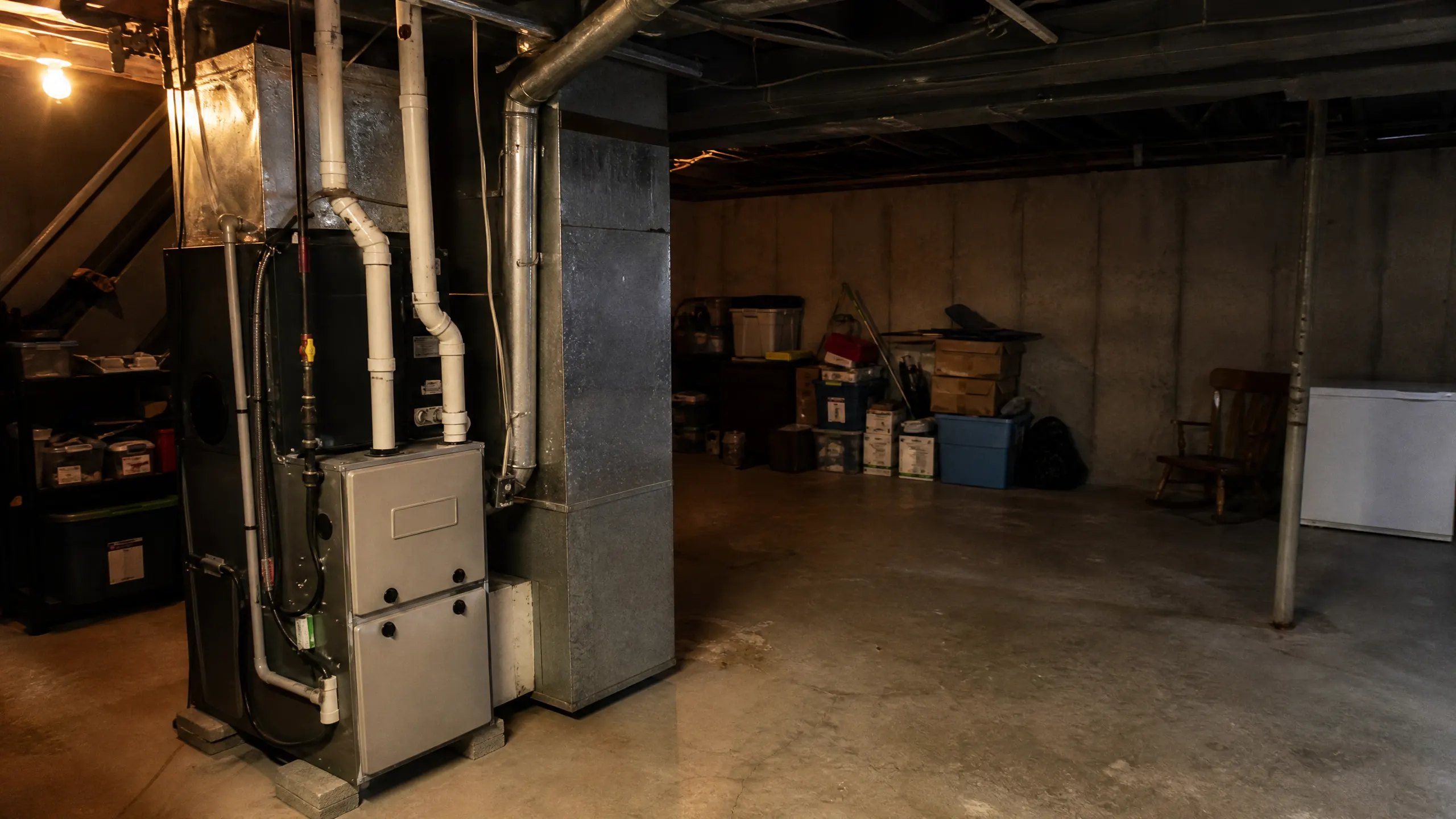
Eight months of Rockford winter puts real wear on a furnace
From October through May your furnace is what stands between you and a cold house. On nights that average 16°F, it can't rest long between cycles. The burner lights, runs, shuts off, and lights again, over and over through the night, and every one of those starts puts wear on the igniter.
Winnebago County has logged 19 winter storms and 131 damaging wind events over the past ten years, and statewide, 16% of households lost power for at least 24 hours in 2024. Most gas furnaces here won't restart on their own once power comes back, so after an outage you may need to relight it or reset it yourself. When a furnace won't fire on a night this cold, it's rarely one thing. It's the age of the igniter, the strain of a winter that never really lets up, and whatever the last power blip did to the system.
- 8 months
- October through May, your furnace is on duty
- 16°F
- the average winter night it heats against
- 84%
- of homes here heat with gas, so most furnaces here burn gas
- 19 winter storms
- in ten years, the nights a failure hurts most
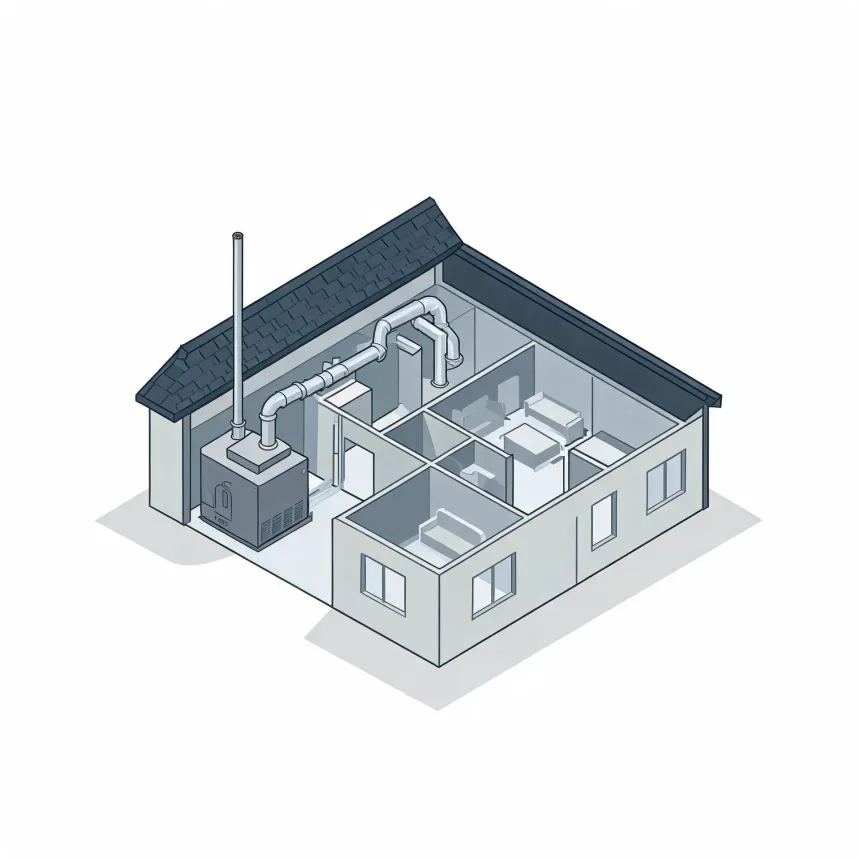
NOAA nClimDiv, 1991–2020 normals
A new furnace would cut about $150 a year off heating for a typical Winnebago County home.
Estimates for a typical Winnebago County home, compared with an older unit built to the previous federal minimum, from EIA household energy data, Illinois fuel prices and NOAA climate normals. Your home will differ.
Repair makes sense when one part has failed and the heat exchanger is sound.
Replacement makes sense when the heat exchanger is cracked or the furnace keeps needing parts.
In Illinois, HVAC licensing for homes is left to the cities and towns.
Winnebago County doesn't run its own contractor licensing program, so whether a license applies to your furnace repair depends on the city or township your home sits in. Rockford and other municipalities in the county set their own rules for who can do this work, and those rules stop at the city line. There's no statewide license behind the person coming to your house, and no state registry to check them against.
What protects you here comes from the gas work itself, not from a license. A furnace repair usually means someone is working on a gas connection, and a bad connection is the dangerous part of the job. In Winnebago County, 83.5% of homes heat with gas, so this kind of work is common here. Illinois has no state rule saying who checks that connection. Whatever oversight exists comes from wherever your city or township has set its own rule, not from the state.
Source: Illinois General Assembly
- Why won't my furnace turn on?
- Most often the thermostat isn't calling for heat the way you think it is, or power isn't reaching the furnace. Check that the thermostat is set below room temperature and has fresh batteries if it uses them. Next check the furnace switch, the one that looks like a light switch near the unit, and the breaker for it. If those are fine, the igniter may have failed or the flame sensor may be dirty, and that's a job for a contractor to check.
- Why is my furnace blowing cold air?
- A furnace blows cold air for a few seconds when it first starts, while it clears cool air out of the ducts before the burners kick in. If it keeps blowing cold well past that, the burners aren't lighting even though the blower is running. That can mean a bad igniter, a clogged filter starving the burners of air, or the gas supply isn't reaching them. Check the filter first, since a filter that's clogged can shut the furnace down before it even gets warm.
- Why won't my furnace pilot light stay lit?
- A pilot light that won't stay lit usually points to the thermocouple, the small part that senses the flame and keeps the gas valve open. If it's worn out or dirty, it tells the furnace no flame is present and shuts the gas off even though the pilot is burning. A draft blowing across the pilot or a dirty pilot orifice can also do it. Most furnaces built in the last couple decades don't use a standing pilot at all, so if yours does, a contractor can tell you whether the thermocouple needs cleaning or replacing.