
Furnace Repair in Ottawa, IL
Furnaces here run from October through May. If yours quits, tell us what it's doing and a licensed contractor who covers LaSalle County will get in touch.
Tell us about the job
It takes about a minute.
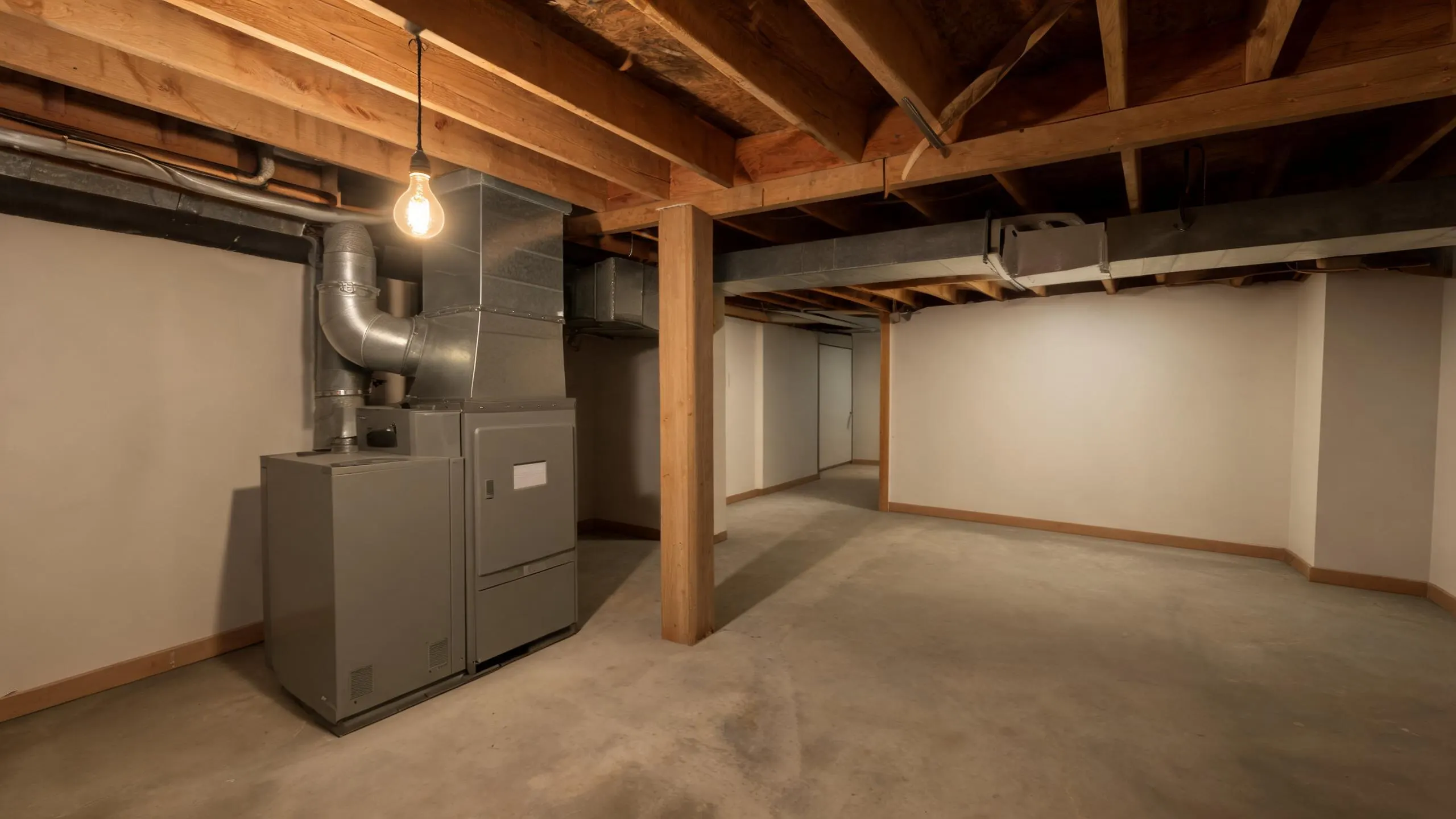
Eight months of heat puts real wear on your furnace
Your furnace in LaSalle County works from October through May, eight months of the year. On winter nights that average 19°F, it cycles on and off for hours to hold the temperature, and every start puts a load on the igniter and the burner. Over enough winters, that wear catches up, and the furnace either won't light or won't stay lit.
Most homes here heat with gas, so a furnace that won't start means no heat until someone fixes it. Power matters too. LaSalle County has seen 19 winter storms and 124 damaging wind events over the past ten years, and across Illinois, 16% of households lost power for at least 24 hours in 2024. A furnace needs power to run even when the gas is on, so an outage can leave a house cold right when it needs heat most.
- 8 months
- October through May, your furnace is on duty
- 19°F
- the average winter night it heats against
- 76%
- of homes here heat with gas, so most furnaces here burn gas
- 19 winter storms
- in ten years, the nights a failure hurts most
NOAA nClimDiv, 1991–2020 normals

A new furnace would cut about $140 a year off heating for a typical LaSalle County home.
Estimates for a typical LaSalle County home, compared with an older unit built to the previous federal minimum, from EIA household energy data, Illinois fuel prices and NOAA climate normals. Your home will differ.
Repair makes sense when one part has failed and the heat exchanger is sound.
Replacement makes sense when the heat exchanger is cracked or the furnace keeps needing parts.
In Illinois, HVAC licensing for homes is left to the cities and towns.
Illinois leaves this to the local building department, so what applies to a furnace repair in LaSalle County depends on the town. Some municipalities here license HVAC contractors and test them before they can do this work. Others have no licensing ordinance at all, and in those places nothing at the state or local level has checked the contractor's qualifications. There's no statewide list or credential to fall back on either way. The address decides it.
Gas furnace repair means gas line and combustion work, and that's the part where a bad connection is dangerous. Whether anyone outside the contractor checks that connection depends on the same town-by-town rule. In LaSalle County, 76.1% of homes heat with gas, so this is the repair most furnace calls here turn out to be.
Source: Illinois General Assembly
- Why won't my furnace turn on?
- Start with the thermostat. Check that it's set to heat and the temperature is above room temperature, and that the batteries aren't dead if it has any. If the thermostat looks right, check the furnace switch, the one that looks like a light switch near the unit, and make sure it's on. A tripped breaker or a furnace door that isn't latched shut will also stop it cold, since most furnaces have a safety switch that won't let them run with the panel open. If none of that gets it going, the igniter or a safety sensor inside may have failed, and that's a job for a contractor to diagnose.
- Why is my furnace blowing cold air?
- Most of the time this means the blower is running but the burners haven't lit. Check your air filter first. A filter clogged with dust can choke airflow enough that the furnace shuts the burners down to protect itself, while the fan keeps blowing. If the filter's clean, the igniter or flame sensor may be failing, which stops gas flow before it ever gets hot. A furnace that blows cold air steadily, not just for the minute or two it takes to warm up at the start of a cycle, needs a contractor to look at it.
- Why won't my furnace pilot light stay lit?
- This almost always comes down to the thermocouple, the small metal probe that sits in the pilot flame and tells the gas valve it's safe to stay open. When it wears out or gets coated in soot, it reads the flame as out even when it isn't, and shuts the gas off. A draft blowing across the pilot can also snuff it out on its own. If you relight it and it holds for a bit before going out again, that points to the thermocouple, and it's a part a contractor can replace. Keep in mind a furnace with a standing pilot like this doesn't need power to run, so it isn't affected by an outage the way a newer electronic-ignition furnace is.