
Furnace Installation in Peoria, IL
A new furnace here will run from October through May every year. Tell us about the house, and a licensed contractor who covers Peoria County will get in touch.
Tell us about the job
It takes about a minute.
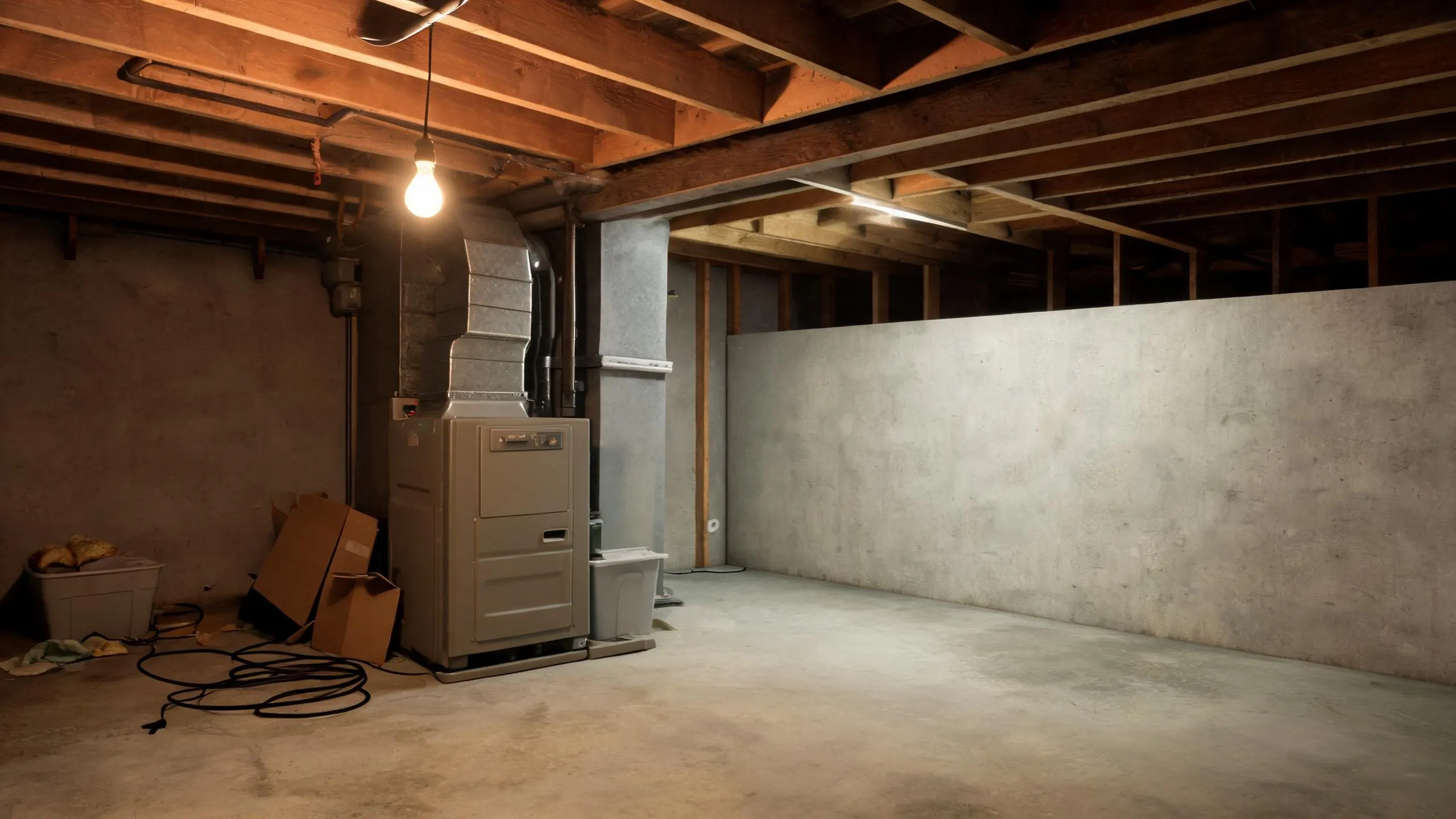
Eight months of heat in Peoria County
Furnaces here run October through May. That is 8 months a year, longer than most of the country, and on the coldest nights this furnace is holding the house against a 20°F average low. A new furnace has to be sized and installed for that full stretch, not just the deep cold snaps.
Most homes in Peoria County heat with gas, and any non-weatherized gas furnace built since November 2015 has to reach at least 80 percent AFUE by federal rule. That is the floor, not a feature. Power matters too. Illinois saw 16 percent of households lose power for 24 hours or more in 2024, and the region has logged 12 winter storms over the past ten years. A furnace that depends on electricity to start and run is only as reliable as the power behind it.
- 8 months
- October through May, your furnace is on duty
- 20°F
- the average winter night it heats against
- 68%
- of homes here heat with gas, so most furnaces here burn gas
- 80% AFUE
- the federal minimum any new unit must meet
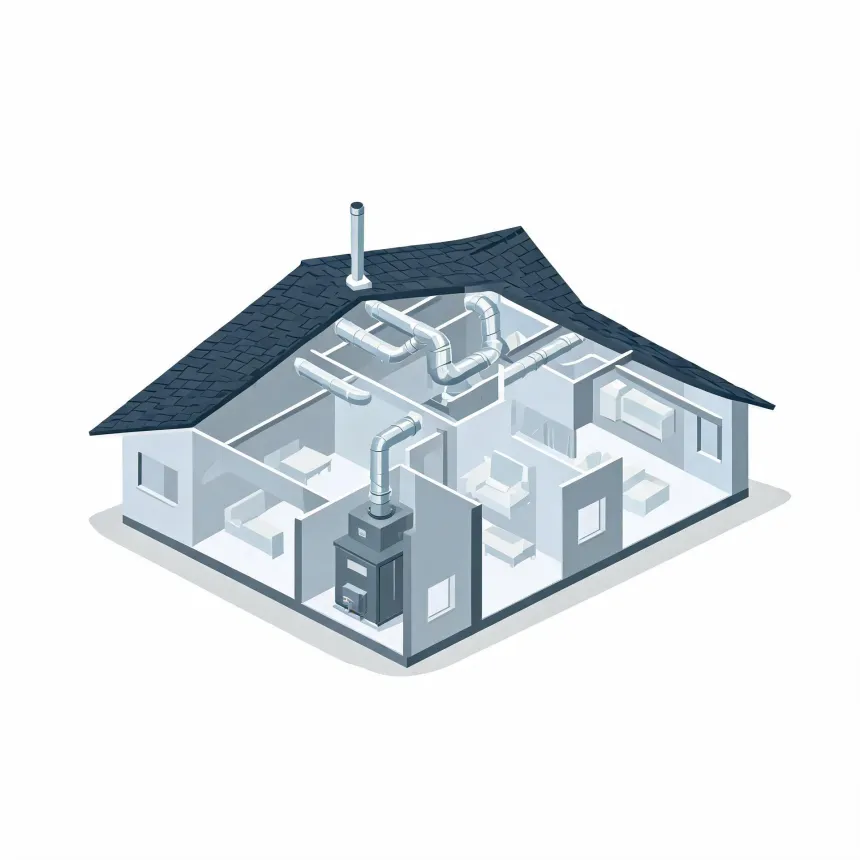
NOAA nClimDiv, 1991–2020 normals

A high-efficiency gas furnace would save about $120 a year to run in Peoria County compared with a gas furnace.
Estimates for a typical Peoria County home, from EIA household energy data, Illinois fuel prices and NOAA climate normals. Your home will differ.
In Illinois, HVAC licensing for homes is left to the cities and towns.
That means whether the person in your basement is licensed depends on whether Peoria County or the local municipality requires it, not on any state list. Illinois keeps no registry of HVAC contractors to check against.
For a furnace install here, the protection is the permit. Most cities and counties in Illinois require a permit for a furnace replacement and an inspection once it is done, and that inspection is what catches a bad gas connection or a venting mistake before it becomes dangerous. With 68.1% of homes in Peoria County heating with gas, that inspection is doing real work, not just paperwork.
Source: Illinois General Assembly
- What size furnace does my house need?
- That depends on your home's square footage, how well it's insulated, how many windows it has, and its layout, so there's no single number that fits every house. A contractor will figure this out with a load calculation, which looks at your home room by room rather than guessing from square footage alone. Getting this right matters more than most people think. A furnace that's too big will short cycle, heating your home in bursts and wearing out faster, while one that's too small will run constantly and still leave you cold on the worst nights.
- How do I know it's time to replace my furnace?
- A furnace that's getting old and breaking down more often is telling you something. A repair might get you through the season, but the next breakdown tends to come sooner than the last one did. Watch for rooms that heat unevenly, a furnace that cycles on and off more than it used to, or a gas bill that keeps climbing even though your habits haven't changed. Furnaces here run from October through May, so a system on its way out gets tested for eight months straight, and winter nights averaging 20°F don't leave much room for one that's struggling to keep up.
- Is a high-efficiency furnace worth it?
- It depends on how long you plan to stay in the house and what furnace you have now. Every non-weatherized gas furnace made since November 2015 has to hit at least 80 percent AFUE, so even a standard replacement today is more efficient than an older unit might be. A high-efficiency furnace goes beyond that minimum and wastes less gas as heat that goes out the flue, which matters most in a place where the furnace runs eight months a year. A contractor can walk you through the actual models and what each one would cost installed.