
Furnace Installation in Granite City, IL
A new furnace here will run from October through April every year. Tell us about the house, and a licensed contractor who covers Madison County will get in touch.
Tell us about the job
It takes about a minute.
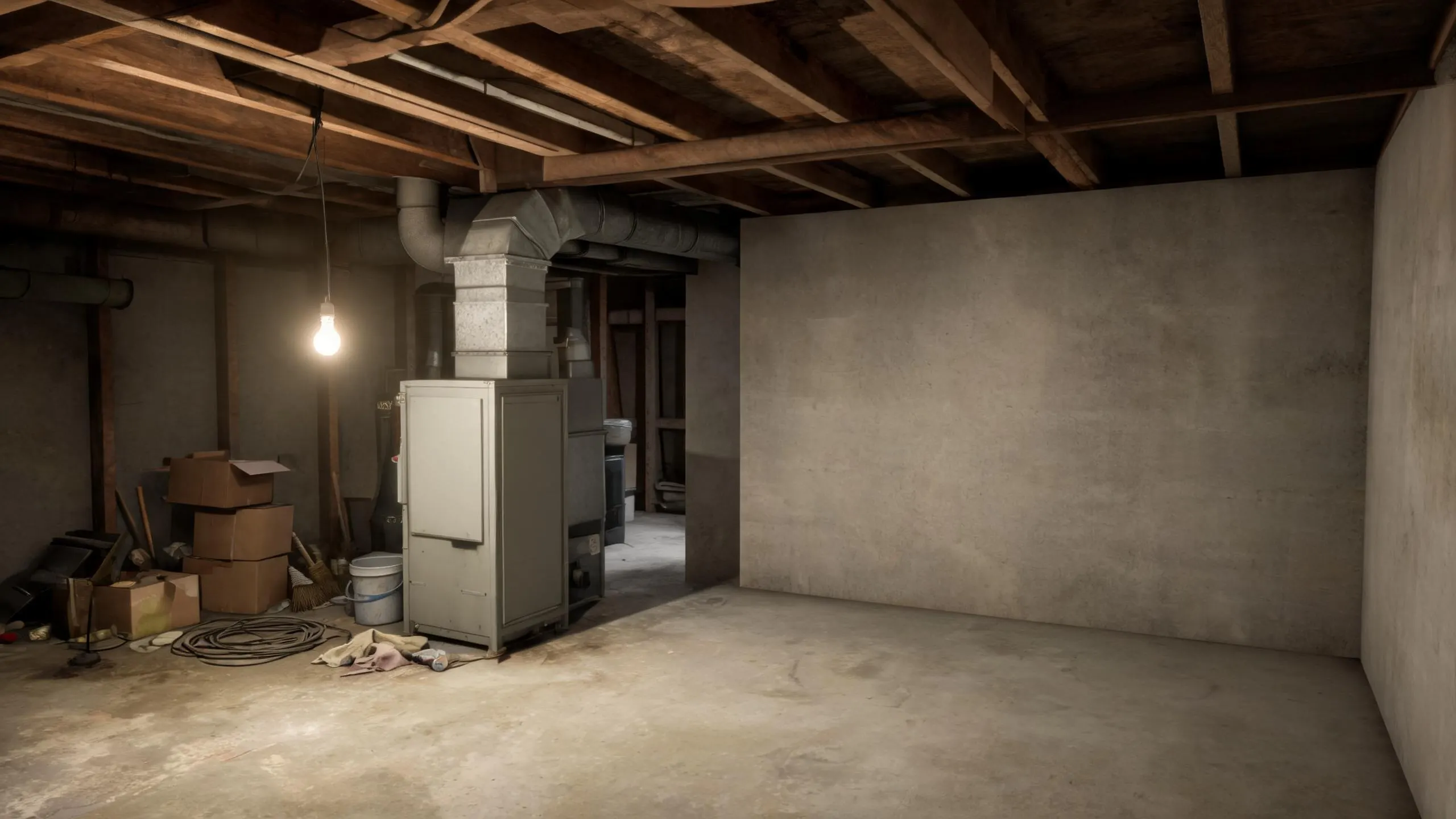
Seven months of heat, and winter nights near 25°F
Granite City needs a working furnace from October through April. That is seven months where a cold night can drop to 25°F on average, and a new furnace has to carry that load without much of a break. Most homes here heat with gas, so the furnace is doing work the rest of the house depends on all winter.
Madison County has seen 11 winter storms and 86 damaging wind events over the past ten years, and across Illinois 16% of households lost power for at least 24 hours in 2024. A new furnace should be sized and installed to hold up through that kind of season. If it burns gas and was built after November 19, 2015, federal rules already require it to run at 80.0 percent AFUE or higher.
- 7 months
- October through April, your furnace is on duty
- 25°F
- the average winter night it heats against
- 61%
- of homes here heat with gas, so most furnaces here burn gas
- 80% AFUE
- the federal minimum any new unit must meet
NOAA nClimDiv, 1991–2020 normals
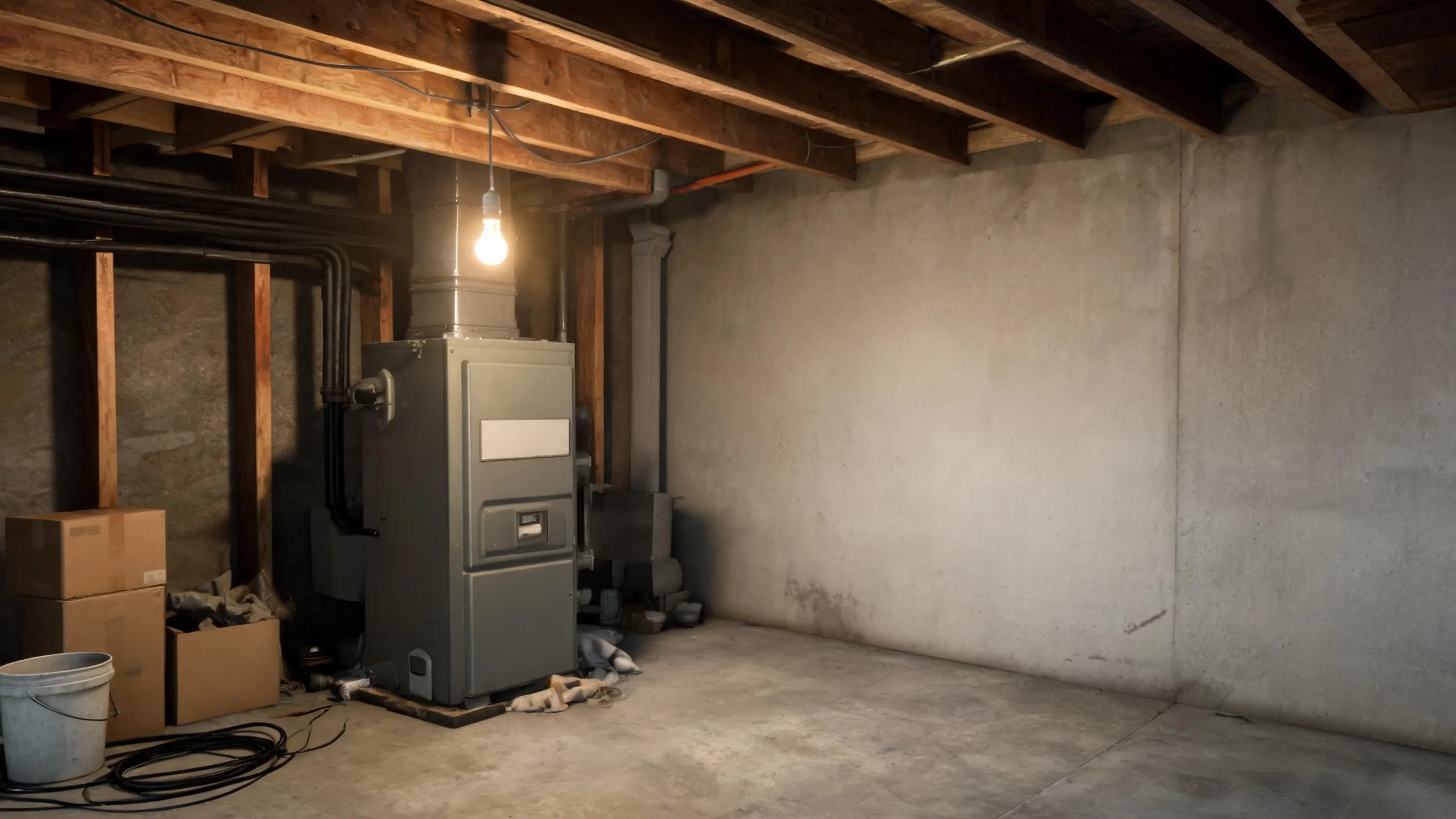
A high-efficiency gas furnace would save about $90 a year to run in Madison County compared with a gas furnace.
Estimates for a typical Madison County home, from EIA household energy data, Illinois fuel prices and NOAA climate normals. Your home will differ.
In Illinois, HVAC licensing for homes is left to the cities and towns.
Illinois leaves HVAC licensing to cities and towns, and that includes Madison County. There is no state license behind a furnace installer here, and no state exam or state record to point to. Whether a contractor is tested or registered at all depends on the city or town where the house sits, not on the county.
What stands between you and a bad furnace install here is the permit process. Most cities and counties in this area require a permit before a furnace goes in, and an inspection once the work is done, and that inspection is what catches a bad gas connection, the kind of mistake that makes a furnace dangerous rather than just broken. In Madison County, 60.7% of homes heat with gas, so that connection is the part of the job worth someone checking.
Source: Illinois General Assembly
- What size furnace does my house need?
- The right size comes from a load calculation, not a rule of thumb based on square footage. A contractor measures your insulation, windows, ceiling height, and how much wall faces outside, then runs those numbers to find the heat your house actually loses on a cold night. Here that matters more than in milder places, since winter lows average 25°F and the furnace has to keep up from October through April. A furnace that's too big cycles on and off and wears out faster. Too small, and it runs constantly without ever quite catching up.
- How do I know it's time to replace my furnace?
- If your furnace is old enough that repairs keep coming, or it can't hold the house at temperature anymore, it's time to start pricing a replacement. Listen for banging or grinding on startup, and watch for a burner flame that looks yellow instead of blue. Rooms that used to heat evenly and now don't are also a sign the furnace is losing ground. Heat is needed here from October through April, so a furnace that's struggling has to get through most of the year before it can rest.
- Is a high-efficiency furnace worth it?
- It depends on how long you plan to stay in the house and what you're replacing. Any non-weatherized gas furnace made since November 2015 already has to hit at least 80 percent AFUE, so the real choice is between that standard efficiency and a high-efficiency model in the mid-90s or higher. In a place where the furnace runs seven months a year, the difference in gas used adds up more than it would somewhere with a shorter heating season. A contractor can price both options for your house and let you weigh the difference against how long you'll own it.