
Dryer Vent Cleaning in Quincy, IL
Tell us about your home, and a licensed contractor who covers Adams County will get in touch.
Tell us about the job
It takes about a minute.

What Quincy winters do to a dryer vent
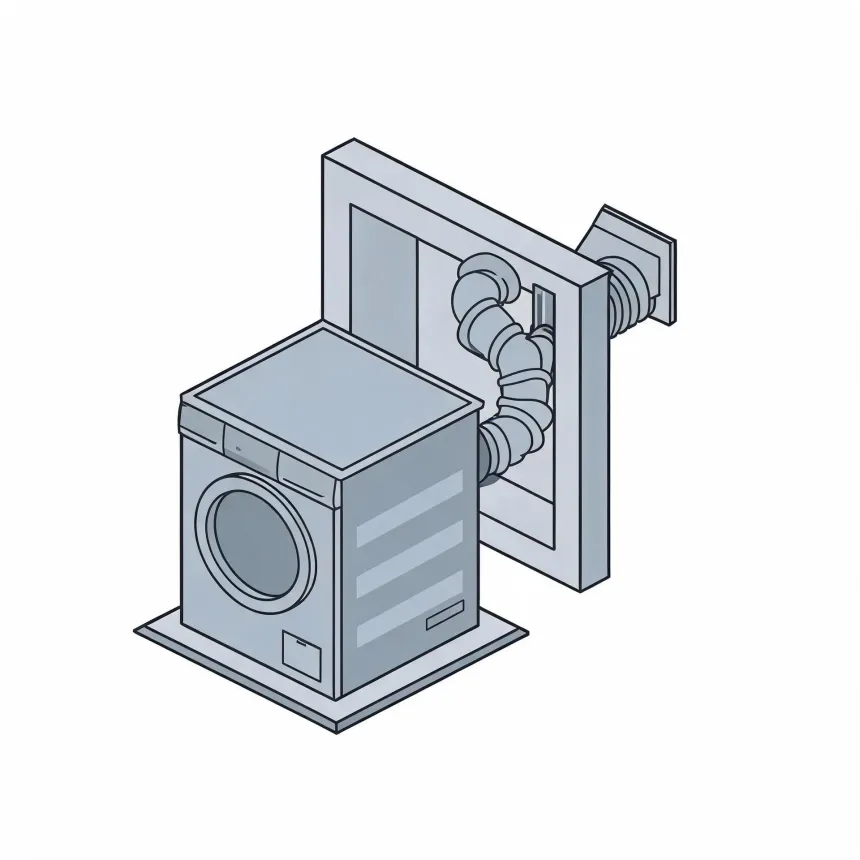
Your dryer pushes warm, damp air out through the vent every time it runs. Once that air hits the cold part of the run, in the vent hood or wherever the duct passes through an unheated space, it cools fast. The moisture in it condenses on the walls of the duct, and lint sticks to the wet surface instead of blowing outside with the rest of the exhaust.
With winter nights here averaging 22°F from December through February, and seven months of the year cold enough to need heat in the house, that vent spends a long stretch of the year working against cold metal or cold air on the other end. The lint layer builds where the duct is coldest, narrowing the path the air has to take out of the house.
- 22°F
- the average winter night, and cold vents catch damp lint
- 7 months
- October through April, the vent stays cold
NOAA nClimDiv, 1991–2020 normals
- How often should a dryer vent be cleaned?
- Once a year for most households. If you run the dryer more than most, for a large family or a home business, check it more often than that. Lint builds up inside the duct even when the lint trap is clean, and it collects fastest where the vent bends or runs long.
- Can I clean my dryer vent myself?
- You can handle the part you can reach, the lint trap and the first few feet of duct behind the dryer, with a vent brush kit. What you can't see is the rest of the run to the outside hood, and that's where lint tends to pack in. A contractor uses a brush and vacuum sized for the whole length and checks that the outside hood flap opens and closes the way it should.
- What are the signs of a clogged dryer vent?
- Clothes that take more than one cycle to dry, a dryer that runs hot to the touch, and a burning smell are the main ones. Lint at the outside vent hood, or a flap that won't open when the dryer runs, points to a blockage further down the line. A clogged vent also means the moisture from wet clothes has nowhere to go, so check for damp air or lint dust around the dryer itself.